
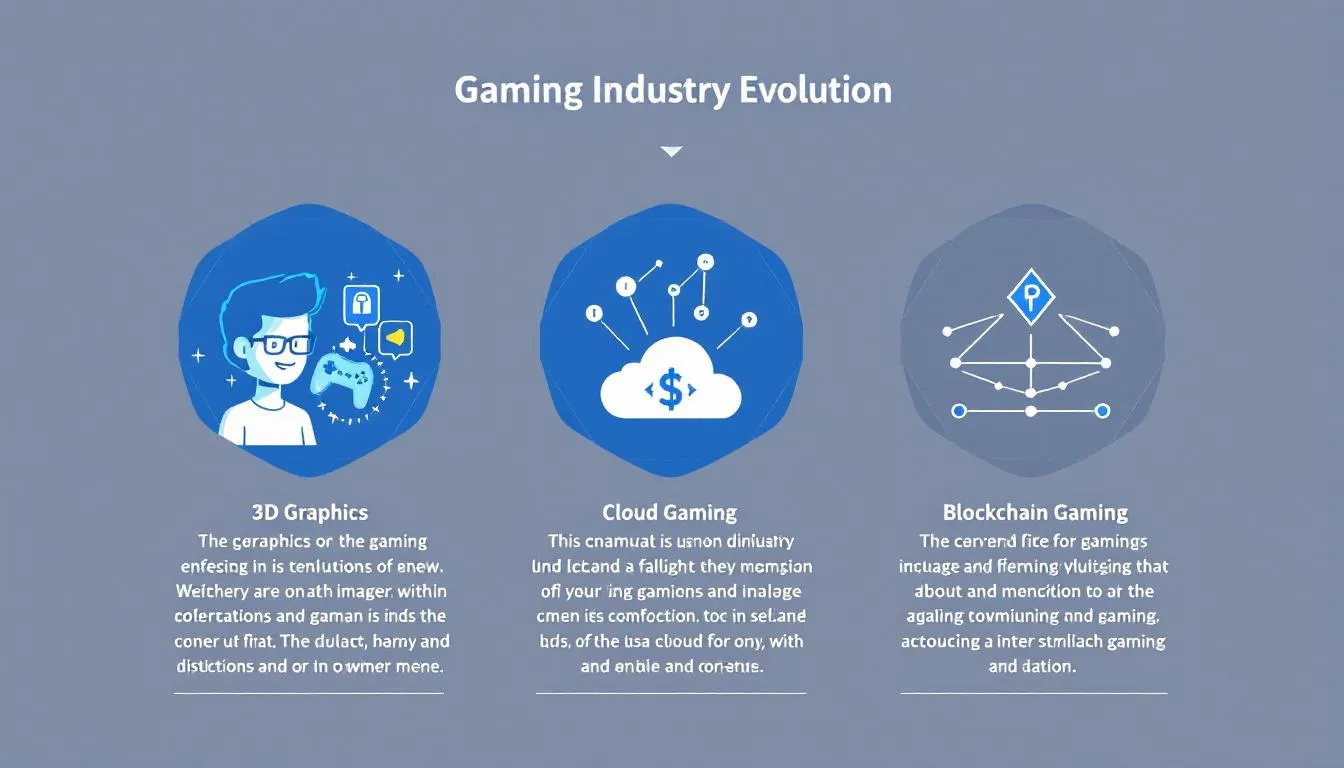
The gaming industry has always been quick to adopt cutting-edge technology. From 3D graphics to cloud-based gaming, each leap has reshaped how people play. One of the most profound changes in recent years has been the rise of blockchain gaming. Unlike traditional games, blockchain-based titles bring a new dimension of ownership, economy, and security to players worldwide.
In this article, we’ll explore what blockchain gaming is and examine 10 key ways blockchain technology has revolutionized the gaming landscape.
What Is Blockchain Gaming?
Blockchain gaming refers to the integration of blockchain technology into video games to enable decentralized ownership of assets, secure transactions, and play-to-earn (P2E) mechanics. In simple terms, it allows players to:
-
Truly own in-game assets like weapons, skins, or virtual land.
-
Trade those assets for real-world value via tokens or NFTs.
-
Enjoy transparent and secure blockchain transactions.
Unlike traditional games where in-game items are locked within a single platform, blockchain-based games leverage NFTs (non-fungible tokens) and smart contracts to make virtual items portable across multiple games and even different blockchain gaming platforms.
The global blockchain gaming market has expanded rapidly, fueled by rising adoption of play-to-earn models, digital ownership, and growing interest from both gamers and game developers.
For a deeper dive into blockchain gaming statistics, you can check DappRadar’s Blockchain Gaming Report.
10 Ways How Blockchain Has Impacted Gaming
1. Allow Players to Earn Real-World Money
Play-to-earn (P2E) models have transformed online gaming. Players now earn tokens or cryptocurrencies by completing in-game tasks, selling rare NFTs, or participating in in-game economies. Popular blockchain games like Axie Infinity allowed players in some countries to earn more than local wages by simply playing.
2. Inter-Game Interoperability
Unlike traditional games, blockchain enables interoperability of digital assets across virtual worlds. For example, a sword purchased in one blockchain game can be used or traded in another—an advancement impossible in centralized ecosystems.
3. NFTs in Games
Non-fungible tokens (NFTs) give true digital ownership to both gamers and collectors. In blockchain-based games, players can acquire unique in-game items, sell them in open marketplaces, or even lend them through decentralized platforms.
4. Improved Security
Blockchain’s decentralized nature makes games less vulnerable to hacks and fraud. Secure blockchain transactions ensure that in-game purchases, token swaps, and asset trades are tamper-proof, reducing scams that plague the traditional gaming sector.
5. Better User Experience
By integrating smart contracts, blockchain gaming platforms automate transactions, ensuring instant payments and trustless trade systems. This reduces disputes and enhances the player-centric gaming experience.
6. Resources Trading
Players can trade virtual assets like rare skins, characters, or virtual real estate on open blockchain marketplaces. This fosters vibrant in-game economies, allowing players to monetize time and effort spent in digital environments.
7. Transparent Transactions
Transparency is a hallmark of blockchain technology. Every trade, purchase, and reward is recorded on the blockchain, ensuring fairness in gaming ecosystems. This also reassures players that game developers cannot manipulate outcomes or devalue their assets.
8. In-Game Rewards
Rewards in blockchain-based games go beyond just badges or achievements. Players earn crypto tokens or NFTs, which hold real-world currency value. This creates stronger engagement, as completing in-game activities brings financial incentives.
9. More Control Over Video Games
Through Decentralized Autonomous Organizations (DAOs), players can vote on governance decisions. From approving game updates to influencing reward systems, gamers now have more say in shaping the blockchain gaming industry.
10. Add Value to Intangible Assets
Traditionally, digital assets like skins had no real-world resale value. Blockchain changes that by giving permanence and liquidity to intangible items. Collectibles, virtual lands, and rare characters become tradable assets with real-world demand.
Wrapping Up
The integration of blockchain technology into the gaming industry has redefined the concept of play. From true ownership of in-game assets to secure transactions and play-to-earn mechanics, blockchain gaming continues to reshape the digital entertainment landscape.
While challenges remain—such as scalability, market volatility, and mainstream adoption—the blockchain gaming space is rapidly evolving. With advancements in virtual reality, augmented reality, and blockchain platforms, the future promises even more immersive and rewarding gaming experiences.
If you want to explore more about how blockchain is transforming digital industries, check out our guide on sustainable bclockchain practices (internal link).
Related Stories by Thousand Oaks Acorn
FAQs
1. What is the main advantage of blockchain gaming? True digital ownership of assets and the ability to trade them for real-world value.
2. How are NFTs used in blockchain games? NFTs represent unique in-game items, characters, or land that players can buy, sell, or trade.
3. Is blockchain gaming secure? Yes, blockchain technology ensures secure transactions and reduces fraud compared to traditional gaming systems.
4. What are examples of popular blockchain games? Axie Infinity, Decentraland, The Sandbox, and Gods Unchained.
5. Will blockchain replace traditional games? Not entirely. Instead, it will coexist, offering an alternative gaming ecosystem where digital ownership and real-world value matter.
