
AI in Education: Transforming Classrooms for Every Learner’s Success
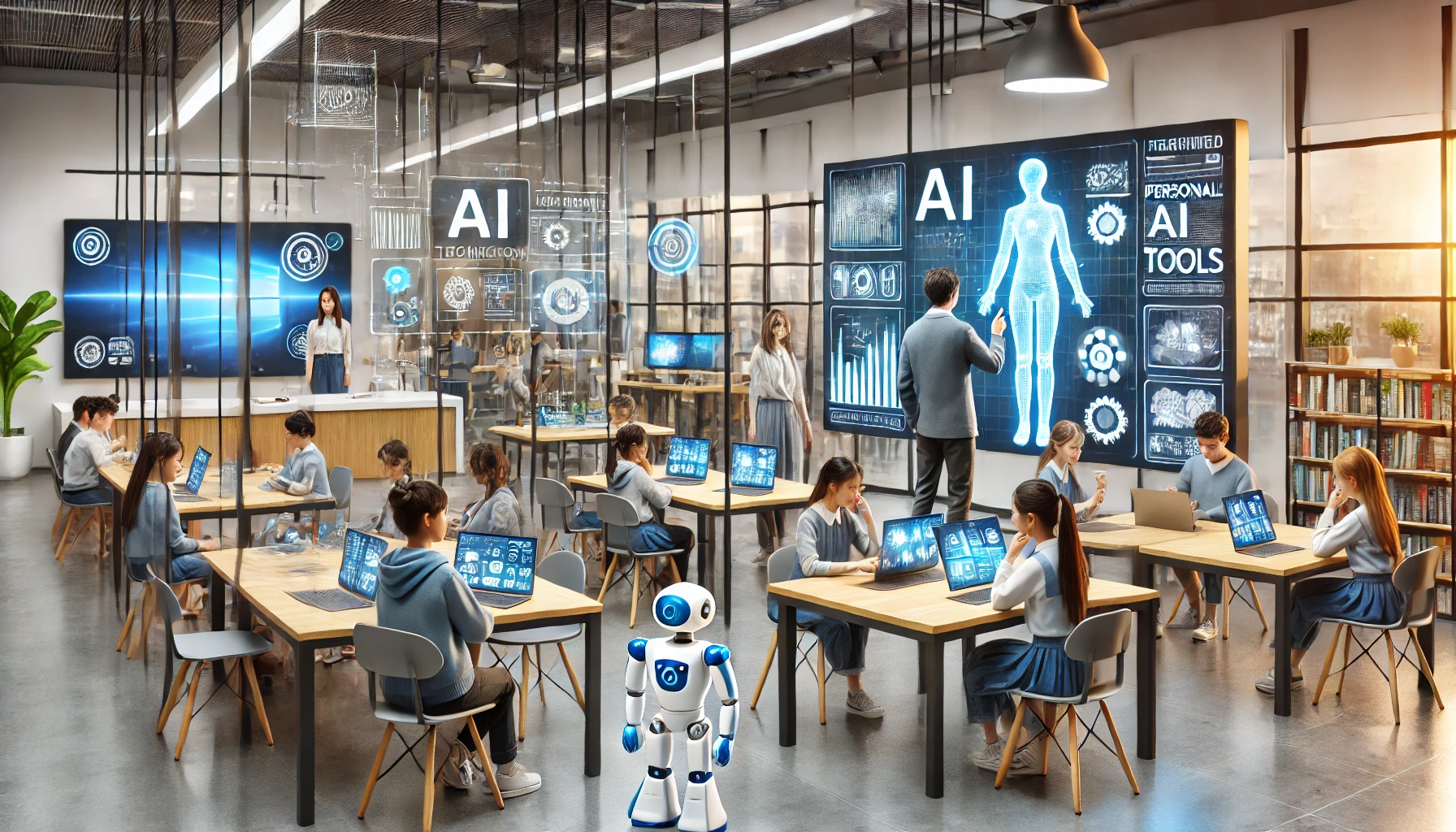
Artificial Intelligence (AI) is increasingly transforming the landscape of education, revolutionizing classrooms, empowering teachers, and providing a personalized learning experience for students. As education systems worldwide adapt to this technological revolution, AI technology is addressing the diverse needs of learners and enhancing educational outcomes in unprecedented ways. In this comprehensive guide, we’ll explore how AI in education is reshaping the classroom, its impact on teachers and students, and what the future of AI in education holds.
The Current State of Education Systems
Education systems globally are facing a crossroads. Traditional educational models, built on one-size-fits-all instruction, are increasingly inadequate for a diverse range of learning needs and abilities. The challenge is that classrooms today include students across age, with varying strengths, weaknesses, backgrounds, and learning paces. As schools confront these disparities, there’s a pressing need for innovative solutions to improve educational outcomes and create a more inclusive learning environment.
Challenges in Traditional Education Systems
-
Lack of Personalization: Conventional education often fails to cater to individual learning paces, interests, and needs.
-
High Teacher Workloads: Teachers are burdened with administrative tasks, making it difficult to provide individualized support.
-
Insufficient Access: In many regions, students lack access to high-quality resources and equitable education opportunities.
In this context, AI offers the potential to tailor education more precisely to individual needs, streamline administrative tasks, and enhance the overall learning experience.
The Role of Artificial Intelligence in Education
AI is playing a critical role in the education sector by providing personalized learning experiences that adapt in real-time to each student’s pace, learning style, and abilities. This shift is enabling educators to identify and address gaps in knowledge more effectively, ultimately improving educational outcomes. Let’s explore the key ways AI technology is making a difference:
Key AI Applications in Education
-
Adaptive Learning Platforms: By analyzing student data, AI-powered platforms can create personalized pathways for students, adjusting the difficulty of content in real-time.
-
AI-Powered Educational Games: These games engage students in interactive learning activities that reinforce important concepts in a fun, memorable way.
-
Intelligent Tutoring Systems: Acting as virtual tutors, these systems provide targeted support outside of classroom hours.
-
AI for Streamlining Administrative Tasks: From automated grading to tracking attendance, AI significantly reduces the time teachers spend on routine tasks, allowing them to focus on meaningful student engagement.
“Artificial Intelligence has the potential to change the landscape of education in profound ways,” says Dr. James White, an AI expert. “With AI, educators can deliver customized learning experiences and truly cater to the unique needs of each student.”
AI Tools in the Classroom

AI tools are reshaping classrooms by enhancing both the learning experience and teacher productivity. Below, we’ll dive into the different types of AI tools that are making a tangible difference in the world of education.
AI-Powered Educational Games
Educational games powered by AI technology deliver interactive and adaptive learning experiences that engage students of all ages. These games allow students to practice key skills in subjects like math and science while receiving both guidance and real-time feedback.
-
Example: DreamBox (an adaptive math program) customizes lessons based on each student’s progress, reinforcing concepts where needed.
Adaptive Learning Platforms
Adaptive learning platforms adjust learning activities based on a student’s progress and comprehension, helping maintain the right level of challenge. By using AI systems and artificial intelligence to tailor lessons, students can work at their own pace, ensuring that foundational skills are mastered before moving forward.
-
Example: Smart Sparrow uses AI technologies to create personalized pathways in higher education, particularly in science and engineering.
Automated Grading and Feedback Systems
Automated grading systems can evaluate assignments, quizzes, and even written essays, saving teachers valuable time. They also provide real-time feedback that enables students to understand areas of improvement immediately.
Chatbots and Intelligent Tutoring Systems
Chatbots are valuable AI assistants in the classroom, offering students immediate help with queries, homework, and even writing tasks. Additionally, intelligent tutoring systems offer one-on-one support, simulating personalized instruction that adapts to each learner’s needs.
Benefits of AI in Education
Implementing AI technologies in education brings numerous benefits, impacting students, teachers, and the broader education system. Here are some of the major advantages:
-
Personalized Learning: AI technology provides individualized pathways for students, catering to their unique needs and learning paces.
-
Improving Student Engagement: Interactive tools and AI-powered games increase student motivation and help prevent disengagement.
-
Streamlining Administrative Work: AI tools automate tasks like grading, attendance tracking, and progress reporting, allowing teachers to devote more time to teaching and mentoring.
-
Real-Time Feedback and Assessment: AI systems analyze student data and provide immediate insights, helping educators tailor their teaching approach and track student progress more effectively.
Implementing AI in Education Systems
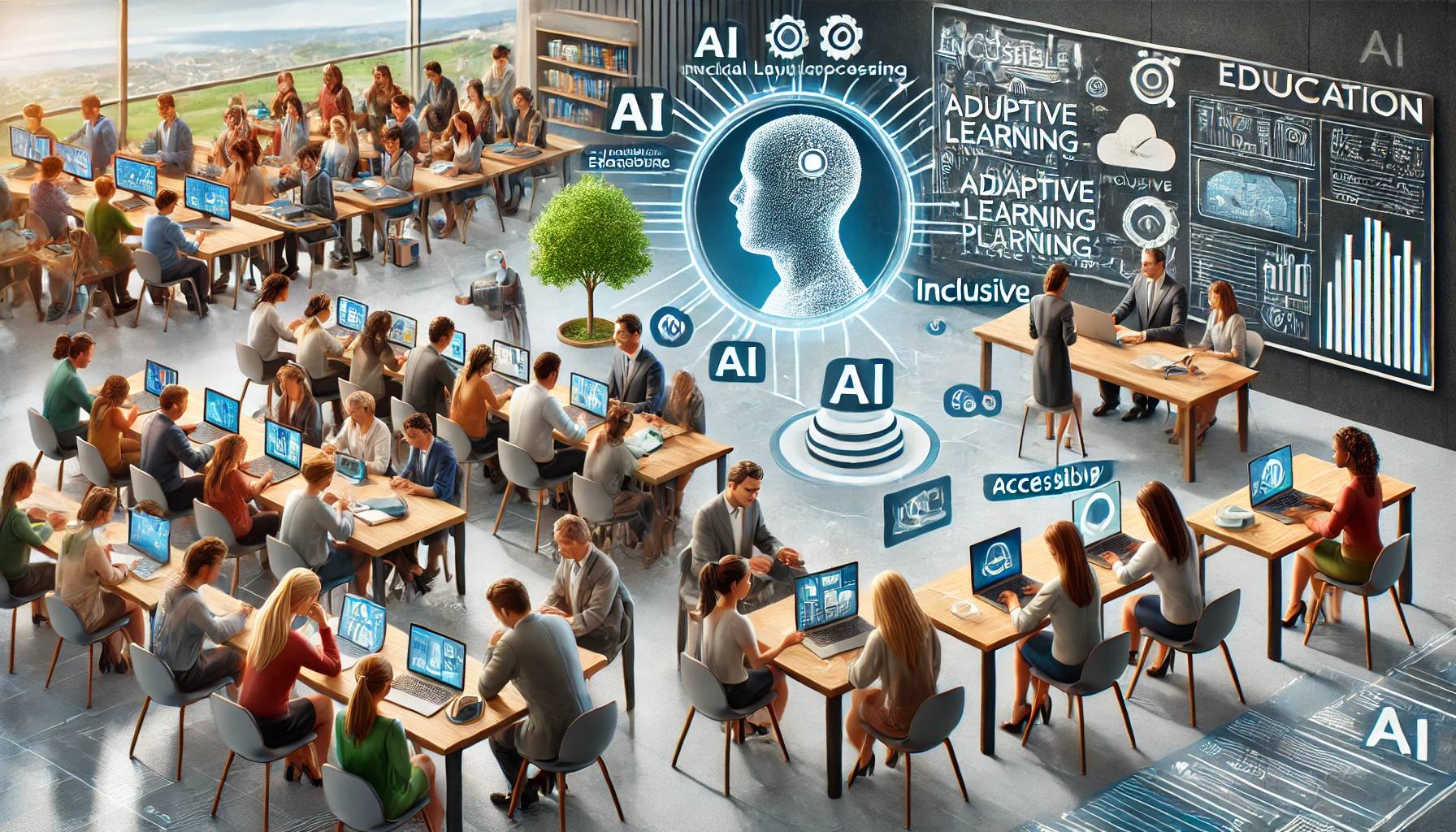
For school leaders and educators to leverage AI in education successfully, a structured approach is essential. Below are some best practices for effective AI implementation empower educators:
Building AI Literacy Among Educators
AI literacy is critical for teachers and school leaders to use AI tools effectively. Providing professional development sessions focused on AI can empower educators and teach them to make the most of AI in their classrooms. This training often includes understanding natural language processing (NLP), generative AI, and adaptive learning platforms.
Ensuring Seamless Integration
AI technologies should integrate smoothly with existing education systems and should be user-friendly for both teachers and students. Seamless integration reduces the learning curve and enhances the utility of these tools.
Promoting Equity and Accessibility
To truly benefit all learners, AI systems and curriculum should be designed with equitable access and inclusivity in mind. AI can bridge educational gaps by providing quality resources to under-resourced communities. Additionally, systems should be accessible to students with disabilities, ensuring no learner is left behind.
Case Study: The Knowledge AI Project (an initiative focused on equitable AI systems) launched an AI-driven platform specifically aimed at providing students from low-income backgrounds with high-quality resources. The project has shown a 20% improvement in student performance within two years.
Addressing Concerns and Challenges of AI in Education
While AI in education and society has transformative potential, there are challenges and risks that must be addressed for responsible adoption.
Data Privacy and Security
With AI systems relying heavily on student data, protecting data privacy and human rights is paramount. Robust data protection policies ensure that student information remains secure and complies with relevant regulations.
-
Example of Data Protection Standard: The Family Educational Rights and Privacy Act (FERPA) in the United States provides guidelines for the safe handling of educational data.
Algorithmic Bias and Equity
Algorithmic bias in AI systems can lead to unequal educational outcomes, particularly affecting minority or marginalized students. Developers must rigorously test AI models to ensure they operate fairly across diverse demographics.
Empowering Teachers and Leaders
Teachers need continuous training and support to navigate AI-driven tools effectively. Empowering teachers with AI knowledge not only improves student engagement but also fosters a positive learning environment.
The Future of Education with AI
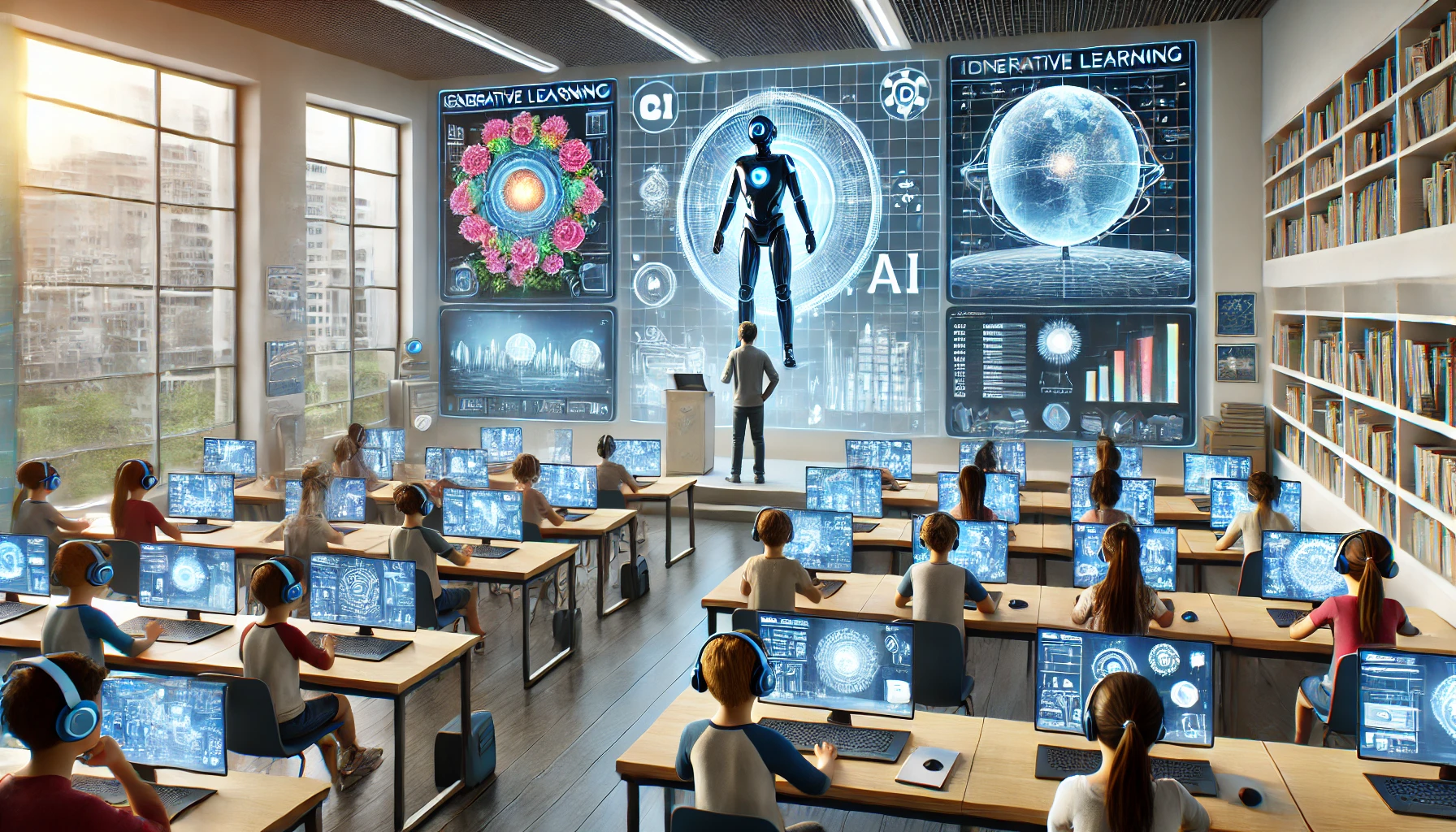
The future of education promises a blend of AI technology with human-driven teaching, creating a balanced approach to learning. Here are some emerging trends:
-
AI and VR Integration: AI technologies combined with Virtual Reality (VR) will create immersive learning experiences, enabling students to explore complex subjects in a hands-on manner.
-
Generative AI in Content Creation: AI will increasingly support teachers in creating custom lesson plans and study materials, reducing preparation time.
-
Data-Driven Insights: Future AI systems will offer more sophisticated data analysis, helping educators track student performance and adjust strategies in real-time.
These trends indicate that AI offers extensive possibilities for enhancing education, from elementary school classrooms to higher education and beyond.
Best Practices for AI Adoption in Education
For effective and responsible use of AI tools in the language in classrooms, educational institutions should follow these best practices:
-
Set Clear Goals: AI adoption should be guided by well-defined objectives that align with educational goals, such as boosting literacy or closing achievement gaps.
-
Engage Stakeholders: Collaboration with teachers, parents, and students ensures that the adoption process is smooth and meets everyone’s expectations.
-
Ensure Accessibility and Equity: AI systems must be designed to serve all students, including those in underserved regions or with special needs.
-
Conduct Ongoing Evaluation: Regular assessments and feedback loops help ensure that AI tools are delivering the intended benefits.
Conclusion
In conclusion, AI in education has the power to transform the classroom experience, offering personalized learning for students and streamlined processes for teachers. The potential of artificial intelligence in education lies in its ability to adapt to each learner’s needs, making education more inclusive and effective. However, the adoption of AI technology in schools must be thoughtful, balancing innovation with ethical considerations like data privacy and equitable access.
As we look to the future, it’s clear that **
AI offers the promise of not only improved educational outcomes but also a pathway toward a more equitable and inclusive education system. Embracing AI responsibly will enable educators to guide students** toward success in an increasingly complex world.
For more insights into AI’s role in education, explore AI in Education Resources or EdTech Solutions for Schools.
