

Introduction to Sustainable Artificial Intelligence
Artificial intelligence (AI) is one of the most transformative technologies of our time, driving advancements in industries ranging from healthcare to finance, agriculture, and energy. Yet, as AI continues to grow, it is accompanied by significant environmental costs, including high energy consumption, carbon emissions, and electronic waste. The need for a sustainable future in AI development and deployment is both urgent and vital.
This article delves into the concept of sustainable artificial intelligence, exploring its significance, challenges, applications, and the pathways toward ensuring that AI remains a tool for progress without compromising our planet’s health.
What is Sustainable AI?
Definition of Sustainable AI
Sustainable AI refers to the development and use of artificial intelligence systems in ways that minimize their negative environmental impact while maximizing their contribution to sustainable development goals (SDGs). This includes:
-
Reducing carbon footprints during AI training and deployment.
-
Ensuring ethical and energy-efficient AI models.
-
Designing AI systems that contribute positively to environmental conservation and resource management.
The Goals of Sustainable AI
The primary objectives of sustainable AI include:
-
Reducing Environmental Harm: Mitigating emissions, energy demand, and waste generated by AI.
-
Promoting Resource Efficiency: Optimizing the use of computational and material resources during AI development.
-
Driving Sustainable Innovation: Utilizing AI tools to address climate change, optimize resource allocation, and conserve biodiversity.
-
Fostering Ethical Development: Ensuring AI is developed and governed responsibly.
Why Sustainable AI Matters
AI is a double-edged sword. While it offers immense potential to address complex global issues, its growth also poses risks to the planet’s ecosystems. For example:
-
Training an advanced machine learning model can generate as much CO₂ as the lifetime emissions of five cars.
-
The global demand for data centers is expected to triple by 2030, driven largely by the expansion of AI technologies.
By adopting sustainability AI practices, we can mitigate these risks and ensure AI aligns with broader environmental and societal goals.
Environmental Impact of AI

Energy Consumption and Carbon Emissions
The energy demands of AI systems are among their most pressing environmental concerns. The training process for large AI models like GPT-4 requires thousands of GPUs and weeks of processing time, consuming enormous amounts of electricity.
Facts and Figures:
-
AI-related activities contribute significantly to the global carbon footprint of tech operations.
-
Data centers supporting AI account for approximately 1% of global electricity consumption, with projections to grow as AI adoption increases.
-
Training a large AI model can emit up to 284 tons of CO₂, equivalent to the emissions produced by five average cars over their lifetimes.
Electronic Waste and Resource Depletion
The rise of AI technologies has accelerated the production and disposal of electronic devices. The lifecycle of hardware such as GPUs, processors, and servers is relatively short, generating substantial electronic waste (e-waste).
Key Impacts:
-
Toxic Chemicals: The disposal of e-waste often releases harmful substances, including lead, mercury, and cadmium, into the environment.
-
Resource Scarcity: Rare earth metals, essential for manufacturing AI hardware, are finite resources. Their extraction has devastating ecological consequences.
Long-Term Environmental Challenges
The environmental implications of AI development extend beyond immediate energy use. They encompass:
-
Strain on natural resources required for hardware production.
-
Contribution to global warming through indirect emissions associated with energy-intensive infrastructure.
-
Ecological damage caused by improper disposal of hardware components.
Energy Efficiency in Sustainable AI
The Role of Energy Efficiency
Achieving energy efficiency in AI systems is a cornerstone of sustainable development. Energy-efficient AI models require fewer computational resources, lowering their carbon emissions while maintaining performance.
Optimizing Algorithms for Energy Reduction
Developers are exploring innovative ways to optimize AI algorithms to make them less resource-intensive. Strategies include:
-
Designing lighter models that require smaller datasets and fewer training cycles.
-
Using transfer learning, which allows models to build on pre-trained networks instead of starting from scratch.
Renewable Energy and AI Operations
Powering AI infrastructure with renewable energy significantly reduces its environmental impact. Major companies, including Google, have committed to running their data centers on 100% renewable energy by 2030.
Applications of Sustainable AI
AI in Healthcare and Education
Sustainable AI can revolutionize sectors like healthcare and education by:
-
Improving diagnostic tools to reduce unnecessary procedures and resource usage.
-
Enabling remote learning platforms that minimize the carbon footprint associated with traditional education systems.
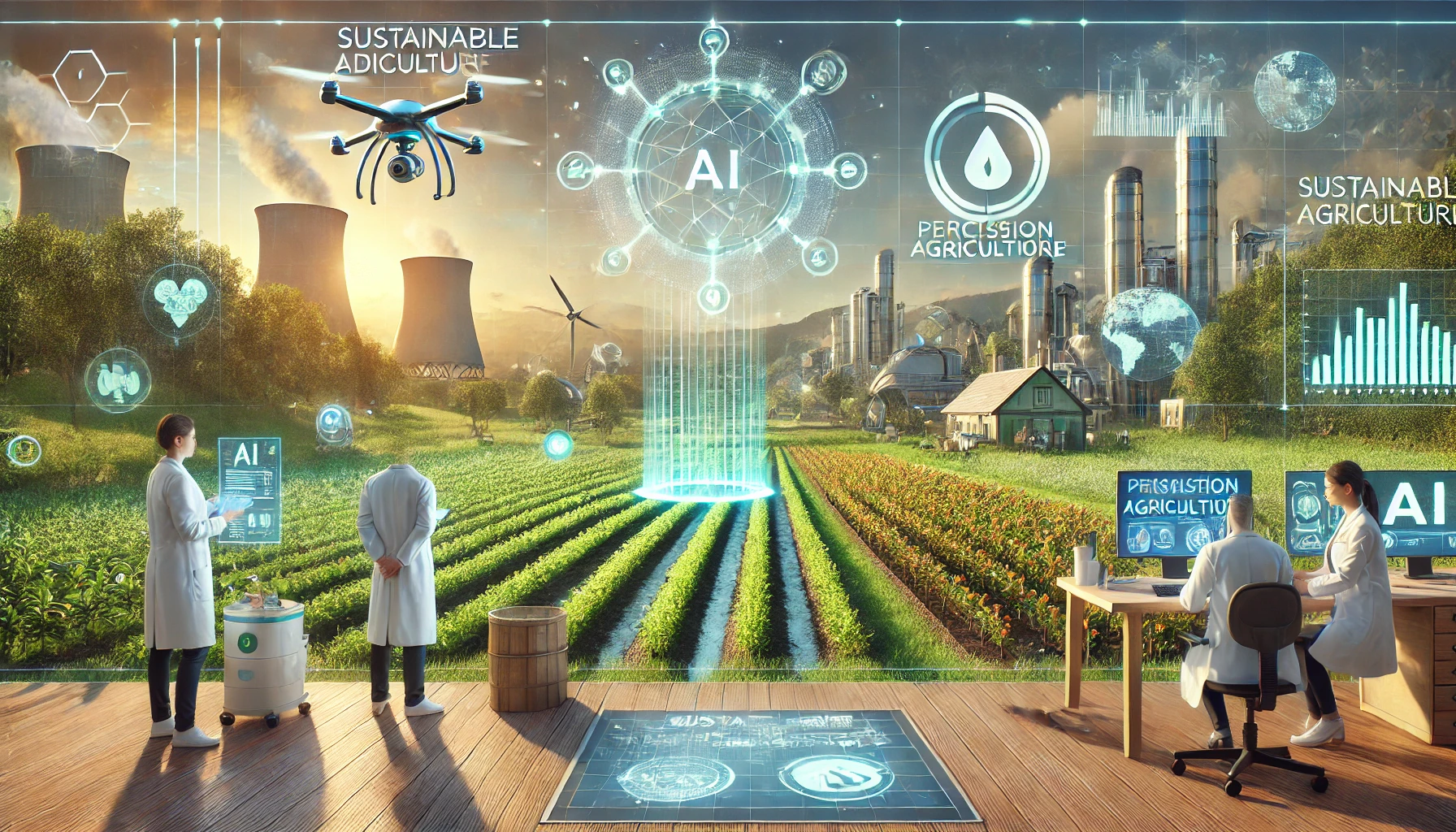
Resource Management and Agriculture
AI systems are being used to:
-
Optimize irrigation and fertilizer use in sustainable agricultural practices.
-
Monitor and predict crop health to minimize waste and boost yields.
Climate Change Monitoring and Mitigation
AI-driven tools analyze climate data, track deforestation, and predict natural disasters, aiding in environmental conservation. For instance:
-
AI models are used to assess the impacts of extreme weather events, providing valuable insights for policymakers.
Artificial Intelligence for Sustainability
Supporting UN Sustainable Development Goals
AI aligns with several of the United Nations Sustainable Development Goals (SDGs), particularly those focused on climate action, clean energy, and sustainable cities.
AI in Environmental Data Analysis
AI can process complex datasets, uncover patterns, and make predictions to address pressing environmental challenges, such as water scarcity and habitat loss.
Innovations for a Sustainable Future
AI is driving the development of innovative solutions, such as energy-efficient transportation systems and smart grids that reduce energy waste.
Challenges of Sustainable AI
Measuring AI’s Environmental Impacts
Quantifying the full environmental impact of AI systems is complex. Metrics for emissions, energy use, and resource consumption are often inconsistent.
Overcoming AI Resource Intensity
The trend toward larger, more complex AI models exacerbates resource intensity. Reversing this trend will require a shift in how AI technologies are developed.
Ethical Concerns and Governance
Governments and companies must address ethical considerations in AI governance, including:
-
Ensuring equitable access to sustainable AI tools.
-
Protecting data privacy while promoting sustainability efforts.
Embracing Sustainable AI Practices
Sustainability Tools for AI Systems
Tools like the AI Carbon Tracker help developers assess and reduce the environmental impact of their systems.
Designing Green Data Centers
Green data centers utilize:
-
Renewable energy sources.
-
Advanced cooling technologies to minimize energy use.
Collaboration Across Stakeholders
Tech companies, governments, and environmental organizations must collaborate to establish frameworks and guidelines for sustainable AI development.
The Future of Sustainable AI

Vision for Long-Term Sustainability
The future of AI hinges on balancing innovation with environmental stewardship. Emphasizing collaboration and adopting energy-efficient technologies will be crucial.
Balancing Growth and Conservation
Achieving sustainable growth in AI requires balancing technological advancements with a commitment to conserving the planet’s resources.
Opportunities for Future Generations
By prioritizing sustainability in AI development, we can create a future where technology enhances quality of life without compromising ecological integrity.
Conclusion
The rise of sustainable artificial intelligence presents an opportunity to align technological innovation with the urgent need for environmental sustainability. By adopting practices that reduce energy consumption, minimize waste, and promote sustainable development, the AI industry can lead the way in addressing the climate crisis and conserving resources for future generations.
Through collaboration, innovation, and commitment, sustainable AI technologies can ensure that progress serves both humanity and the planet.
FAQs: Sustainable Artificial Intelligence
1. What is sustainable AI?
Sustainable AI refers to the development and deployment of AI systems in ways that minimize environmental harm, reduce carbon emissions, and promote sustainable development.
2. How does AI impact the environment?
AI systems consume large amounts of energy during training and deployment, contributing to carbon emissions and producing electronic waste from short-lived hardware components.
3. How can AI be made more sustainable?
AI can be made more sustainable by optimizing energy efficiency, using renewable energy sources, adopting data minimization strategies, and designing energy-efficient AI models.
4. What industries benefit from sustainable AI?
Industries such as healthcare, education, agriculture, and resource management benefit from sustainable AI by reducing waste, optimizing resource use, and addressing environmental challenges.
5. Why is sustainable AI important for the future?
Sustainable AI ensures that technological advancements align with efforts to combat climate change, conserve natural resources, and support a more sustainable future for future generations.
