
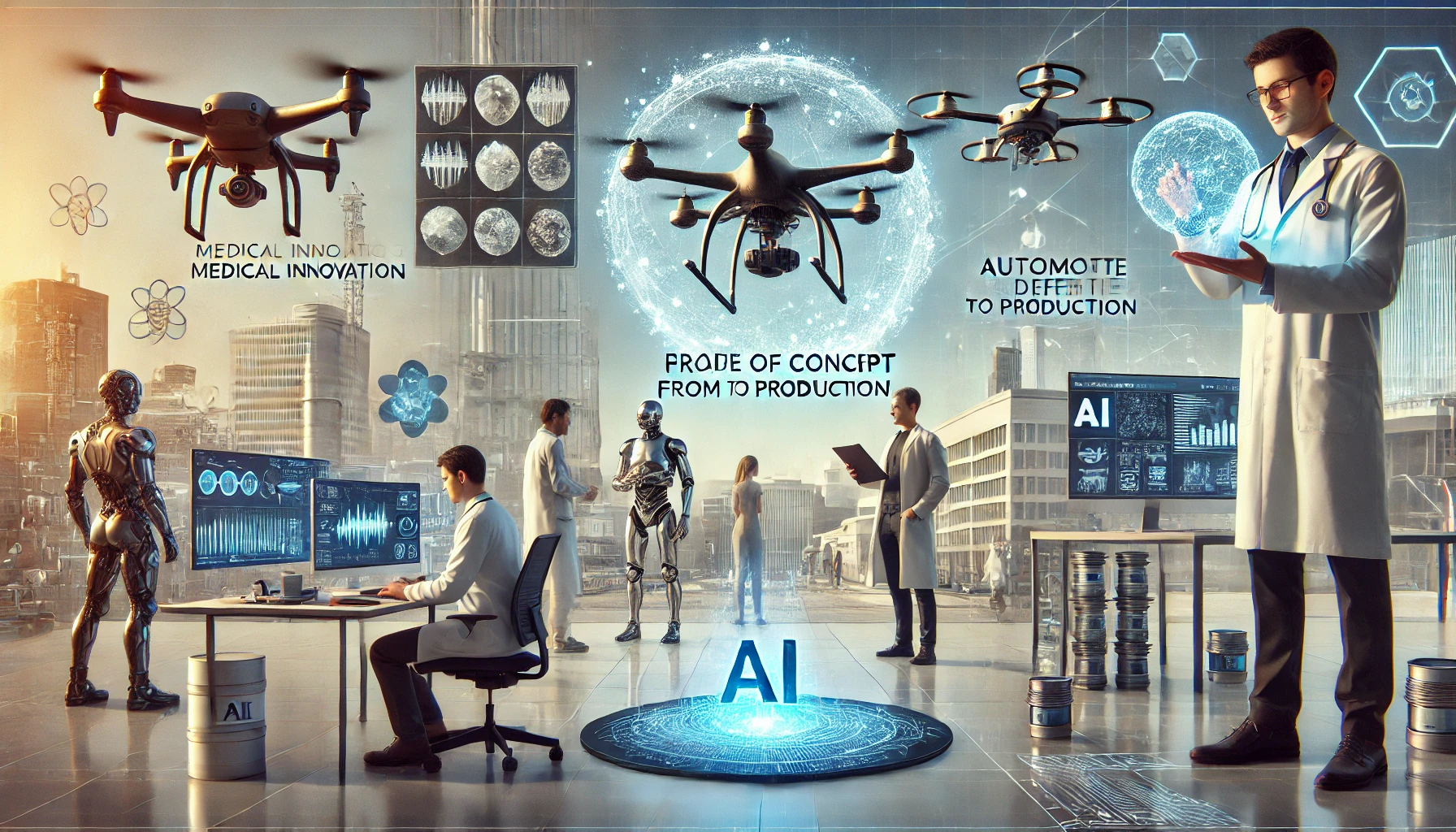
Embracing AI Adoption in Indian Enterprises
Indian enterprises are undergoing a seismic shift in artificial intelligence (AI) adoption, leveraging AI to drive sustainable growth, enhance service delivery, and boost productivity gains. AI-powered solutions are transforming industries by optimizing workflows, automating repetitive tasks, and improving decision-making processes.
A report by EY India suggests that AI adoption will increase productivity by 43-45% in the IT industry over the next five years. While large-scale Indian enterprises have traditionally lagged behind global peers in AI adoption, the landscape is changing with the integration of Generative AI (GenAI) solutions.
Key drivers of AI adoption in Indian enterprises:
-
Cost reductions: AI-driven automation is significantly reducing operational costs.
-
Service delivery enhancement: AI-powered chatbots and virtual assistants are improving customer interactions.
-
Strategic initiatives: Enterprises are harnessing AI to gain real value from vast amounts of data.
-
Revenue growth: AI algorithms optimize processes, leading to increased revenue streams.
According to Tech Mahindra, many organizations in India are deploying AI solutions in sectors such as healthcare, finance, education, and supply chains, making India a rising AI powerhouse.
The Journey of AI: A 70-Year Evolution
AI has evolved at an unprecedented pace over the last 70 years. It started as a proof of concept and has now advanced into a powerful cutting-edge technology.
Key milestones in AI evolution:
-
1950s: John McCarthy coins the term artificial intelligence (AI).
-
1980s-1990s: AI shifts from rule-based systems to early forms of machine learning algorithms.
-
2000s: Rise of deep learning, fueled by increased computing power and big data.
-
2020s: The emergence of Generative Artificial Intelligence (GenAI) models capable of producing human-like text, images, and speech.
GenAI, a subset of deep learning, is revolutionizing industries by generating new content based on existing data. Tech giants like Google, Microsoft, and OpenAI are investing heavily in language models, which are enabling new possibilities in various key sectors.
Challenges in Scaling AI Innovation in Indian Startups
Despite significant progress, Indian startups face multiple challenges in scaling AI innovation. These include:
-
Lack of AI Talent:
-
India faces a stark contrast in AI talent availability compared to global peers.
-
High-potential areas such as drug discovery and brain mapping remain underserved.
-
-
Business Model Sustainability:
-
Many AI startups struggle with finding sustainable business models.
-
The Series A cliff remains a reality, as securing funding beyond early stages is challenging.
-
-
Data Standardization & Ethics:
-
Data privacy and security concerns hinder AI adoption.
-
Formal ethics frameworks are necessary to ensure responsible AI deployment.
-
The Role of Government in Promoting AI Adoption
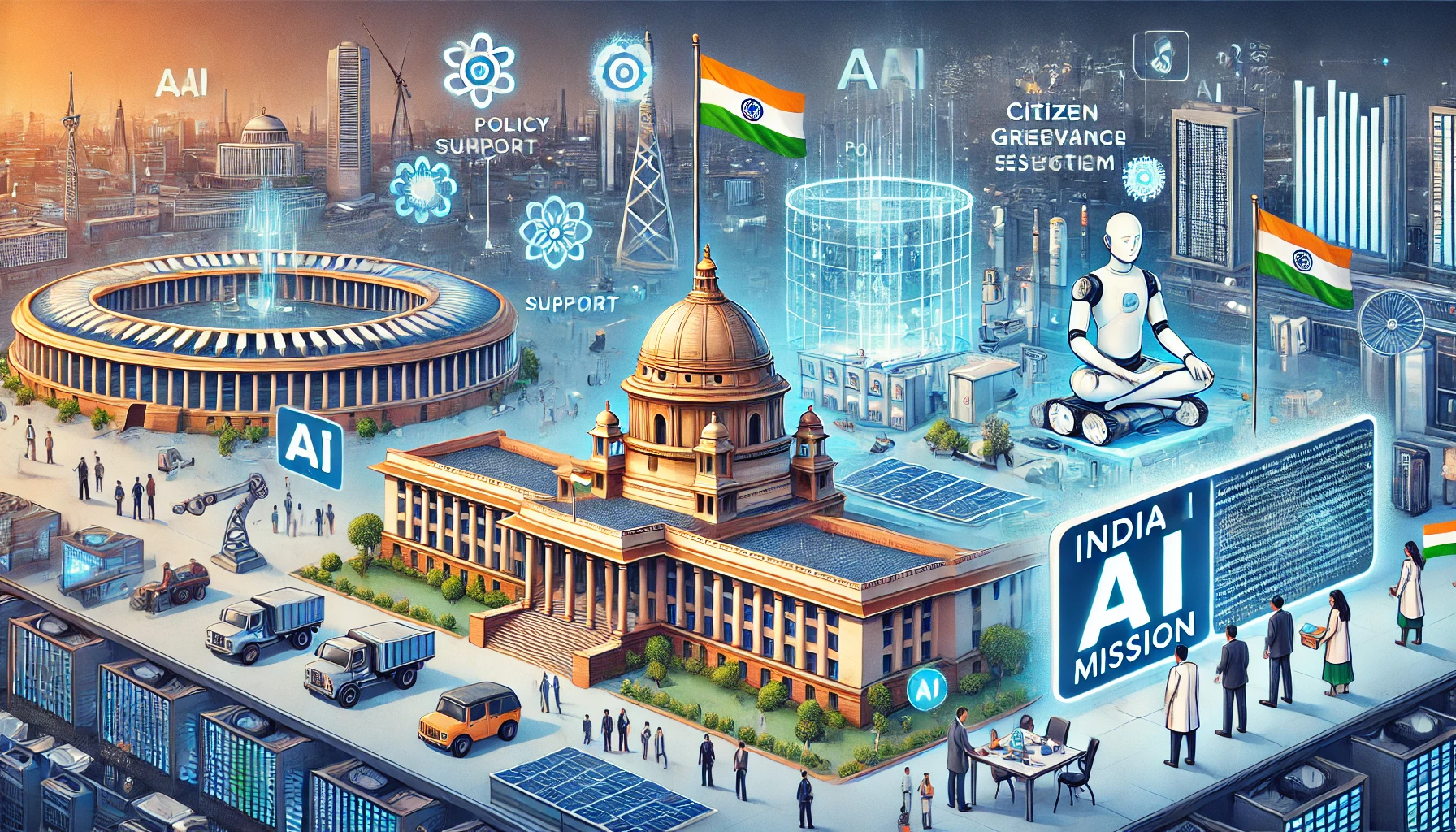
The Indian government is taking proactive steps to embrace AI and promote AI adoption through initiatives such as:
-
The IndiaAI Mission: Provides funding and support for AI research and development.
-
AI-powered citizen grievance redressal systems: Enhance government efficiency.
-
Data infrastructure development: Ensures AI solutions operate with high-quality datasets.
-
AI adoption in power plants, healthcare, and finance sectors: Drives economic and social benefits.
With these initiatives, the government is well-positioned to foster AI innovation and strengthen India’s startup ecosystem.
Building a Strong AI Team
For AI startups in India, building a strong AI team is crucial. Successful AI teams possess:
-
Technical expertise: Data scientists, machine learning engineers, and AI researchers.
-
Business acumen: Understanding strategic initiatives to drive revenue growth.
-
Industry knowledge: AI-powered solutions must align with the business domain.
Startups must focus on retaining top AI talent by offering competitive salaries and fostering an innovative work culture.
Funding and Revenue Growth in the Indian AI Market
The Indian AI market is booming, with over $25 billion invested in AI-driven healthcare startups alone in 2022. The market is projected to grow by $500 billion by 2025, driven by GenAI adoption.
Funding sources for AI startups:
-
Venture Capital & Angel Investors
-
Government AI Funding Initiatives
-
Corporate AI Collaborations with Big Tech Companies
AI-powered solutions are expected to boost productivity, reduce costs, and improve customer experiences, ensuring revenue growth for AI startups.
Specialization and Differentiation: A Competitive Advantage
To stand out in the competitive AI landscape, Indian startups must specialize and differentiate.
Best practices for AI startups:
-
Focus on niche AI applications, such as fraud detection or AI-driven BPO services.
-
Develop scalable and cost-effective AI solutions for different industries.
-
Leverage AI-powered consulting companies to refine AI deployment strategies.
Startups should also build a strong brand and form collaborative efforts within the AI ecosystem.
GenAI in Action: Use Cases
GenAI is revolutionizing many organizations across different industries:
|
Industry |
GenAI Use Case |
|---|---|
|
Healthcare |
AI-assisted diagnostics, drug discovery, and patient engagement chatbots |
|
Finance |
Fraud detection, algorithmic trading, and risk assessment |
|
Education |
AI-powered virtual assistants and personalized learning |
|
Retail |
AI-driven recommendation engines and customer experience enhancements |
AI’s Impact on Workflow Revolution and Efficiency
AI is driving a workflow revolution in Indian enterprises by streamlining processes and improving efficiency.
AI-powered innovations transforming workflows:
-
AI-powered chatbots handling customer queries efficiently.
-
AI in supply chains optimizing inventory management.
-
Automation of repetitive tasks leading to significant cost savings.
These AI-driven solutions are expected to fuel sustainable growth and strengthen India’s startup ecosystem.
Go-to-Market Strategy for AI Startups
A well-defined go-to-market strategy is essential for Indian AI startups to scale successfully. This includes:
-
Building a strong brand and digital presence.
-
Developing a robust sales and marketing strategy.
-
Collaborating with large enterprises and consulting companies.
AI startups should leverage business models that drive long-term revenue growth while ensuring AI solutions remain cost-effective.
Conclusion
Indian startups are at the forefront of AI innovation, transitioning from proof of concept to full-scale production. While challenges exist, the combination of government support, funding opportunities, and cutting-edge technology advancements place India in a prime position to become a global AI powerhouse.
For businesses looking to harness AI effectively, now is the time to invest in AI applications, strengthen AI talent, and explore GenAI solutions that deliver real value.
Related External Links
-
NASSCOM AI Report
Internal Links

Thank you for your sharing. I am worried that I lack creative ideas. It is your article that makes me full of hope. Thank you. But, I have a question, can you help me?