
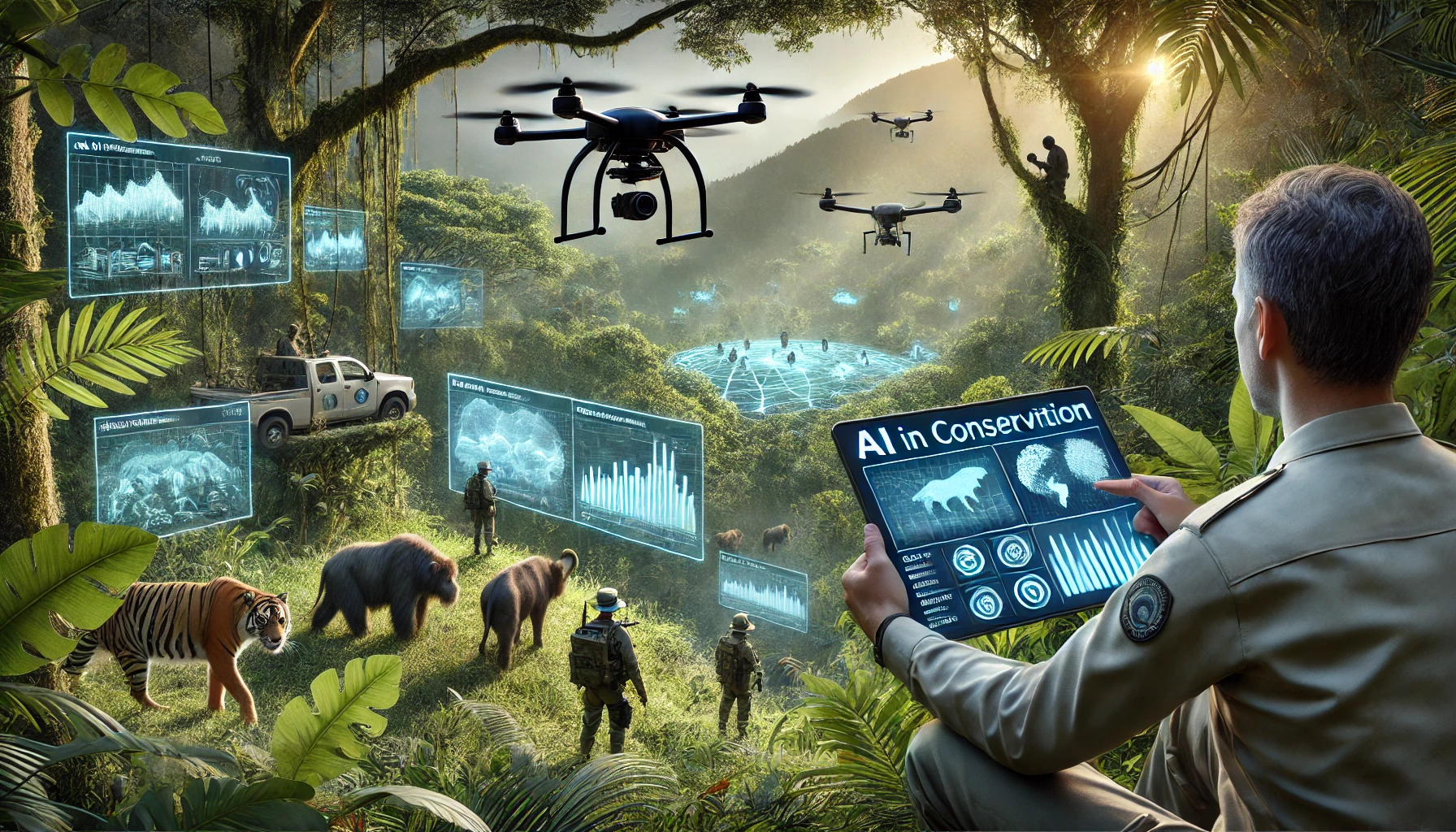
Introduction to AI in Conservation
Artificial intelligence (AI) is revolutionizing wildlife conservation efforts, offering innovative solutions to monitor, protect, and sustain the planet’s biodiversity. From tracking elusive endangered species to combating illegal activities like poaching, AI-powered tools are enabling conservationists to address challenges in ways previously unimaginable.
AI’s ability to analyze massive datasets, detect patterns, and provide real-time insights is transforming traditional methods of wildlife conservation. This integration of technology into conservation efforts is not just enhancing the efficiency of existing strategies but also paving the way for innovative solutions that ensure the long-term survival of species and ecosystems.
As wildlife conservationists adopt AI-powered tools, they are better equipped to face global challenges such as habitat destruction, climate change, and species extinction. The future of wildlife protection is increasingly tied to the transformative potential of AI technology.
Conservation Challenges
Habitat Loss and Destruction
The rapid expansion of urbanization, agriculture, and industrial activities has led to unprecedented levels of habitat destruction. Critical ecosystems such as rainforests, wetlands, and grasslands are being degraded, displacing animal species and disrupting ecological balances. For instance, habitat loss is the primary threat to species like the orangutan and the Canada lynx.
Poaching and Illegal Wildlife Trade
The illegal wildlife trade remains a significant driver of biodiversity loss. Poaching threatens iconic species such as rhinos, elephants, and pangolins, which are hunted for their body parts. Despite anti-poaching efforts, traditional methods often fail to detect and prevent these activities in real time.
Climate Change
The effects of climate change—rising temperatures, altered rainfall patterns, and extreme weather events—are reshaping habitats worldwide. Species such as polar bears and coral reef ecosystems are particularly vulnerable. Marine mammals, including humpback whales, face challenges due to shifting migration patterns and warming oceans.
Human-Wildlife Conflicts
As human populations expand into protected areas, conflicts between humans and wildlife become more frequent. These interactions often result in harm to both humans and animals. For instance, elephants destroying crops or predators attacking livestock can lead to retaliatory killings, further threatening already vulnerable populations.
AI-Powered Conservation Tools
AI-Powered Drones
AI-powered drones are revolutionizing wildlife monitoring and protection efforts. Equipped with advanced computer vision systems, these drones can:
-
Monitor vast landscapes and identify wildlife populations.
-
Detect illegal activities such as poaching or logging in real time.
-
Conduct precise habitat analysis using high-resolution aerial imagery.
Example:
In Africa, drones are being used to monitor elephant populations and detect poachers, allowing authorities to deploy anti-poaching teams quickly.
Camera Traps with AI Integration
Camera traps equipped with AI technology are transforming the way conservationists identify wildlife and track animal behavior. These systems can:
-
Automatically identify species from images.
-
Recognize individual animals using facial recognition techniques.
-
Provide continuous data for long-term wildlife research.
Example:
The use of AI-enhanced camera traps in the Amazon rainforest has provided valuable insights into elusive species such as jaguars and ocelots.
Acoustic Monitoring Systems
AI-powered acoustic monitoring uses sound analysis to detect and identify animal calls, making it particularly useful for studying marine mammals, birds, and amphibians. These systems help conservationists:
-
Monitor population health by analyzing vocal activity.
-
Identify shifts in migration patterns.
-
Detect human threats, such as illegal fishing or ship traffic.
Example:
AI-based acoustic sensors have been deployed to track the migration routes of humpback whales, providing critical data to protect them from ship strikes.
Satellite Imagery Analysis
AI tools analyze satellite imagery to detect changes in habitats, track deforestation, and identify areas impacted by climate change. These insights are invaluable for prioritizing conservation interventions in threatened ecosystems.
Success Stories in AI-Driven Conservation

Protecting the Amur Leopard
The critically endangered Amur leopard has been a focus of conservation efforts led by organizations like the World Wildlife Fund (WWF). By using AI to analyze camera trap data, conservationists have gained a deeper understanding of their population dynamics and behavior, enabling targeted protection strategies.
Safeguarding the Sumatran Rhino
AI-powered acoustic monitoring and camera traps have been instrumental in protecting the highly endangered Sumatran rhino, whose population has dwindled to fewer than 80 individuals. These technologies have allowed conservationists to locate and monitor rhinos in dense forests, a task previously deemed nearly impossible.
Monitoring Humpback Whales
Researchers have utilized AI to analyze underwater acoustic data, tracking the songs of humpback whales to study their migration and reproduction patterns. These efforts have contributed to reducing human-induced threats such as ship collisions.
Conservation Planning and Decision Support
Data-Driven Conservation Planning
AI algorithms can analyze a wide array of environmental factors, such as topography, vegetation, and climate, to identify and model suitable habitats for different species. This enables conservationists to make informed decisions about protected areas.
Benefits:
-
Identifying high-priority zones for conservation.
-
Modeling the effects of climate change on species distribution.
-
Predicting potential risks to wildlife populations.
Adaptive Management Strategies
Real-time data provided by AI-powered tools allows conservationists to adapt their strategies to emerging threats. For instance, when poaching activities are detected, resources can be reallocated immediately to mitigate risks.
Efficient Resource Allocation
AI helps optimize resource allocation by analyzing trends and identifying critical areas where interventions are most needed. This ensures that limited funds and manpower are used effectively.
Challenges and Limitations of AI in Conservation
Data Availability and Quality
The success of AI-powered tools depends on high-quality data. In many regions, insufficient data collection hampers the development and deployment of effective AI models.
Bias in AI Models
AI systems may reflect biases present in their training data, leading to inaccurate predictions or suboptimal conservation decisions. Addressing these biases requires continuous refinement of AI algorithms and datasets.
Ethical Concerns
The use of AI in wildlife conservation raises ethical questions, including data ownership, especially when involving local communities. Ensuring that data collection and use are ethical is essential for fostering trust and collaboration.
Collaboration and Data Sharing
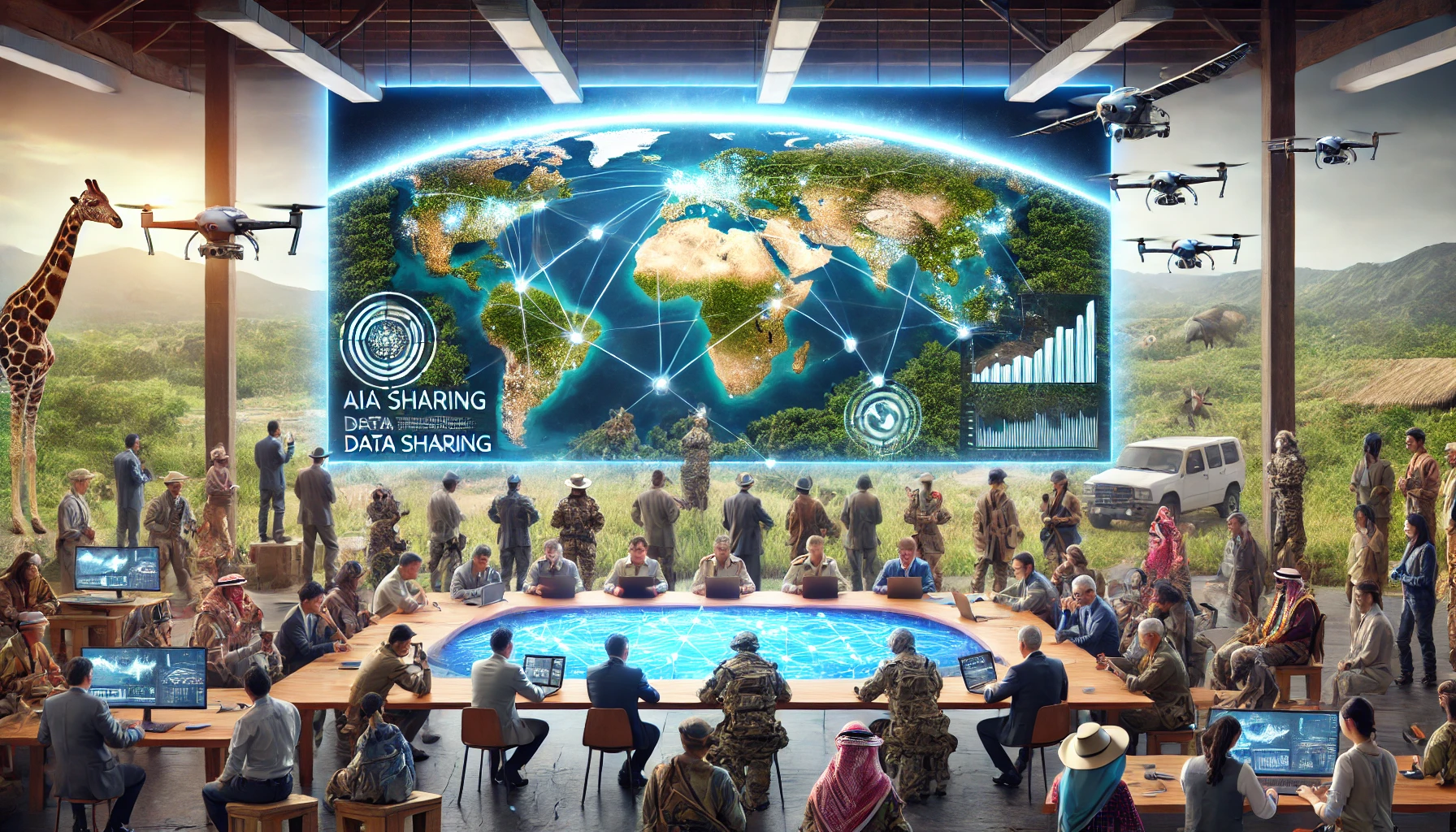
Importance of Collaboration
Collaboration among conservation organizations, governments, and local communities is critical for effective wildlife protection. AI systems benefit from pooled resources, expertise, and data.
Role of Data Sharing
Data sharing allows conservationists to build robust AI models by incorporating diverse datasets. For example, global networks can combine camera trap data, satellite imagery, and acoustic recordings to monitor wildlife populations on a larger scale.
Example:
The Global Biodiversity Information Facility (GBIF) provides open-access data to enhance conservation efforts worldwide.
Applications of AI in Wildlife Conservation
Species Identification
AI systems can quickly identify species from images or videos, eliminating the need for manual analysis. This is particularly useful for monitoring cryptic or rare animals.
Habitat Mapping
Using AI to analyze satellite imagery, conservationists can create detailed maps of habitats. These maps are used to monitor changes over time and identify areas requiring intervention.
Anti-Poaching Measures
AI predicts high-risk zones for poaching by analyzing patterns in historical data. Drones and surveillance cameras powered by AI are deployed in these areas to deter illegal activities.
Genetic Data Analysis
AI processes genetic data to assess the health and diversity of wildlife populations. By studying DNA samples, conservationists can identify individual animals and monitor breeding patterns.
Benefits of AI in Wildlife Conservation
Continuous Monitoring
AI enables continuous monitoring of ecosystems, even in remote or challenging environments, providing real-time updates on population dynamics and threats.
Rapid Response to Threats
AI-powered tools enhance rapid response capabilities, allowing conservationists to intervene before threats escalate.
Cost-Effective Solutions
By automating labor-intensive tasks, AI reduces costs, enabling conservation organizations to maximize their impact with limited resources.
Future Directions for AI in Wildlife Conservation
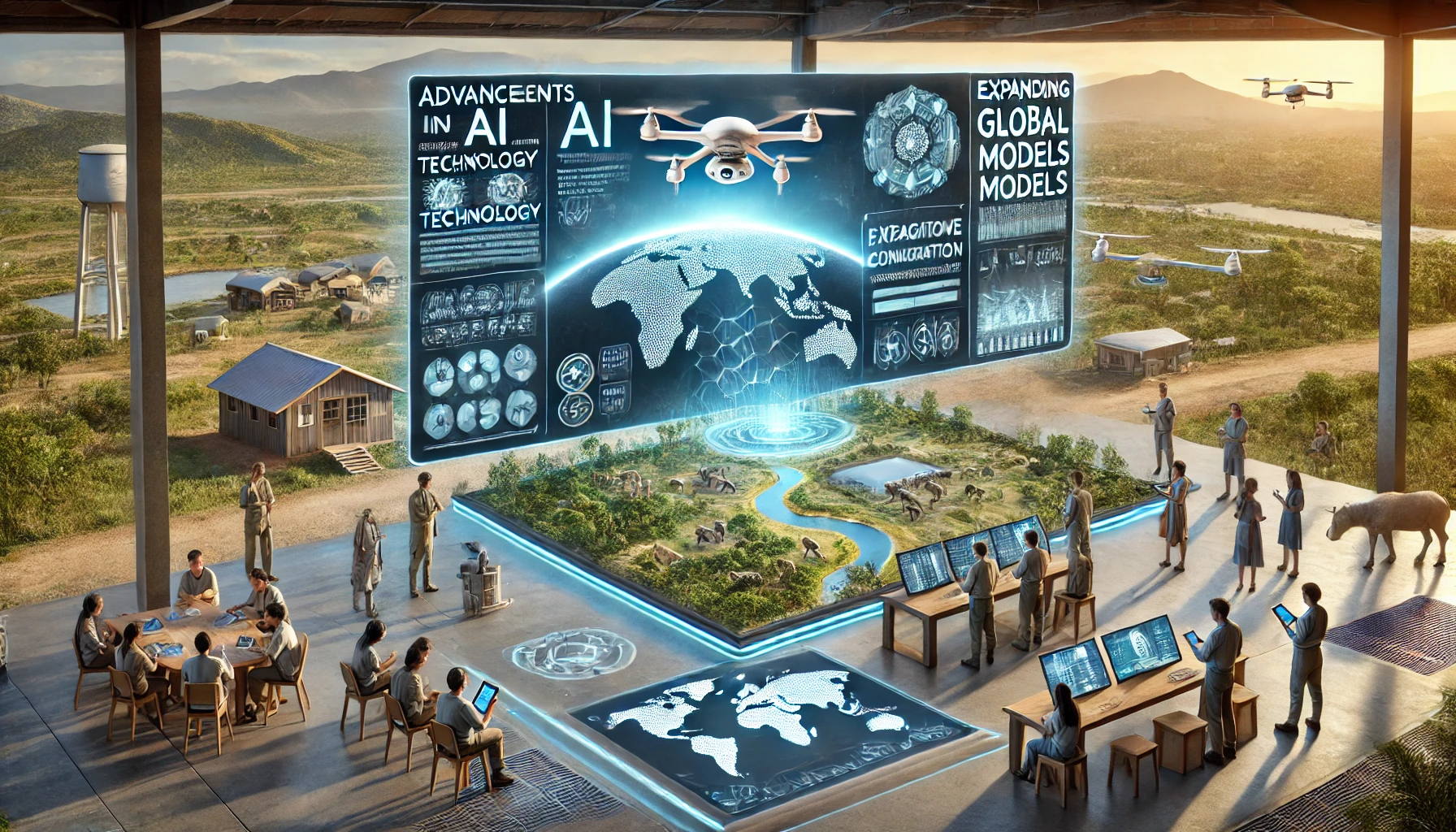
Advancements in AI Technology
The development of more sophisticated AI systems will enhance the accuracy and scope of wildlife conservation efforts. Innovations like real-time facial recognition and predictive habitat modeling hold great promise.
Integration with Community Involvement
Involving local communities in AI-driven conservation projects fosters ownership and ensures that efforts are sustainable in the long term.
Expanding Global Collaboration
Strengthening international partnerships and data-sharing initiatives will amplify the impact of AI tools globally, benefiting a broader range of endangered species.
Conclusion
The application of AI for wildlife conservation is transforming the field, offering innovative solutions to protect endangered species and preserve biodiversity. From anti-poaching efforts to habitat mapping and species monitoring, AI is enabling conservationists to work smarter and more effectively.
While challenges like data quality and ethical concerns remain, the potential of AI to drive wildlife conservation efforts is undeniable. Through global collaboration, ethical implementation, and continued technological advancements, AI can help secure a sustainable future for the natural world and ensure that future generations inherit a thriving planet rich in biodiversity.
FAQs: AI for Wildlife Conservation
1. How is AI used in wildlife conservation?
AI is used for tasks like wildlife monitoring, species identification, habitat analysis, and detecting illegal activities such as poaching. Tools like AI-powered drones, camera traps, and acoustic sensors enhance conservation efforts.
2. Can AI help protect endangered species?
Yes, AI provides critical insights for protecting endangered species by tracking populations, identifying potential threats, and guiding conservation strategies with data-driven insights.
3. What are the benefits of AI in conservation?
AI offers benefits such as real-time monitoring, rapid response to threats, improved resource allocation, and cost-effective solutions for monitoring wildlife in remote or challenging environments.
4. What challenges does AI face in conservation?
Challenges include the need for high-quality ecological data, potential biases in AI models, and ethical concerns around data ownership and usage.
5. Which organizations use AI in conservation?
Organizations like the World Wildlife Fund (WWF) and conservation groups worldwide use AI-powered tools to monitor habitats, track wildlife populations, and combat threats like poaching and habitat destruction.

Thanks for sharing. I read many of your blog posts, cool, your blog is very good. https://accounts.binance.com/register-person?ref=IXBIAFVY