
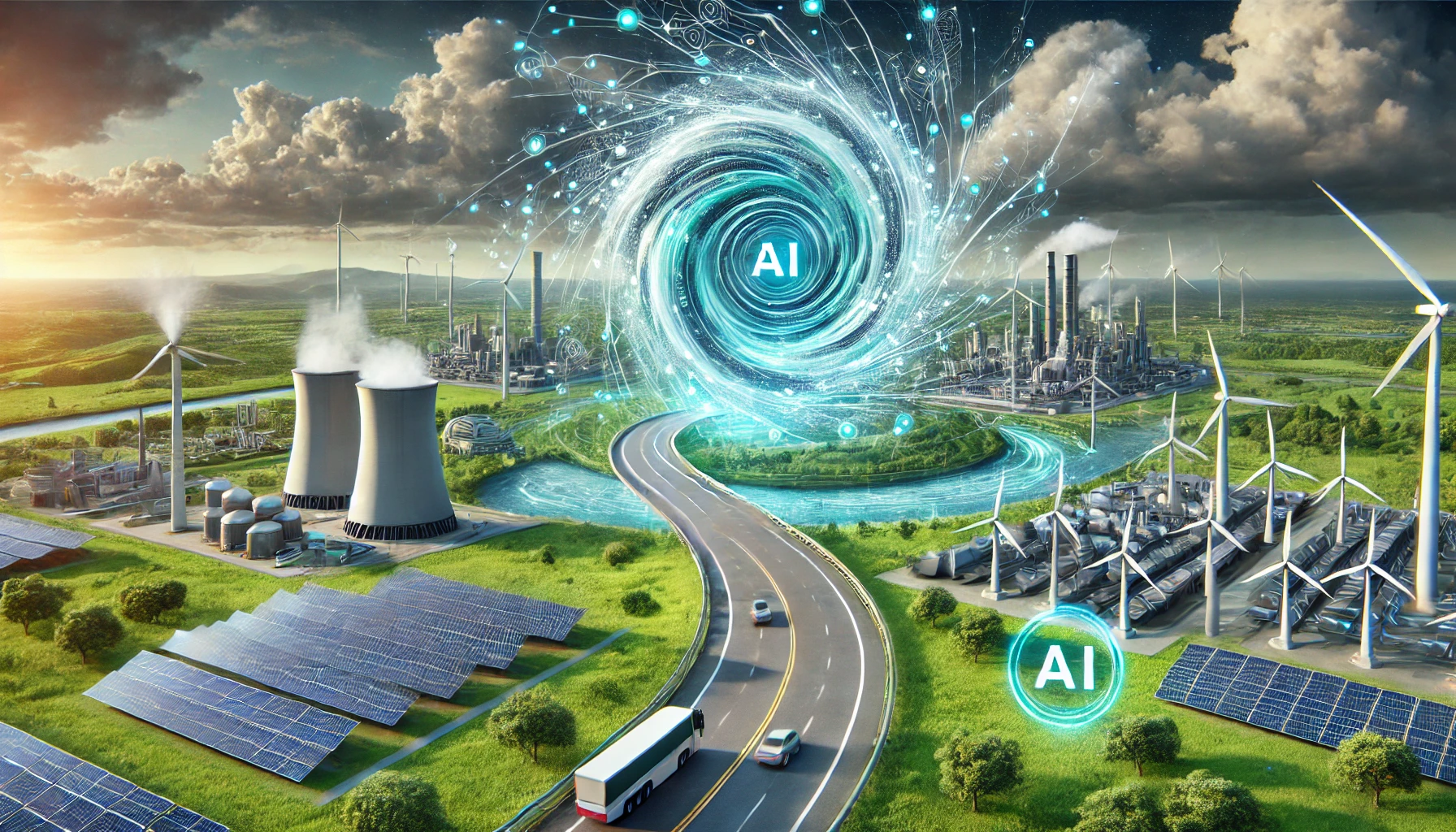
The global climate crisis, driven by greenhouse gas emissions and the continued reliance on fossil fuels, poses a severe threat to environmental sustainability and the well-being of all life on Earth. Today, artificial intelligence (AI) has emerged as a powerful ally in the fight against climate change, providing innovative solutions across various domains. From early warning systems for natural disasters to optimized energy systems, AI applications are advancing efforts to reduce emissions, conserve natural resources, and protect vulnerable communities.
In this comprehensive guide, we’ll explore the role of AI in climate action, focusing on five transformative solutions that harness computational power of AI technology for a more sustainable future.
The Role of AI in Combating Climate Change
Artificial intelligence holds great promise in tackling climate change by processing vast amounts of data and generating insights that drive impactful decisions. According to the International Telecommunication Union, AI can help cut carbon emissions, improve energy efficiency, and promote sustainable practices on a global scale. By leveraging machine learning algorithms, neural networks, and big data, AI technology can reduce greenhouse gas emissions, support renewable energy, and aid climate change mitigation, especially in developing countries.
Key Benefits of AI in Climate Action
-
Data-Driven Decision-Making: AI enables real-time analysis of environmental data, leading to quicker, evidence-based decisions.
-
Scalability and Efficiency: AI models can be scaled globally, optimizing resource consumption and lowering environmental costs.
-
Enhanced Prediction Abilities: AI’s predictive analytics aid in anticipating extreme weather events and climate risks.
-
Optimized Resource Management: AI improves efficiency in agriculture, water management, and waste reduction.
-
Support for Renewable Energy: AI helps transition energy systems from fossil fuels to renewable sources, advancing a low-carbon future.
By understanding the impact and applications of AI in climate action, we can harness its potential to address climate change comprehensively.
Predicting and Preparing for Climate Disasters

Climate disasters, from hurricanes to droughts, have become more frequent due to global warming. AI’s ability to analyze vast data sets enables more accurate and timely early warning systems for these extreme weather events, helping to reduce their devastating effects.
AI-Driven Early Warning Systems
AI-driven early warning systems use satellite imagery, sensor data, and big data to predict the likelihood of climate-related disasters. Machine learning algorithms analyze historical data to detect patterns, providing insights into potential threats. For instance:
-
NASA uses AI to track hurricanes by analyzing cloud formations and temperature patterns, issuing early warnings to affected areas.
-
In India, AI-powered flood prediction models developed by Google have provided timely alerts to millions, reducing flood damage and saving lives.
Protecting Vulnerable Communities
Communities that are geographically and economically vulnerable often bear the brunt of climate disasters. AI’s ability to predict extreme weather allows targeted interventions for these communities, minimizing economic and humanitarian impacts. AI’s key role in promoting climate justice includes empowering marginalized communities with accessible information and early alerts to mitigate disaster risks.
Case Study: In Kenya, a machine learning model developed by the International Federation of Red Cross analyzes weather, vegetation, and soil moisture data, predicting drought conditions three months in advance. This provides early alerts to farmers and rural communities, allowing them to prepare and minimize crop losses.
By predicting these extreme weather conditions, AI technology helps save lives and mitigate economic loss, addressing some of the most urgent aspects of the climate crisis.
AI for Sustainable Resource and Waste Management
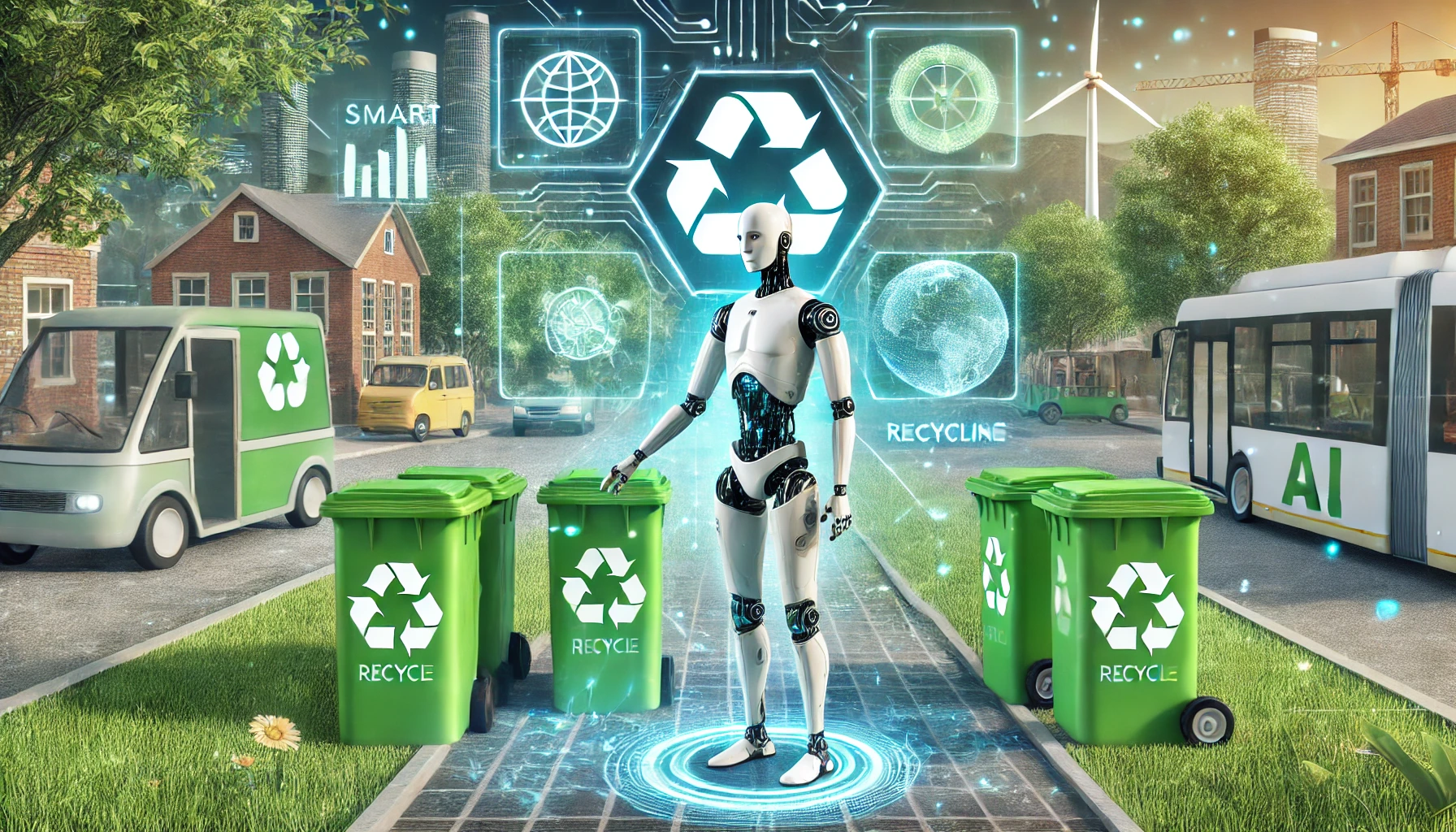
Waste management is a major contributor to environmental pollution, exacerbating climate change. AI applications in waste reduction and recycling improve the efficiency air quality of waste systems and conserve valuable natural resources.
AI in Waste Reduction and Recycling
AI technology is transforming waste management by identifying areas for improvement in recycling systems and helping organizations reduce their carbon footprint. Key ways AI aids waste management include:
-
AI-Powered Sorting: AI-driven sorting systems, such as those developed by AMP Robotics, use visual recognition to sort recyclable materials faster and more accurately, reducing contamination.
-
Optimized Collection Routes: Machine learning algorithms analyze waste generation patterns, creating optimized collection routes that reduce fuel consumption and emissions.
AI in the Circular Economy
AI supports a circular economy by enabling the recycling and reuse of materials, thus lowering resource consumption. By integrating AI-driven sustainability solutions, companies can reduce environmental costs while improving profitability. For instance:
-
In the European Union, AI models assess waste flows to identify recyclable materials, increasing recycling rates across the continent.
-
In Japan, Hitachi’s AI-powered systems track e-waste, ensuring hazardous materials are properly managed and reducing landfill contributions.
Through optimized waste management, AI technology actively contributes to environmental sustainability by reducing landfill waste and conserving natural resources.
AI in Renewable Energy Optimization and Energy Efficiency
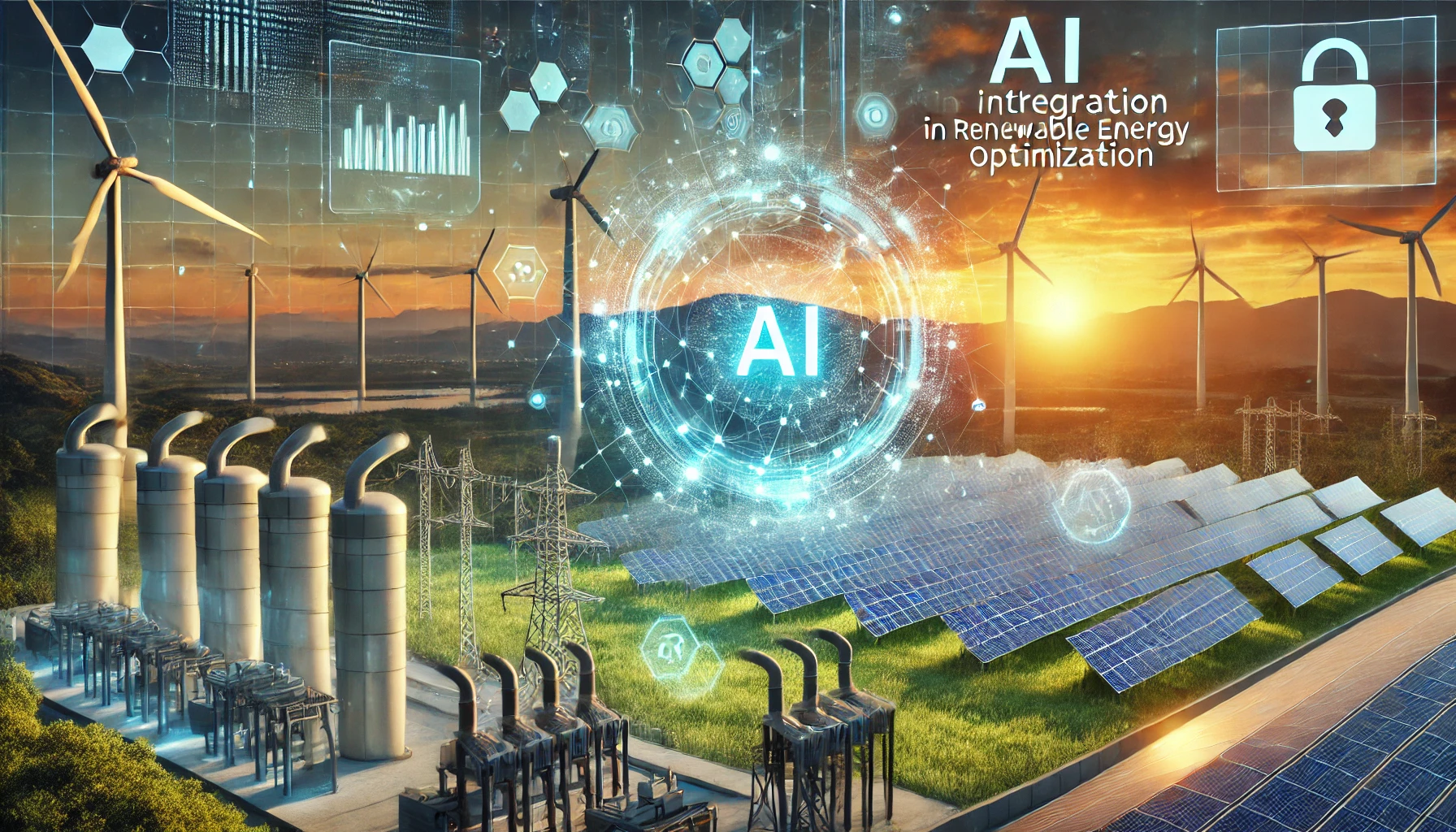
Transitioning from fossil fuels to renewable energy is crucial in mitigating climate change. AI applications in renewable energy are paving the way for efficient and reliable energy production, reducing carbon emissions and promoting clean energy.
Optimizing Renewable Energy Production and Distribution
AI systems optimize energy output by balancing supply and demand across energy systems. For instance:
-
Wind and Solar Energy: AI algorithms predict the energy output of wind and solar farms based on weather forecasts, ensuring energy is available when needed.
-
Grid Management: AI manages energy grids by balancing variable renewable energy with demand, preventing power losses and increasing efficiency.
Table: AI Applications in Renewable Energy Optimization
|
AI Application |
Benefit |
Example |
|---|---|---|
|
Energy Demand Forecasting |
Reduces waste and improves efficiency |
Google’s DeepMind AI manages energy usage at data centers |
|
Predictive Maintenance for Wind Turbines |
Extends turbine lifespan |
Siemens uses AI to predict turbine failures |
|
Smart Grid Management |
Balances supply with demand |
IBM’s AI platform optimizes energy grid performance |
AI for Energy Efficiency in Urban Areas
Urban areas are the world most major consumers of energy and sources of carbon emissions. AI-driven smart cities leverage data to reduce energy use, making urban environments more sustainable:
-
Smart Lighting: AI controls lighting systems, reducing energy consumption in public spaces by up to 30%.
-
Building Management: AI systems optimize energy use in buildings by controlling heating, ventilation, and cooling systems based on occupancy data.
Through optimizing energy production and energy efficiency, AI supports the transition to a sustainable, low-carbon economy.
AI for Climate Justice and Equity
Climate change affects vulnerable and low-income communities disproportionately, underscoring the need for climate justice. AI can help address this imbalance by providing marginalized communities with essential resources for climate action.
Empowering Marginalized Communities with AI
AI aids in identifying regions at high risk of climate impacts, enabling targeted mitigation and adaptation efforts:
-
Resource Allocation: AI data helps governments allocate resources to communities most affected by climate risks, ensuring equitable distribution.
-
Awareness and Education: AI-powered platforms raise awareness about climate change, providing critical information to underserved communities.
Quote: “AI can be a game-changer for climate justice by empowering the most vulnerable with the knowledge and resources they need to protect themselves.” – United Nations Development Programme.
By promoting climate justice and equity, AI enables all communities to benefit from climate action, ensuring no one is left behind in the fight against climate change.
The Future of AI in Climate Action
As AI continues to develop, its potential to address climate change will only grow. From supporting renewable energy adoption to promoting environmental sustainability in industries, AI technology promises transformative to tackle climate change for a sustainable future.
Challenges and Opportunities for AI in Climate Action
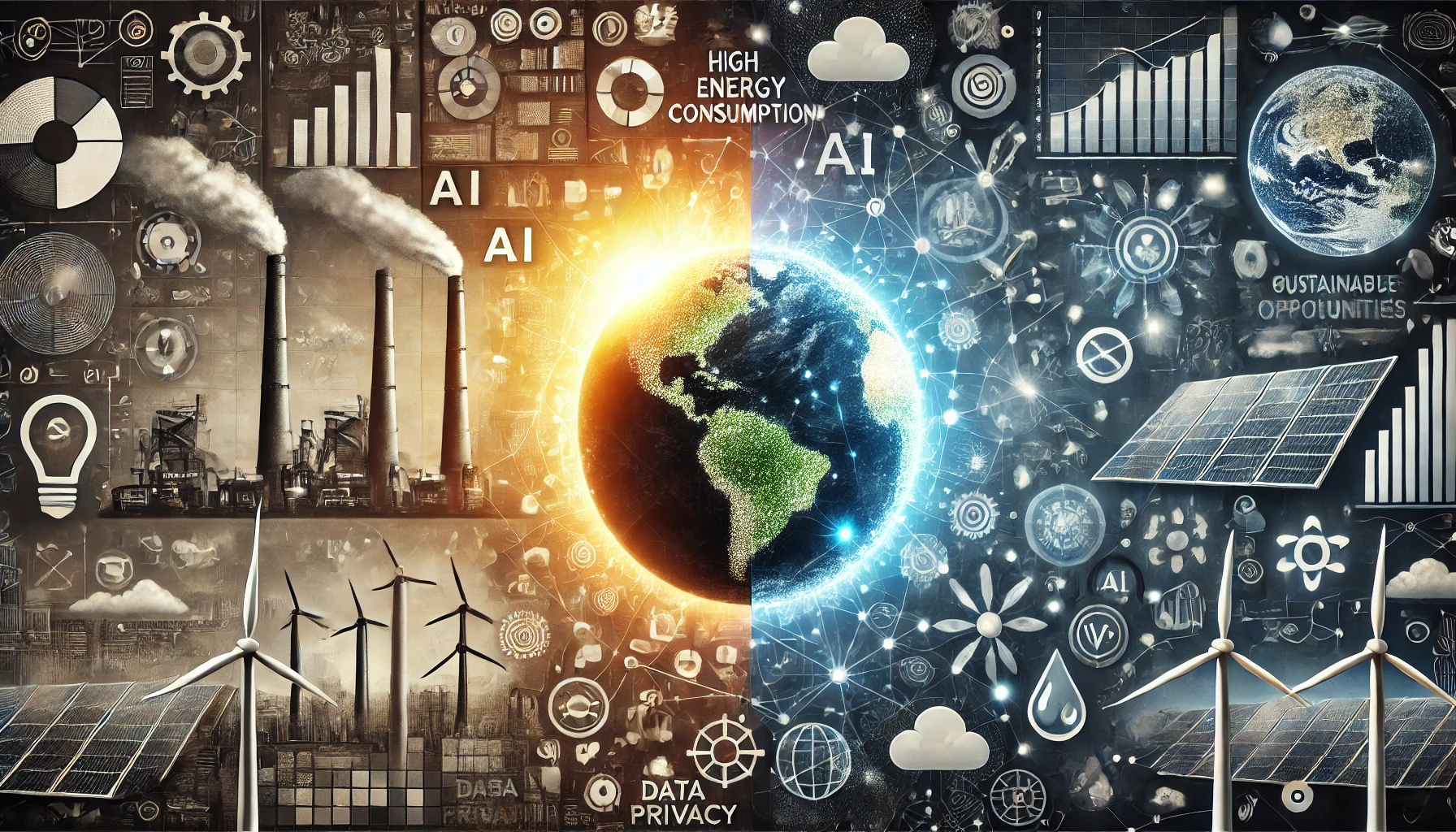
While AI offers significant opportunities, challenges remain, such as:
-
High Energy Consumption: Data centers and AI computations require substantial power, contributing to emissions.
-
Data Privacy: Handling large environmental datasets raises privacy concerns, especially when sensitive location data is involved.
-
Need for International Collaboration: Addressing climate change with AI requires partnerships between governments, private sectors, and academic institutions worldwide.
Future AI research will focus on minimizing environmental impact of these challenges, ensuring AI’s use in climate action is both ethical and sustainable.
Innovations to Watch
Emerging trends in AI applications for climate action include:
-
Generative AI for Environmental Simulation: Predictive models that simulate environmental scenarios to better understand future climate risks.
-
AI in Carbon Capture and Storage: Optimizing methods for capturing and storing carbon dioxide emissions.
-
Advanced AI Models for Climate Policy: Providing governments with data-driven insights for creating effective climate policies.
By addressing these challenges, AI can continue to serve as a force for positive, called climate change itself, driving impactful solutions across all facets of climate change mitigation.
Conclusion: Harnessing the Power of AI for a Sustainable Future

The potential of artificial intelligence in climate action is immense. From improving energy efficiency to supporting climate justice, AI offers a roadmap to a cleaner, more sustainable future. As we move forward, the global community must continue to support AI research and development to unlock innovative solutions that address the climate crisis.
By embracing AI-driven climate initiatives, we can reduce carbon footprints, conserve resources more energy, and empower communities worldwide. With responsible use, AI holds the key to a future where humanity thrives in harmony with the planet. Together, let’s harness the power of AI to create a sustainable future for all.
FAQ
-
What role does AI play in climate action?
AI plays a pivotal role by providing data-driven insights for emission reduction, resource conservation, and disaster prediction. -
Can AI help in reducing greenhouse gas emissions?
Yes, AI aids in optimizing energy use, improvingefficiency in production, and tracking carbon footprints, which helps reduce emissions.
-
What are some challenges associated with using AI for climate action?
High energy consumption, data privacy concerns, and the need for international collaboration are major challenges in deploying AI for climate action. -
How is AI used in renewable energy optimization?
AI predicts energy production from renewables and manages grids, balancing supply with demand to prevent energy loss and increase efficiency. -
Can AI contribute to climate justice?
Absolutely, AI provides marginalized communities with crucial climate information, helping to address the unequal impact of climate change.

Reading your article helped me a lot and I agree with you. But I still have some doubts, can you clarify for me? I’ll keep an eye out for your answers. https://accounts.binance.com/ar/register-person?ref=FIHEGIZ8