
Introduction to AI Systems
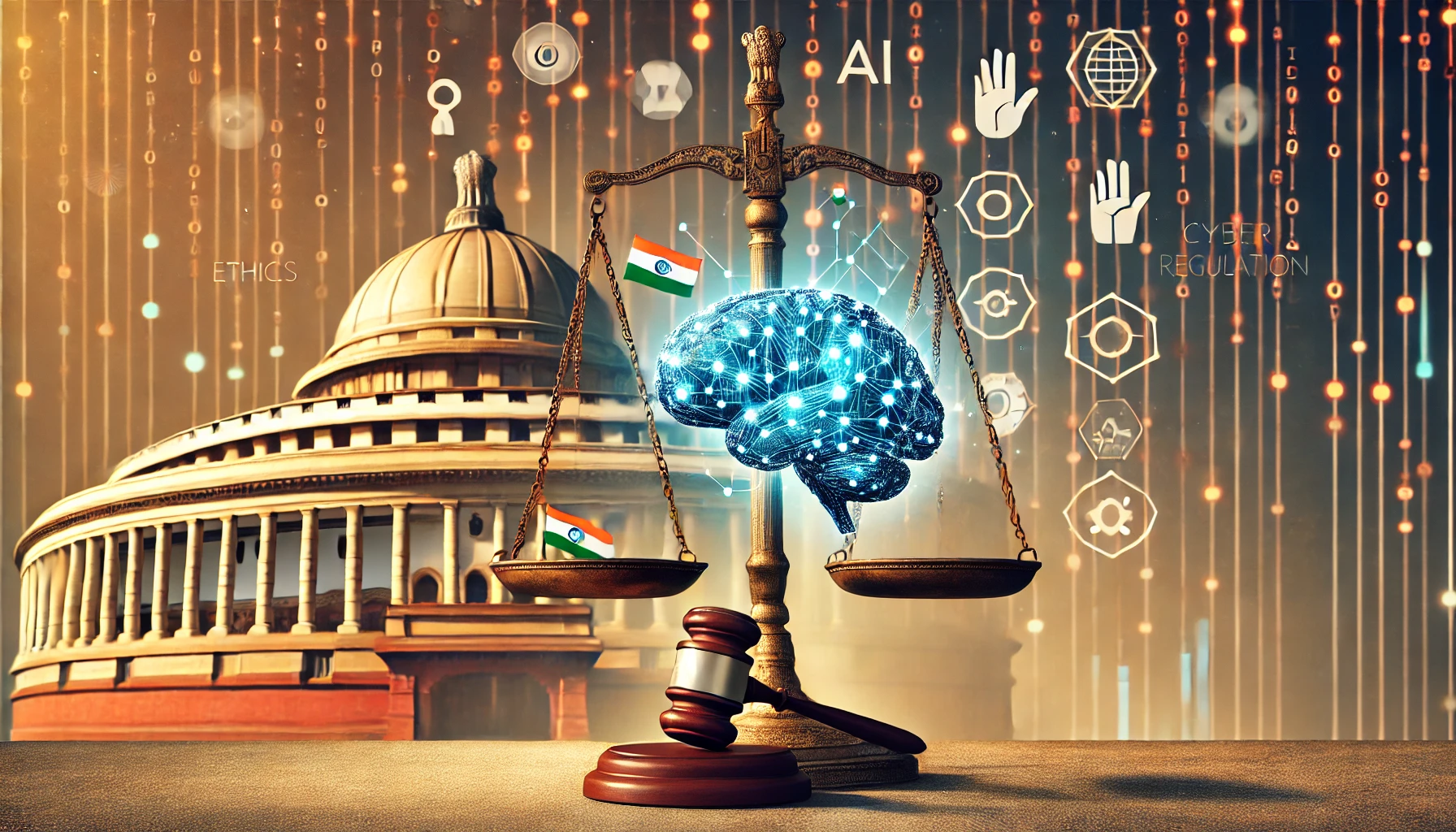
The rise of artificial intelligence (AI) systems is transforming various sectors in India, including healthcare services, finance, and education. As the country embraces technological advancements, AI applications are becoming integral to decision-making, automation, and digital transformation across industries. AI-powered solutions enhance efficiency, accuracy, and scalability, providing innovative ways to solve complex problems.
However, the adoption of AI technologies also presents ethical concerns and regulatory challenges. Issues related to data privacy, bias, and human oversight require a well-defined governance framework to ensure responsible AI development and deployment. India’s AI ecosystem is rapidly evolving, with initiatives such as the National Strategy for Artificial Intelligence aiming to position India as a global leader in AI innovation. Nonetheless, the country must balance innovation with stringent AI regulations to mitigate potential risks.
AI Governance in India
India’s National AI Strategy and Its Goals
India’s national AI strategy emphasizes fostering innovation, entrepreneurship, and adoption of AI-driven solutions across various industries. The strategy is built on five pillars:
-
AI in the Public Sector – Leveraging AI to improve government efficiency and service delivery.
-
Skilling and Reskilling Workforce – Upskilling professionals to adapt to AI-driven job markets.
-
Research and Development – Encouraging AI innovation through government and private sector collaboration.
-
Ethical AI Development – Ensuring AI systems are fair, transparent, and accountable.
-
AI for Social Good – Deploying AI solutions to address healthcare, agriculture, and education challenges.
India’s National AI Portal
The government has launched the National AI Portal (indiaai.gov.in) to provide stakeholders with AI-related initiatives, policies, and research updates. While India has made significant progress in AI adoption, there is a pressing need for a comprehensive regulatory framework to govern AI development and deployment.
Ethical Challenges in AI Development
Key Ethical Concerns in AI
As AI technologies continue to advance, they raise various ethical risks that must be addressed to ensure their responsible development. Some of the most pressing concerns include:
-
Bias and Fairness – AI models can inherit biases from training data, leading to discriminatory outcomes.
-
Transparency and Accountability – AI decision-making processes must be explainable and auditable.
-
Job Displacement – Automation powered by AI is replacing traditional job roles, impacting employment opportunities.
-
Facial Recognition Technology – The use of AI in facial recognition has raised concerns regarding privacy and mass surveillance.
-
Risk Assessment and Management – AI-driven risk management models need to be monitored to prevent unintended consequences.
The Need for Human Oversight
To mitigate these ethical concerns, AI systems must incorporate human oversight to ensure fairness and accountability. Ethical principles such as transparency, equity, and inclusivity should be embedded in AI development processes.
Data Protection and Privacy
Strengthening India’s Data Protection Laws
As AI applications rely heavily on data collection, data protection and privacy laws play a crucial role in ensuring the security of personal information. India’s Digital India Act is expected to establish sector-specific guidelines to regulate AI-driven data usage. However, the country must address:
-
Regulating AI-powered data processing to prevent data breaches.
-
Protecting fundamental rights of citizens against AI-enabled surveillance.
-
Developing risk-based approaches to regulating AI across industries.
Private Sector’s Role in Data Protection
Private companies must implement AI governance frameworks that prioritize ethical data use, ensuring AI solutions meet compliance standards and mitigate risks of fraudulent activity.
Responsible AI Development
Building a Responsible AI Ecosystem
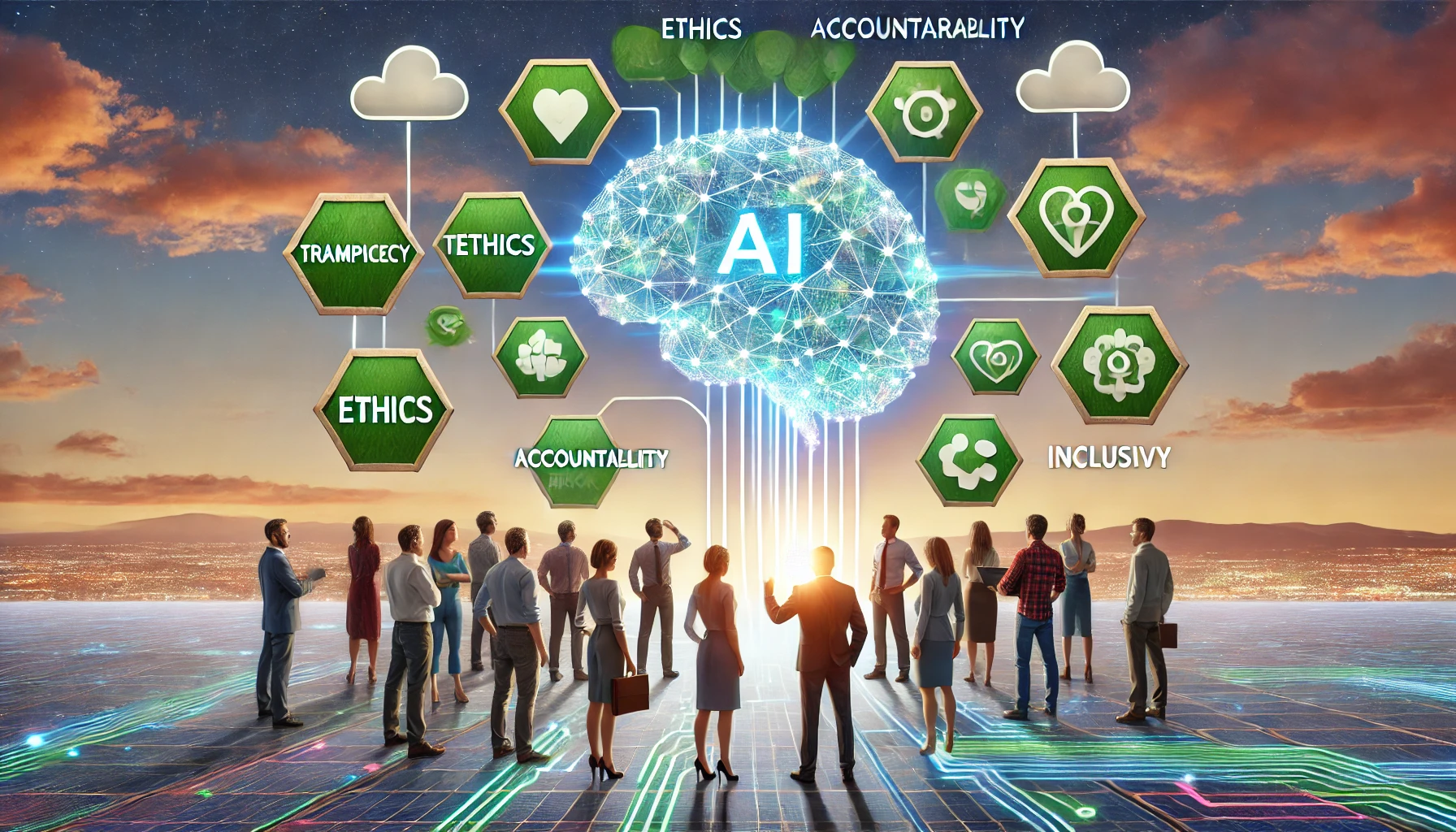
To foster a responsible AI ecosystem, India needs to:
-
Establish comprehensive regulations that govern AI systems and machine learning models.
-
Create AI governance bodies to oversee AI adoption in both the public and private sectors.
-
Ensure AI models undergo continuous monitoring to detect potential risks and biases.
Role of the Government and Private Sector
The government should work alongside international organizations to align AI regulations with global standards. The private sector must ensure AI solutions are built with a focus on fairness, explainability, and accountability.
Comparative Analysis of AI Regulation
Lessons from the European Union’s AI Act
The European Union’s AI Act provides one of the most comprehensive regulatory frameworks for AI governance. Key aspects include:
-
Categorizing AI risks into low, medium, and high categories.
-
Imposing transparency requirements on AI applications.
-
Enforcing penalties for non-compliance with ethical AI standards.
India’s Approach to AI Regulation
India can learn from the EU’s AI Act by developing a similar framework that prioritizes regulatory standards, risk assessment, and balancing innovation while ensuring fundamental rights.
Ensuring Transparency and Accountability
Building Trust in AI Systems
To build trust in AI-driven solutions, India must:
-
Establish AI regulatory bodies to ensure systems impact assessments.
-
Mandate AI transparency policies that allow users to understand AI decision-making.
-
Enforce ethical AI principles to align AI models with societal values.
Collaboration Between Stakeholders
Regulating AI requires collaboration between government agencies, private firms, academia, and civil society. International cooperation can also help India align its AI policies with global best practices.
Conclusion: Balancing Innovation with Ethical AI Regulation
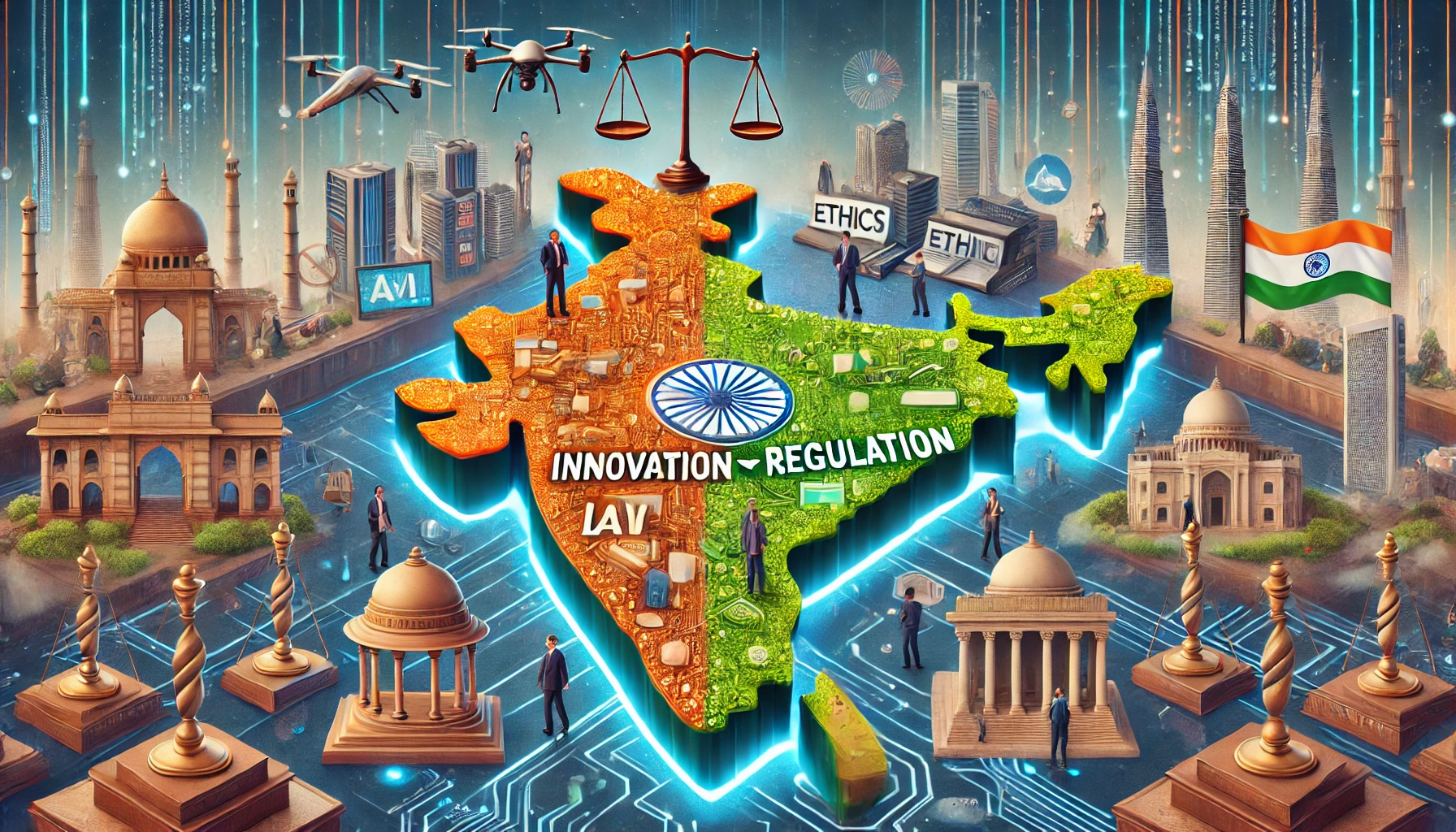
Navigating the AI ecosystem in India requires a balancing act between fostering innovation and ensuring ethical AI development. With the rapid growth of AI technologies, India must:
-
Implement comprehensive AI regulations that address ethical concerns and data privacy.
-
Strengthen governance frameworks to prevent potential risks associated with AI adoption.
-
Work with international organizations to develop global standards for responsible AI.
As India progresses towards becoming a global leader in AI, it must prioritize ethical AI principles and responsible development to ensure AI-driven growth benefits all sectors of society.
For further reading on AI regulations and governance frameworks, visit:
