

Introduction
In today’s rapidly evolving world, ensuring public safety and security has become a top priority for organizations and governments. With the advent of artificial intelligence (AI) and its integration into surveillance systems and security systems, we are witnessing a paradigm shift in how we approach threat detection, crime prevention, and overall security management. AI-powered surveillance systems are revolutionizing how security personnel operate, enabling them to identify and respond to potential threats in real-time proactively. In this blog post, we will explore the transformative power of AI in surveillance and other security applications and how it enhances public safety like never before.
Understanding AI in Surveillance and Security
At its core, AI in surveillance and security refers to applying advanced algorithms, machine learning, and computer vision techniques to analyze vast amounts of video data captured by surveillance cameras. These AI-powered surveillance video security systems go beyond traditional motion detection and simple rule-based alerts, leveraging the power of artificial intelligence to understand and interpret complex patterns, behaviours, and anomalies within the video footage.
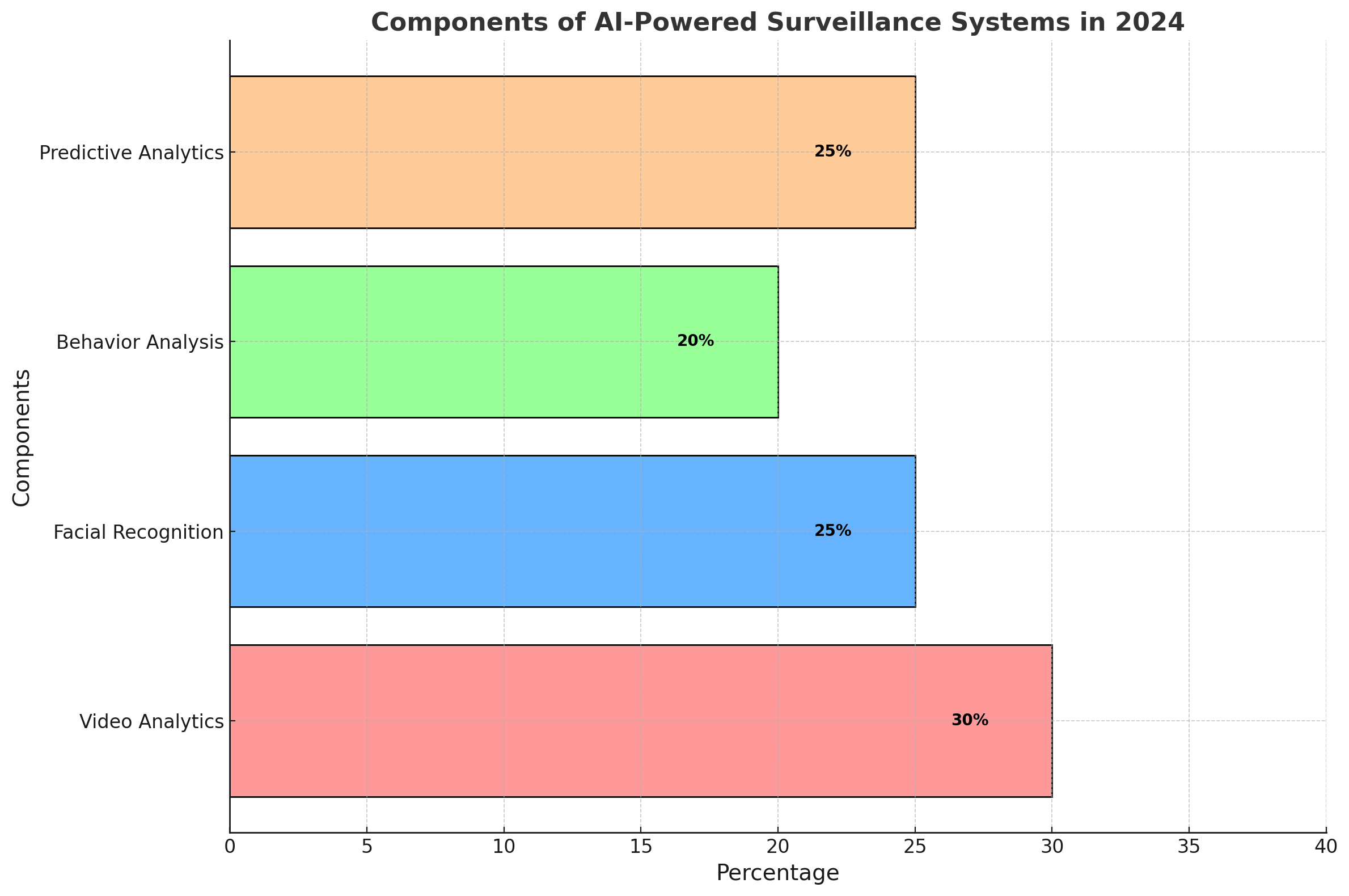
Critical components of AI-powered surveillance systems include:
- Video Analytics: AI algorithms can analyze video streams in real-time, detecting objects, individuals, and specific behaviours of interest.
- Facial Recognition Technology: AI-powered facial recognition enables the identification and tracking of individuals based on their facial features, facilitating faster response times and improved situational awareness.
- Behaviour Analysis: By studying human behaviour patterns, AI systems can identify suspicious activities, unusual crowd gatherings, and potential security breaches.
- Predictive Analytics: AI algorithms can learn from historical data and predict potential security threats, allowing for proactive measures to be taken.

Benefits of AI in Surveillance and Security
Enhancing Public Safety with AI-Powered Surveillance Systems
One of the primary benefits of AI in surveillance and security is its ability to significantly enhance public safety. Traditional surveillance systems and cameras often require manual monitoring by human operators, which can be prone to errors, fatigue, and missed events. However, AI-powered video analytics can tirelessly analyze video feeds 24/7, alerting security personnel to potential threats in real-time.
AI-powered surveillance systems enable proactive security measures by improving response time and accuracy. For example, suppose an AI system detects a suspicious individual or an unattended bag in a public area. In that case, it can immediately notify security teams, allowing them to assess the situation and take appropriate action. This proactive approach can help prevent incidents from escalating and minimize the impact of security breaches.
Moreover, AI algorithms can analyze historical data to identify patterns and trends, providing valuable insights for optimizing security strategies. By using behavioural analysis and understanding past incidents and behaviours, organizations can make data-driven decisions to allocate resources effectively and mitigate risks.
Streamlining Security Operations
Another significant benefit of AI in surveillance and security is its ability to streamline security operations. AI-powered systems can seamlessly integrate with physical security infrastructure, such as access control systems, alarm systems, and incident response protocols. This integration creates a comprehensive security ecosystem that enhances situational awareness and improves overall security management.
For instance, AI algorithms can automatically grant or deny access based on facial recognition, eliminating the need for manual checks and reducing the risk of unauthorized entry. In the event of a security or visual data breach, AI systems can quickly analyze video footage, identify the perpetrators, and provide critical information to aid in investigations and incident resolution.
By automating repetitive tasks and providing intelligent insights, AI-powered surveillance systems enable security personnel to focus on higher-level decision-making and strategic planning. This resource optimization leads to improved operational efficiency and strengthens an organization’s overall security posture.
Applications of Artificial Intelligence in Security
Object Recognition and Tracking
AI-powered video analytics excel in object recognition and tracking, offering a wide range of applications in the security domain. These systems can automatically detect and classify objects within video frames, such as vehicles, weapons, or suspicious packages. By setting predefined rules and triggers, security teams can receive instant alerts when specific objects are detected by AI in security itself, enabling rapid response to potential threats.
Object tracking capabilities allow AI systems to monitor the movement of individuals or vehicles across multiple camera feeds, providing a comprehensive view of their path and behaviour. This functionality is precious in large-scale video surveillance of scenarios, such as airports, shopping malls, or city-wide monitoring, where manual tracking would be impractical.
Facial Recognition Technology
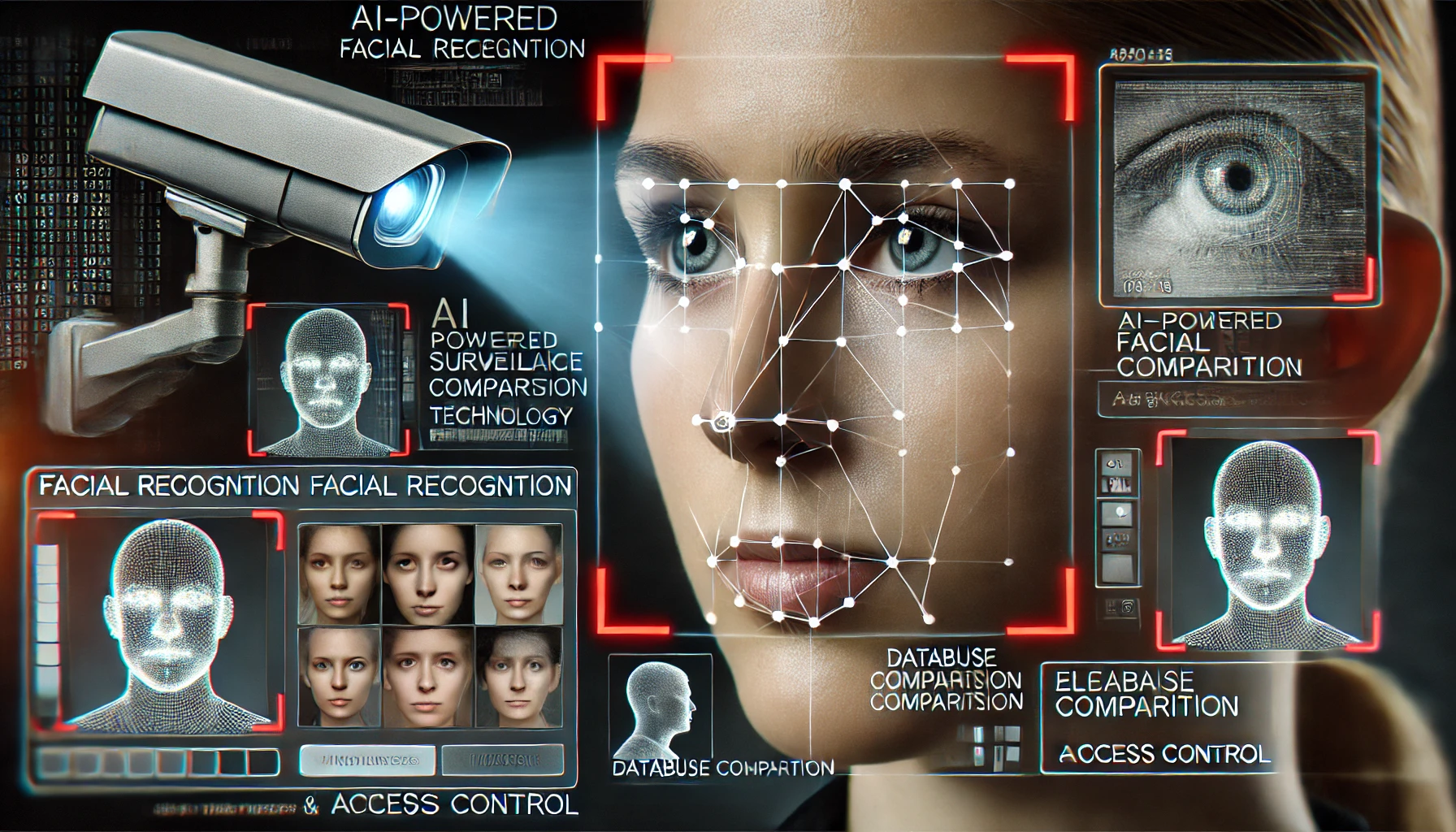
Facial recognition technology, powered by AI, has emerged as a game-changer in the security and surveillance industry. By analyzing facial features and comparing them against databases of known individuals, AI systems can quickly identify and verify the identity of people within a surveillance feed.
This technology has numerous applications, including:
- Access Control: AI-powered facial recognition can grant or deny access to restricted areas based on an individual’s identity and access privileges.
- Watchlist Monitoring: Security personnel can create watchlists of persons of interest, such as known criminals or suspected terrorists, and receive alerts when the AI system detects them.
- Crowd Management: Facial recognition can help monitor crowd movements and identify individuals who may pose a security risk, such as those with a history of violence or disruptive behaviour.
However, addressing the privacy concerns and ethical considerations associated with facial recognition technology is crucial. Organizations must adhere to strict guidelines and regulations to ensure the responsible use of this powerful tool.
Autonomous Surveillance Drones
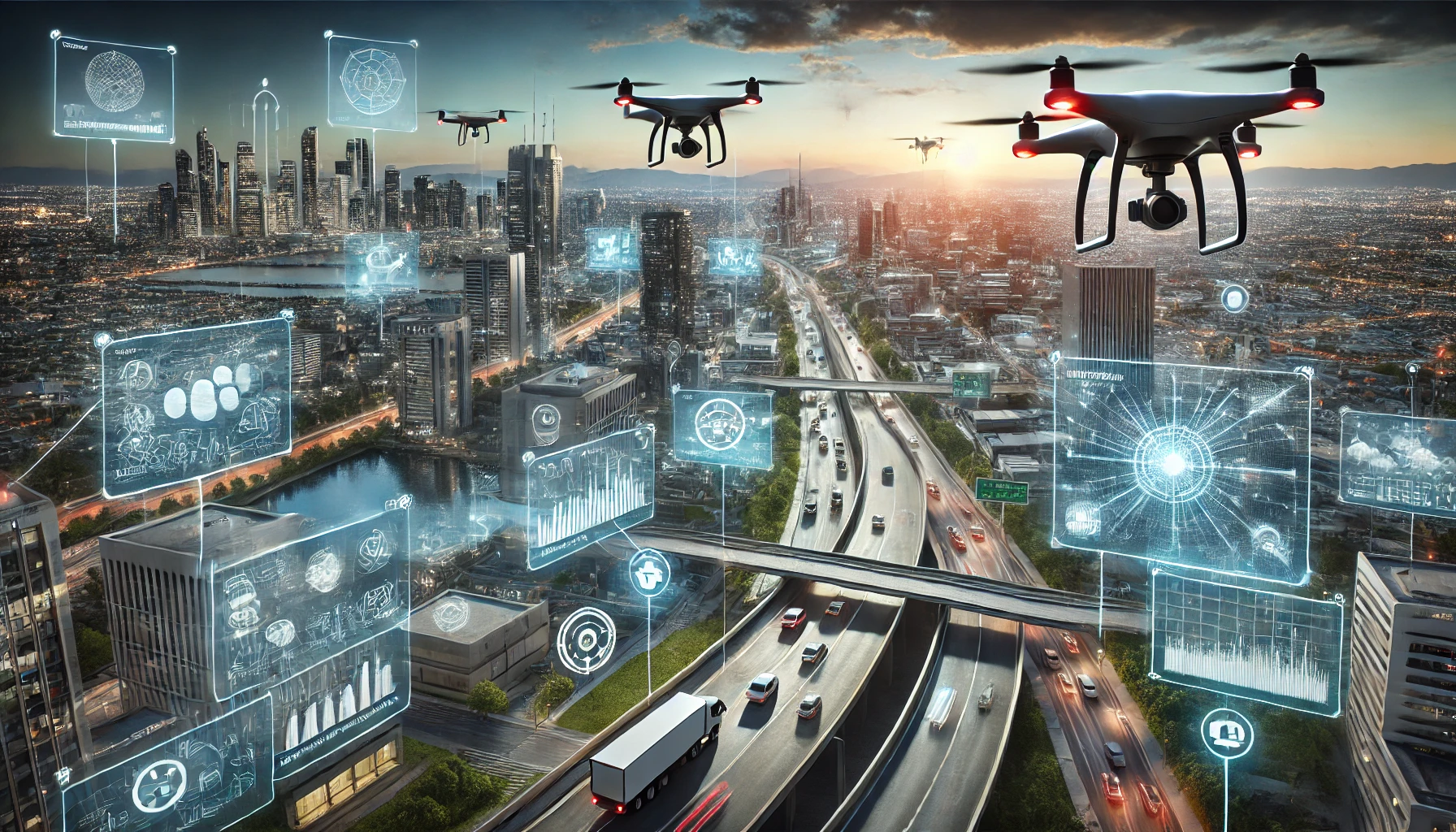
Integrating AI with autonomous surveillance drones has opened up new possibilities for enhancing security measures in large or remote areas. These AI-powered drones can navigate predetermined routes, detect anomalies, and provide real-time video feeds to security cameras and personnel.
Key benefits of autonomous surveillance drones include:
- Broader Coverage: Drones can cover vast areas quickly, providing a bird’s eye view of the surveillance zone and identifying potential security breaches.
- Faster Response Times: Drones can significantly reduce response times to critical events by rapidly deploying and reaching remote locations.
- Enhanced Situational Awareness: AI algorithms can analyze drone footage in real-time, detecting suspicious activities and providing valuable insights to security teams.
Autonomous surveillance drones are instrumental in monitoring critical infrastructure, such as power plants, oil refineries, and borders, where human patrols may be challenging or dangerous.
Real-World Examples of AI Surveillance in Action
Successful Implementations
Several organizations across various industries have successfully implemented AI in their surveillance and security systems, reaping the benefits of enhanced threat detection, improved efficiency, and proactive security measures. Here are a few notable examples:
- Changi Airport, Singapore: Changi Airport has deployed an AI-powered surveillance system that utilizes facial recognition and behaviour analysis to identify potential security threats. The system alerts security personnel in real-time, allowing for swift response and incident prevention.
- City of Detroit, Michigan: The city of Detroit has implemented an AI-powered video analytics system called Project Green Light. This system monitors high-crime areas and alerts law enforcement agencies to suspicious activities. It has helped reduce crime rates and improve public safety.
- Walmart: Walmart has deployed AI-powered cameras and video analytics in its stores to monitor checkout lines, detect potential theft, and ensure a safe shopping experience for customers. The system can also analyze foot traffic patterns and optimize store layouts efficiently.
These real-world examples demonstrate the tangible benefits of AI in surveillance and security, showcasing AI solutions that allow organizations to leverage advanced technologies to enhance public safety and streamline security operations.
Challenges and Limitations of AI in Surveillance and Security

While AI offers unprecedented capabilities in surveillance and security, it is essential to acknowledge the challenges and limitations associated with its implementation. Some of the key concerns include:
- Privacy Concerns and Ethical Dilemmas: The use of AI in surveillance, particularly facial recognition technology, raises significant privacy concerns. Organizations must balance security needs and individual privacy rights, ensuring transparent and responsible data collection and usage practices.
- Data Security and Integrity: AI systems rely on vast amounts of sensitive data, so ensuring the security and integrity of that data becomes paramount. Organizations must implement robust cybersecurity measures to protect against data breaches and unauthorized access.
- Technical Challenges and Limitations: AI algorithms are not infallible and can sometimes produce false positives or miss critical events. Training and refining AI models is crucial to improve accuracy and minimize errors.
- Responsible Use and Governance: Establishing clear guidelines, policies, and governance frameworks is essential to ensure AI’s ethical and responsible use in surveillance and security. Organizations must be transparent about their AI deployment and provide appropriate oversight and accountability mechanisms.
Addressing these challenges requires collaboration between technology providers, policymakers, security professionals, and organizations implementing AI surveillance solutions. By proactively addressing these concerns, we can harness the power of AI while safeguarding individual rights and maintaining public trust.
The Future of AI in Surveillance and Security
As AI technologies advance rapidly, the future of surveillance and security looks increasingly promising. Emerging trends and innovations in the field include:
- Edge Computing: Integrating AI capabilities directly into surveillance devices, such as cameras and sensors, enables real-time processing and decision-making at the edge, reducing latency and improving response times.
- Multi-Modal AI: Combining multiple data sources, such as video, audio, and sensor data, allows a more comprehensive understanding of the surveillance environment, enabling better threat detection and situational awareness.
- Predictive Analytics: As AI algorithms become more sophisticated, they can analyze historical data to predict potential security threats and proactively recommend preventive measures.
- Integration with Other Technologies: The convergence of AI with other technologies, such as the Internet of Things (IoT), blockchain, and 5G networks, will create new opportunities for enhanced surveillance and security solutions.
The potential impact of AI on various industries is immense. From smart cities and transportation systems to healthcare and retail, AI-powered surveillance and security solutions will ensure public safety, optimise operations, and drive innovation.
Implementing AI in Your Surveillance and Security Strategy
If you are considering implementing AI in your organization’s surveillance, risk management and security strategy, here are some key steps to follow:
- Assess Your Organization’s Needs and Readiness: Evaluate your security infrastructure, identify areas where AI can provide the most value, and assess your organization’s readiness regarding data availability, technical expertise, and budget.
- Choose the Right AI-Powered Surveillance Solutions: Research and compare different AI surveillance solutions in the market, considering factors such as scalability, integration capabilities, and vendor support.
- Integrate with Existing Security Systems: Ensure the AI solution can seamlessly integrate with your existing security systems, such as video management systems (VMS), access control systems, and incident response platforms.
- Train and Adapt Security Personnel: Provide adequate training to your security personnel on effectively utilising AI-powered tools and interpreting the insights generated. Foster a culture of continuous learning and adaptation to maximize the benefits of AI in your security operations.
- Establish Governance and Ethical Guidelines: Develop clear policies and guidelines for the responsible use of AI in surveillance, addressing privacy concerns, data security, and ethical considerations. Regularly review and update these guidelines to keep pace with evolving technologies and regulations.
By following these steps and collaborating with experienced technology partners, organizations can successfully integrate AI into their surveillance capabilities and security strategies, unlocking new levels of efficiency, accuracy, and proactive threat detection.
Conclusion
The power of AI in enhancing public safety and security cannot be overstated. Organizations can transform their security operations and proactively address potential threats by leveraging advanced technologies like video analytics, facial recognition, behaviour analysis, and autonomous surveillance drones. AI-powered surveillance systems enable faster response times, improved situational awareness, and data-driven decision-making, ultimately creating safer environments for everyone.
However, as we embrace AI’s benefits in surveillance and security, we must also navigate the challenges and ethical considerations that come with its deployment. Striking the right balance between security needs and individual privacy rights, ensuring data security and integrity, and establishing responsible governance frameworks are critical to successfully implementing AI surveillance solutions.
As we move forward, the future of AI in surveillance and security looks incredibly promising. With ongoing advancements in AI technologies and increasing adoption across various industries, we can expect to see even more innovative solutions that enhance public safety, optimize security operations, and contribute to society’s overall well-being.
By staying informed about the latest developments in AI surveillance and security and by proactively addressing the challenges and opportunities that arise, organizations can position themselves at the forefront of this transformative technology, reaping the benefits of enhanced security and public safety in the years to come.
FAQs about AI in Surveillance and Security
- What is AI in surveillance and security? AI in surveillance and security refers to applying artificial intelligence technologies, such as machine learning, computer vision, and predictive analytics, to enhance the capabilities of surveillance systems and security operations.
- How does AI improve surveillance and security? AI improves surveillance and security by enabling real-time threat detection, facial recognition, behaviour analysis, and predictive analytics. It can analyze vast amounts of video data, identify suspicious activities, and alert security personnel to threats, improving response times and situational awareness.
- What are some typical applications of AI in surveillance and security? Common applications of AI in surveillance and security include object recognition and tracking, facial recognition for access control and watchlist monitoring, behaviour analysis for anomaly detection, and autonomous surveillance drones for broader coverage and faster response times.
- Are there any privacy concerns associated with AI in surveillance? Yes, using AI in surveillance, particularly facial recognition technology, raises privacy concerns. Organizations must adhere to strict guidelines and regulations to ensure the responsible and transparent use of AI, protecting individual privacy rights while maintaining security needs.
- How can organizations implement AI in their surveillance and security strategies? To implement AI in these strategies, organizations should assess their needs and readiness, choose the right AI-powered solutions, integrate with existing security systems, train and adapt security personnel, and establish governance and ethical guidelines for responsible AI deployment.
- What does the future hold for AI in surveillance and security? The future of AI in surveillance and security is promising, with ongoing advancements in edge computing, multi-modal AI, predictive analytics, and integration with other technologies. AI will continue transforming various industries, enhancing public safety, optimizing operations, and driving innovation.
Can you be more specific about the content of your article? After reading it, I still have some doubts. Hope you can help me.