

“Their alleged scheme calls the very integrity of the blockchain into question.” — U.S. Attorney Damian Williams :contentReference[oaicite:0]{index=0}
The Heist: 12 Seconds That Shook Ethereum
In April 2023, two brothers—Anton and James Peraire-Bueno—allegedly carried out a bold exploit that transferred $25 million in Ethereum from unsuspecting traders in a mere 12 seconds. Both James Peraire Bueno earned and Anton Peraire Bueno earned advanced degrees at MIT, highlighting their technical expertise. The brothers studied at the Massachusetts Institute of Technology, one of the most prestigious universities, with backgrounds in mathematics, computer science, and aerospace engineering. :contentReference[oaicite:1]{index=1}
According to the indictment, the brothers, both MIT-educated in mathematics and computer science, used their technical skills to fraudulently gain access to certain transactions and manipulate pending private transactions on the Ethereum cryptocurrency blockchain. The Peraire Buenos are MIT-educated brothers accused of orchestrating the heist, employing cutting edge technology to exploit vulnerabilities in the Ethereum cryptocurrency network. :contentReference[oaicite:2]{index=2}
Here’s how prosecutors allege they pulled it off:
-
Bait Transactions & Bot ProfilingThe brothers created “bait” trades to study and lure automated MEV (Maximal Extractable Value) bots, which compete to exploit transaction orderings. :contentReference[oaicite:3]{index=3}
-
Validator Control & Block ManipulationThey deployed multiple Ethereum validator nodes. When one of their validators was selected to propose a block, they used that block-building power to reorder or re-sign transactions in a way that redirected value to themselves by fraudulently gaining access to the Ethereum cryptocurrency network and targeting certain transactions. :contentReference[oaicite:4]{index=4}
-
Altering Pending TransactionsBy tampering with pending (not-yet-finalized) transaction data, they replaced what victim traders expected to receive with worthless or illiquid assets—essentially a “bait-and-switch” of crypto, impacting victims cryptocurrency. :contentReference[oaicite:5]{index=5}
-
Money Laundering & ConcealmentAfter the exploit, they allegedly refused to return funds and used shell companies, multiple private cryptocurrency addresses, and foreign cryptocurrency exchanges as part of a money laundering scheme to launder and hide their stolen funds. :contentReference[oaicite:6]{index=6}
This alleged scheme, prosecutors say, was first-of-its-kind—no previous case had charged someone for tampering with pending blockchain transactions in this manner. The scheme resulted in stealing 25 million in cryptocurrency from victim traders and victims cryptocurrency, impacting the broader cryptocurrency markets. The 25 million in cryptocurrency stolen funds were laundered through various means. :contentReference[oaicite:7]{index=7}
Consequences & Wire Fraud Charges
The legal stakes for Anton and James are steep. The brothers face multiple charges after being arrested by federal authorities in May 2024. They have been charged with:
-
Conspiracy to commit wire fraud
-
Wire fraud
-
Conspiracy to commit money laundering
-
Money laundering :contentReference[oaicite:8]{index=8}
Each count carries a maximum 20-year prison sentence if convicted. :contentReference[oaicite:9]{index=9}
In May 2024, federal authorities arrested Anton in Boston and James in New York, and unsealed the indictment. The brothers arrested are accused of alleged crimes involving manipulation of the Ethereum blockchain and theft of cryptocurrency. Justice prosecutors from the Department of Justice brought the case, highlighting the federal commitment to prosecuting high-profile crypto crimes. The Internal Revenue Service and IRS agents played a key role in investigating the alleged crimes, working alongside other law enforcement agencies.
Damian Williams, U.S. Attorney for the Southern District of New York, emphasized that the scheme “calls the very integrity of the blockchain into question.” :contentReference[oaicite:11]{index=11} Deputy Attorney General Lisa Monaco echoed this, stating the DOJ remains committed to rooting out crypto fraud and supporting victims.
The attorney’s office and attorneys for the brothers are actively involved in the ongoing legal proceedings, ensuring due process in this complex case.
In mid-2025, a court denied the defense’s motion to dismiss the charges, ruling that existing federal statutes like wire fraud can encompass novel blockchain exploit schemes. The pursuit of justice in this high-profile case underscores the seriousness with which authorities address emerging threats in the cryptocurrency space. :contentReference[oaicite:13]{index=13}
Impact & Aftermath: Why This Case Matters

1. A Legal Test Bed for DeFi Exploits
This case forces courts to interpret how classic laws like wire fraud and money laundering apply to DeFi / blockchain-native schemes. The court’s rejection of dismissal suggests that even novel exploits can be prosecuted under traditional statutes. :contentReference[oaicite:14]{index=14}
2. Blurring Lines Between Exploit and Fraud
Some in the crypto community argue that what the Peraire-Bueno brothers did—“baiting bots,” front-running, and block manipulation—is not inherently illegal, but an outcome of protocol mechanics. Others say it’s clear fraud. :contentReference[oaicite:15]{index=15}
“There’s no central authority … and there’s no government regulation,” claimed defense attorney Patrick Looby in court. :contentReference[oaicite:16]{index=16}
3. Erosion of Trust in “Immutable” Systems
If arbitrageurs or bots can be tricked into losing funds, and pending transaction data can be manipulated, users may dread that blockchain immutability is more brittle than assumed.
4. Precedent Risk Across Platforms
Though this is an Ethereum case, other EVM chains and DeFi systems may feel the ripple effect. Developers, validators, and relayers will be scrutinized for protocol vulnerabilities.
5. Stricter Compliance & Monitoring
Protocols may adopt stricter transaction privacy, front-running protection, and block builder accountability. Regulators may push for on-chain transparency requirements and third-party auditing.
Deep Dive: Key Concepts You Should Know
|
Term |
Definition |
Why It Matters in This Case |
|---|---|---|
|
MEV (Maximal Extractable Value) |
The profit that can be extracted by reordering, inserting, or omitting transactions within a block |
The brothers allegedly manipulated MEV flows by controlling validator nodes and structuring bait trades. :contentReference[oaicite:17]{index=17} |
|
Mempool / Pending Transactions |
The pool of unconfirmed transactions visible to the network before being included in blocks |
The exploit hinged on accessing and altering pending transactions. :contentReference[oaicite:18]{index=18} |
|
Front-running / Sandwich Attacks |
Techniques where a bot places buy or sell orders around another’s trade to profit |
The indictment describes the exploit as reversing or redirecting such attacks. :contentReference[oaicite:19]{index=19} |
|
Wire Fraud Statute |
U.S. law criminalizing schemes to obtain money via false or fraudulent pretenses through interstate communications |
Prosecutors argue that the Peraire-Bueno actions fall under it, even if executed via code. :contentReference[oaicite:20]{index=20} |
Questions & Arguments: Defense vs. Prosecution
Defense’s Position
-
The brothers didn’t communicate directly with victims; thus, no promise or representation was made. :contentReference[oaicite:21]{index=21}
-
They exploited weaknesses in open-source software—“code is law” — so they acted within the system’s rules. :contentReference[oaicite:22]{index=22}
-
MEV bots themselves engage in aggressive trading strategies; why criminalize one side?
-
They lacked fair notice that such conduct could be criminal. :contentReference[oaicite:23]{index=23}
Prosecution’s Case
-
The bait transactions and false block signatures are material misrepresentations, satisfying fraud elements. :contentReference[oaicite:24]{index=24}
-
Even though it’s a novel scheme, the wire fraud statute is broad enough to adapt. :contentReference[oaicite:25]{index=25}
-
Their planning, obfuscation, and refusal to return funds show intent and bad faith. :contentReference[oaicite:26]{index=26}
The court already rejected attempts to dismiss charges, signaling it views the facts as sufficient to proceed. :contentReference[oaicite:27]{index=27}
Broader Implications & Takeaways for DeFi
-
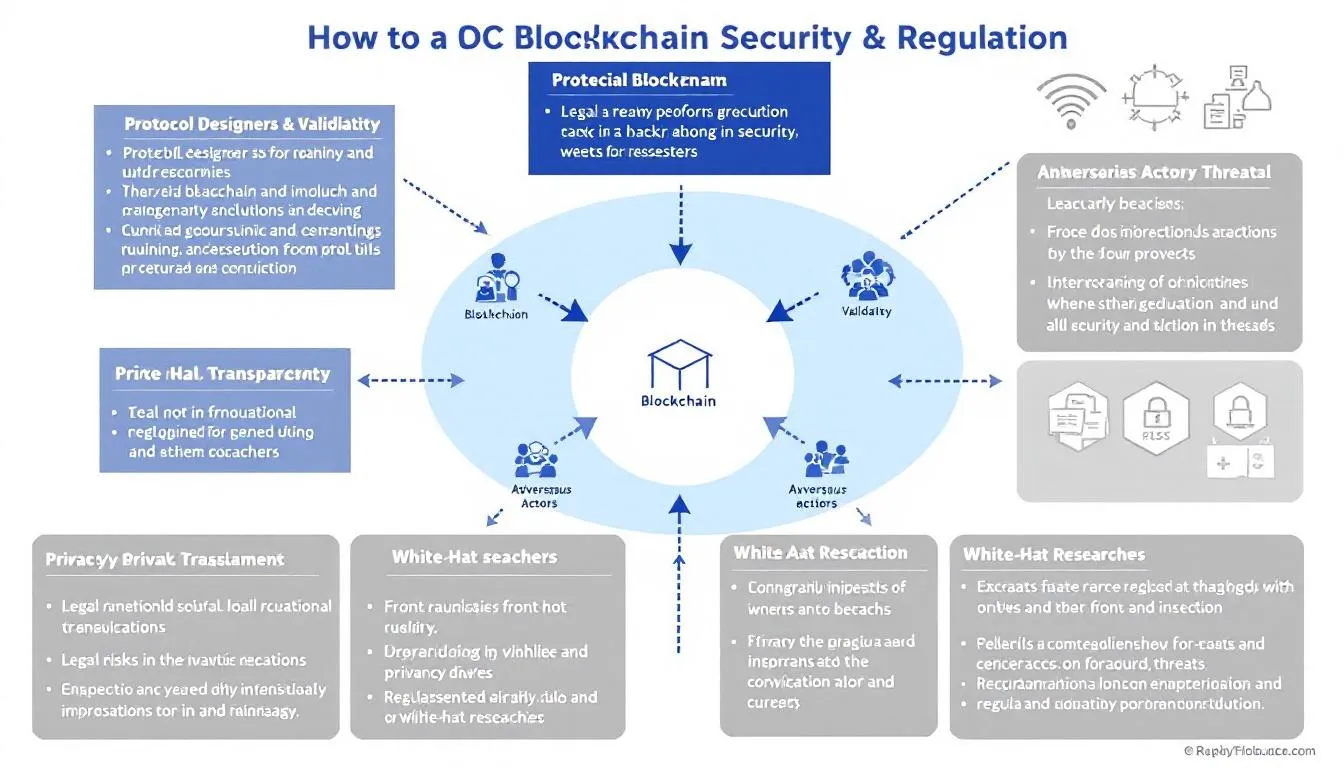
Protocol designers and validators must assume potential adversarial manipulation, not just naive attacks.
-
Transparency, front-running protection, and privacy routing will grow in importance.
-
Legal risk for white-hat researchers rises: is probing vulnerabilities now actionable crime?
-
Regulators might push for stricter rules across all blockchains, not just Ethereum.
-
Users may demand insurance, proof-of-audit, or safer execution venues for big trades.
Final Thoughts
The case of Anton and James Peraire-Bueno is more than a dramatic headline—it’s a turning point in how we define crime in a permissionless world. The trial will test whether speed, algorithmic cleverness, or protocol edge can cross into criminal liability.
If convicted, this case may rewrite what DeFi operators and developers consider safe behavior. And even if the verdict is acquittal, the chilling message is clear: the legal gray zone around blockchain exploits and MEV is narrowing fast.
