
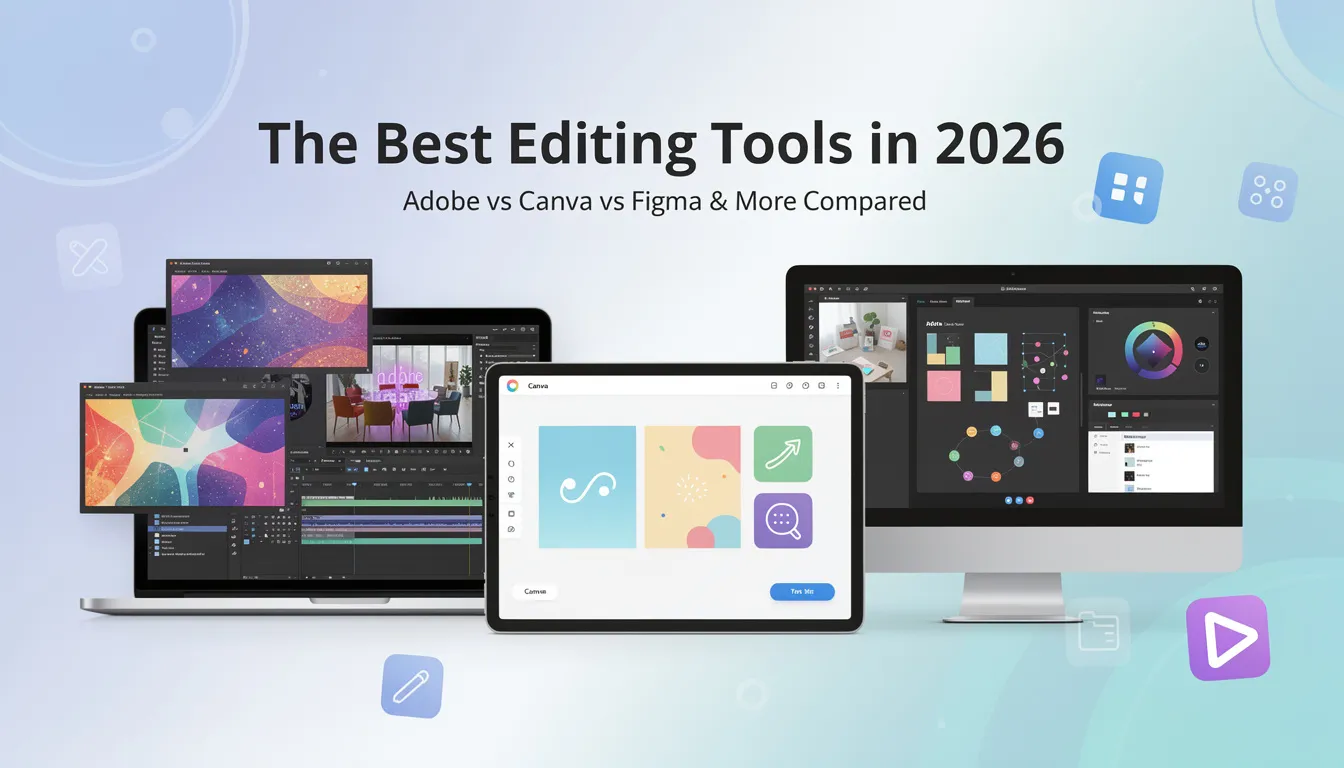
Introduction to Design Tools
-
Introduction to the world of design tools and software – Explore the best editing tools in 2026, including Adobe, Canva, and Figma, to create stunning visuals and professional-quality graphics.
-
Overview of the importance of design tools for professional designers and non-designers – Discover how design tools can enhance your creative workflow and productivity.
-
Brief overview of the main design tools and platforms covered – Learn about the key features and capabilities of Adobe, Canva, and Figma.
Design Software and Platforms
Overview of Design Platforms
When comparing the best editing tools in 2026—Adobe Creative Cloud, Canva, and Figma—it’s important to consider the unique strengths and target audiences of each platform. Adobe Creative Cloud and Figma are tailored for professional design and interface design, making them the go-to choices for experienced designers, UI/UX professionals, and digital product teams who require advanced features, workflow management, and collaborative capabilities. In contrast, Canva is ideal for teams without dedicated designers due to its simple interface and vast library of templates, making it accessible for beginners and non-designers.
Canva stands out for its generous free plan and affordable paid plans, providing access to a huge template library and a vast collection of stock assets. Its interface is designed for absolute beginners, guiding users through the design process with templates and a drag-and-drop editor, which enables users to create polished visuals quickly and easily. Both Canva and Figma offer a free version, but their features and limitations differ significantly—Canva’s free plan is particularly generous for casual users, while Figma’s free version is more focused on collaborative interface design with some restrictions on project limits.
Adobe Creative Cloud remains the industry standard for professional design, offering a comprehensive suite of tools for everything from photo editing to advanced interface design. Figma excels in collaborative interface design, making it a top choice for teams working on digital products and UI/UX projects.
In summary, Adobe and Figma cater to professional and interface design needs, while Canva is best suited for individuals and teams seeking an easy-to-use platform with a huge template library and a robust free plan. Consider your team’s expertise and project requirements to choose the platform that best fits your needs.
Overview of Design Tools
The world of design tools has never been more dynamic, offering solutions for everyone from professional designers to those just starting out. Today’s design tools range from basic editing software to advanced platforms packed with powerful features. Adobe tools, such as Adobe Photoshop, remain the industry standard for professionals seeking advanced features and precision. For those who prioritize collaboration, platforms like Canva and Figma shine with real-time collaboration features, enabling multiple designers to work together seamlessly on projects. Non-designers can also jump into the creative process with user-friendly options like Adobe Express, which offers a drag-and-drop interface and a massive template library to get started quickly. Whether you’re creating social media graphics, marketing materials, or professional-quality visuals, there’s a design tool tailored to your needs.
Advanced Features and Capabilities
Advanced Features in Adobe Photoshop
Adobe Photoshop stands out for its advanced features, offering a comprehensive suite of editing tools for professionals and enthusiasts alike. Its AI-powered capabilities, such as the innovative “Generative Fill” in Photoshop and “Generative Extend” in Premiere Pro, enable users to automate complex edits and expand creative possibilities. These generative AI features set Photoshop apart from many competitors, making it a leader in AI-driven productivity.
When comparing Adobe Photoshop to other Adobe tools like Adobe Express and Illustrator, it’s important to note that Adobe Express integrates Adobe Stock—a premium library of high-quality, professional assets including images, videos, and graphics. This extensive selection gives users access to a vast array of creative resources directly within the platform, surpassing the asset libraries of many other editing tools like Canva.
Adobe’s suite in 2026 is defined by its focus on high-end creative control and advanced AI-driven productivity, catering to users who demand precision and flexibility in their design work.
While Adobe Photoshop does have a steeper learning curve compared to more beginner-friendly tools, mastering it unlocks unparalleled editing power. To overcome this, take advantage of Adobe’s tutorials, community forums, and practice with real-world projects to build confidence and proficiency.
Design Tool Comparison
Canva vs Figma
-
Comparison of Canva and Figma, including their features, pricing, and target audience – Find out which design tool is best for your business or personal needs.
-
Discussion of the pros and cons of each tool, including their ease of use and advanced features – Learn about the strengths and weaknesses of Canva and Figma.
-
Overview of the graphic design software market and how Canva and Figma fit into it – Discover the latest trends and developments in the graphic design software market.
Adobe Creative Cloud and Express
Overview of Adobe Creative Cloud
Adobe Creative Cloud is a comprehensive suite of tools designed for creative professionals and teams. Its ecosystem includes industry-leading apps like Photoshop, Illustrator, Adobe Express, and Adobe XD, each tailored for specific design needs. Whether you’re editing photos, creating vector graphics, or designing layouts, there’s an Adobe app to match your workflow.
One of the standout features of Adobe Creative Cloud is its seamless integration between apps. For example, Adobe XD integrates effortlessly with other Adobe apps such as Photoshop and Illustrator, allowing teams to collaborate efficiently on UI and UX design projects. This interconnected workflow streamlines asset sharing and editing, making it easier to manage complex projects across different creative disciplines.
Adobe Creative Cloud also supports team collaboration and asset management through shared libraries, cloud storage, and real-time co-editing. These features help teams stay organized and ensure everyone is working with the latest assets, ultimately enhancing productivity and consistency throughout the design process.
Adobe Express and Illustrator
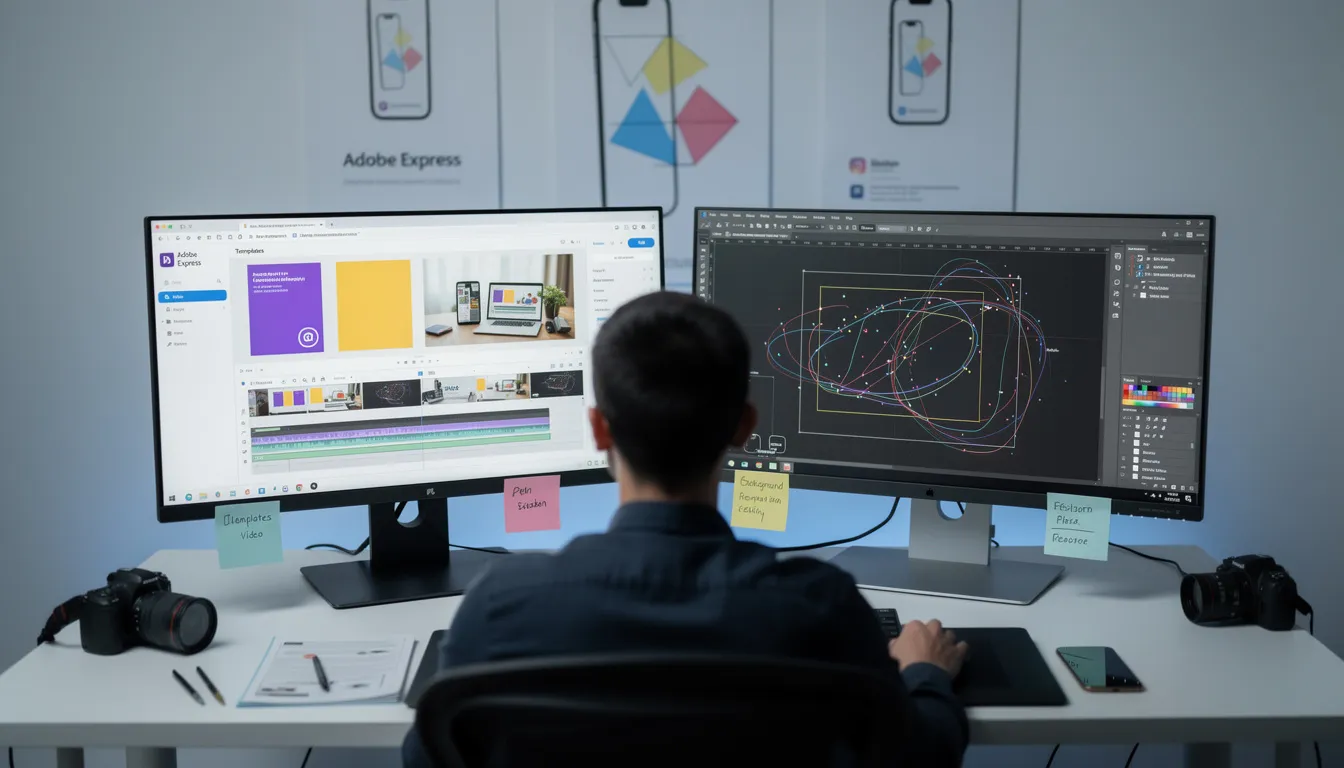
In-depth look at Adobe Express and Illustrator, including their features and capabilities – Learn about the latest advancements in Adobe Express and Illustrator.
Adobe Express and Illustrator continue to evolve with powerful features for designers and content creators. Both tools offer advanced design capabilities, with Adobe Express providing easy-to-use templates and quick editing options, while Illustrator excels in vector graphics and professional illustration. Notably, Adobe Express now includes robust video editing features, such as background removal, resizing, and tools for creating dynamic visual content, making it a versatile choice for multimedia projects.
Comparison of Adobe Express and Illustrator with other design tools, such as Canva and Figma – Find out which design tool is best for your needs.
When compared to other design tools like Canva and Figma, Adobe Express and Illustrator stand out for their comprehensive feature sets. Canva also offers integrated video editing, allowing users to remove backgrounds, resize videos, and produce engaging visual content directly within the platform. Figma, while primarily focused on collaborative interface design, is less equipped for video editing tasks. This makes Adobe Express and Canva particularly strong options for users who need both graphic and video editing capabilities in one platform.
Discussion of the benefits and drawbacks of using Adobe Express and Illustrator – Get tips and tricks for getting the most out of Adobe Express and Illustrator.
The main benefits of using Adobe Express and Illustrator include their extensive design tools, integration with the Adobe ecosystem, and the addition of video editing features for creating dynamic content. However, users may find the learning curve steeper compared to simpler platforms. To maximize productivity, take advantage of built-in video editing tools like background removal and resizing, and explore templates that streamline both graphic and video content creation.
Figma vs Other Design Tools
Figma and Design Systems
When comparing the best editing tools in 2026—Adobe, Canva, Figma, and more—it’s important to consider how each platform addresses interface design and prototyping. Adobe XD and Sketch are both strong contenders in this area, with Adobe XD Sketch integration offering seamless workflows for businesses already using Adobe products. Sketch, in particular, is renowned for its extensive plugin ecosystem, which greatly enhances its flexibility and functionality for both individual designers and teams.
Figma stands out for its collaborative features and robust handoff tools for developers, making it a top choice for teams working remotely or across different locations. However, unlike some competitors, Figma lacks a built-in stock imagery library, which may require users to source images externally.
Figma’s design systems allow users to create reusable components, streamlining the design process and ensuring consistency across projects. This is especially beneficial for teams looking to maintain a unified brand identity.
Additionally, Figma’s real-time collaboration features enable multiple team members to work on the same project simultaneously, improving communication and efficiency throughout the design workflow.
Design Tool and Software
Design Tool for Small Businesses
-
Overview of the best design tools for small businesses, including Canva and Adobe Express – Find out which design tool is best for your small business.
-
Discussion of the features and benefits of each tool, including their ease of use and affordability – Learn about the latest advancements in design tools for small businesses.
-
Explanation of how these tools can be used to create professional-quality graphics and social media posts – Get tips and tricks for creating stunning visuals with Canva and Adobe Express.
Design Software for Large Enterprises
-
Overview of the best design software for large enterprises, including Adobe Creative Cloud and Figma – Find out which design software is best for your large enterprise.
-
Discussion of the features and benefits of each software, including their collaboration features and asset management – Learn about the latest advancements in design software for large enterprises.
-
Explanation of how these software can be used to create complex designs and interactive prototypes – Discover how to use design software to streamline your design workflow.
Conclusion and Recommendation
Final Verdict
-
Summary of the key points and takeaways from the comparison of design tools – Find out which design tool is best for your needs.
-
Final recommendation for the best design tool based on the user’s needs and goals – Get a personalized recommendation for the best design tool.
-
Discussion of the importance of choosing the right design tool for your business or personal needs – Learn about the benefits of using the right design tool.
Additional Resources
-
List of additional resources, including tutorials and online courses, for learning more about design tools – Find out how to learn more about design tools and software.
-
Overview of the design industry and the latest trends and developments – Discover the latest advancements in the design industry.
-
Discussion of the future of design tools and how they will continue to evolve – Learn about the future of design tools and software.
Future of Design Tools
Emerging Trends and Technologies
-
Overview of the emerging trends and technologies in design tools, including AI and cloud storage – Find out about the latest advancements in design tools.
-
Discussion of how these trends and technologies will impact the design industry – Learn about the future of the design industry.
-
Explanation of how designers can stay ahead of the curve and adapt to these changes – Get tips and tricks for staying ahead of the curve in the design industry.
Design Platform and Systems
Design Platform for Collaboration
-
Overview of the best design platforms for collaboration, including Figma and Adobe Creative Cloud – Find out which design platform is best for collaboration.
-
Discussion of the features and benefits of each platform, including their real-time collaboration features – Learn about the latest advancements in design platforms for collaboration.
-
Explanation of how these platforms can be used to create interactive prototypes and design systems – Discover how to use design platforms to streamline your design workflow.
Design Systems for Productivity
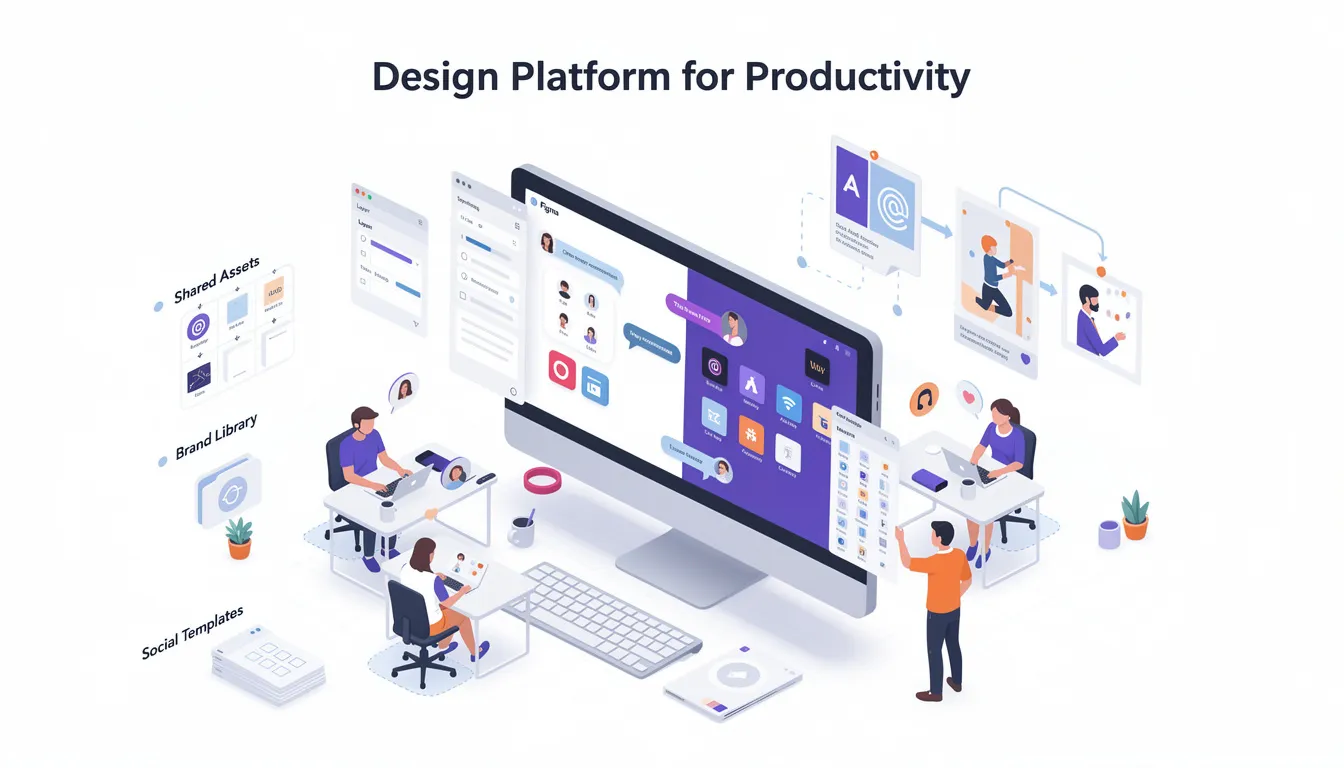
Design systems are essential for boosting productivity, especially when working in teams. Tools like Figma and Canva make it easy to create and reuse components, ensuring consistency across all your projects. The Adobe Creative Cloud ecosystem further enhances productivity by offering a suite of tools, including Adobe Fonts, that help designers create stunning visuals efficiently. AI-powered tools, such as background removal and AI suggestions, streamline repetitive tasks and free up time for creative thinking. With robust cloud storage and asset management features, design teams can keep all their design elements organized and accessible, making collaboration smoother and more effective. By leveraging these systems, designers can focus on innovation and high-level creativity, rather than getting bogged down by routine work.
Design Systems for Collaboration
Collaboration is a cornerstone of modern design, and today’s design tools are built to support teamwork at every stage. Figma leads the way with real-time collaboration features, allowing multiple designers to contribute to a project simultaneously, no matter where they are. Canva also supports team efforts with tools like brand kits and an extensive template library, making it easy to maintain a consistent brand style across social media posts and marketing materials. Other popular tools, such as Adobe XD and Sketch, offer collaboration features that help teams create professional-quality graphics together. Choosing the right design tool with robust collaboration features ensures that teams—whether small businesses or large enterprises—can efficiently produce high-impact visuals and marketing content.
Final Thoughts
Key Takeaways
Selecting the right design tool comes down to understanding your team’s needs, skill levels, and project goals. Canva and Figma are versatile options, catering to both non-designers and professional designers with their intuitive interfaces and powerful features. Adobe Creative Cloud, with tools like Adobe Photoshop and Adobe Illustrator, is ideal for those seeking advanced features and professional-grade results. For small teams and businesses, user-friendly platforms like Adobe Express and Canva offer accessible entry points, complete with extensive template libraries and easy-to-use interfaces. Ultimately, the best design tool is the one that aligns with your specific requirements and helps your team achieve its creative vision.
Next Steps
-
List of next steps for designers who want to learn more about design tools and software – Find out how to learn more about design tools and software.
-
Overview of the resources and support available for designers, including tutorials and online courses – Discover the latest resources and support available for designers.
-
Discussion of the importance of staying up-to-date with the latest trends and developments in the design industry – Learn about the benefits of staying ahead of the curve in the design industry.
Additional Tips and Tricks
Tips for Using Design Tools
-
List of tips and tricks for using design tools, including shortcuts and best practices – Find out how to get the most out of design tools.
-
Overview of the common mistakes to avoid when using design tools – Learn about the common mistakes to avoid when using design tools.
-
Discussion of the importance of experimentation and creativity when using design tools – Discover the benefits of experimentation and creativity in design.
Tricks for Improving Workflow
-
List of tricks for improving workflow, including automation and organization – Find out how to streamline your design workflow.
-
Overview of the tools and software that can be used to improve workflow, including project management tools – Learn about the latest tools and software for improving workflow.
-
Discussion of the importance of prioritizing tasks and managing time when working on design projects – Get tips and tricks for managing your time and prioritizing tasks.
Design Industry and Trends
Current Trends in the Design Industry
-
Overview of the current trends in the design industry, including the use of AI and cloud storage – Find out about the latest trends in the design industry.
-
Discussion of the impact of these trends on the design industry and how designers can adapt – Learn about the future of the design industry.
-
Explanation of the importance of staying up-to-date with the latest trends and developments – Discover the benefits of staying ahead of the curve in the design industry.
Future of the Design Industry
-
Overview of the future of the design industry, including the emerging trends and technologies – Find out about the future of the design industry.
-
Discussion of the potential challenges and opportunities that these trends and technologies will bring – Learn about the potential challenges and opportunities in the design industry.
-
Explanation of the importance of being prepared for the future of the design industry – Get tips and tricks for preparing for the future of the design industry.
Resources and Support
Resources for Designers
-
List of resources for designers, including tutorials, online courses, and design communities – Find out how to learn more about design tools and software.
-
Overview of the support available for designers, including customer support and forums – Discover the latest resources and support available for designers.
-
Discussion of the importance of networking and building relationships with other designers – Learn about the benefits of networking and building relationships in the design industry.
Support for Users
-
List of support options for users, including FAQs, tutorials, and customer support – Find out how to get help with design tools and software.
-
Overview of the resources available for users, including user manuals and online courses – Learn about the latest resources available for users.
-
Discussion of the importance of providing good customer support and user experience – Discover the benefits of providing good customer support and user experience.
Conclusion
Summary of Key Points
In conclusion, design tools have become indispensable for anyone involved in the creative process, offering a spectrum of features to suit every need and skill level. From basic editing to advanced features found in Adobe tools, there’s a solution for every designer. Collaboration is more important than ever, with platforms like Figma and Canva providing real-time collaboration features that empower teams to work together efficiently. By choosing the right design tool, you can boost productivity, foster creativity, and create stunning visuals—whether you’re producing professional-quality graphics, social media posts, or marketing materials. The right tool not only streamlines your workflow but also helps you achieve your design goals with confidence.
Final Thoughts and Recommendations
-
Final thoughts on the design industry and the latest trends and developments – Find out about the latest trends in the design industry.
-
Recommendations for designers who want to stay ahead of the curve and adapt to the changing design landscape – Get tips and tricks for staying ahead of the curve in the design industry.
-
Discussion of the importance of being prepared for the future of the design industry – Learn about the benefits of being prepared for the future of the design industry.
Appendix
Glossary of Terms
-
Glossary of terms related to design tools and software – Find out the definitions of key terms in the design industry.
-
Explanation of the key concepts and technologies used in design tools – Learn about the latest advancements in design tools and software.
-
Discussion of the importance of understanding the terminology and concepts used in the design industry – Discover the benefits of understanding the terminology and concepts in the design industry.
References
-
List of references used in the comparison of design tools – Find out the sources used in the comparison of design tools.
-
Overview of the research and methodology used to compare the design tools – Learn about the research and methodology used in the comparison of design tools.
-
Discussion of the limitations and potential biases of the comparison – Discover the limitations and potential biases of the comparison.
Index
Index of Topics
-
Index of topics covered in the comparison of design tools – Find out the topics covered in the comparison of design tools.
-
Overview of the key takeaways and main points – Learn about the key takeaways and main points.
-
Discussion of the importance of indexing and organizing content – Discover the benefits of indexing and organizing content.
SEO Optimization
Keyword Optimization
-
Overview of the importance of keyword optimization for design tools and software – Find out about the importance of keyword optimization.
-
Discussion of the key keywords and phrases used in the comparison of design tools – Learn about the key keywords and phrases used in the comparison of design tools.
-
Explanation of the techniques used to optimize the content for search engines – Discover the techniques used to optimize the content for search engines.
Design Tools and Software
Design Software for Specific Needs
When selecting the best editing tools in 2026—whether it’s Adobe, Canva, Figma, or others—it’s crucial to consider your specific needs, such as graphic design, UI/UX design, or collaborative projects. For graphic design, the ability to work with vector graphics is essential, as it allows for scalable, resolution-independent designs that maintain quality at any size. Tools like Inkscape are popular for vector graphics, especially for quick projects or when seeking free alternatives.
For UI/UX design, prototyping tools play a significant role. They enable the creation of interactive prototypes, streamline workflow efficiency, and support team collaboration through features like cloud-based sharing and integrations with other design applications. This is particularly valuable for teams working on iterative design processes.
Each software—Adobe, Canva, Figma, and others—offers unique features and benefits. Adobe provides a comprehensive suite for both raster and vector graphics, advanced editing, and professional-grade output. Canva is known for its user-friendly interface and quick design capabilities, making it ideal for non-designers and rapid content creation. Figma excels in collaborative design and prototyping tools, allowing multiple users to work simultaneously and share interactive prototypes easily.
Choosing the right design software ensures you have the necessary features for your workflow, whether you prioritize vector graphics for scalability or prototyping tools for interactive design and collaboration. This decision can significantly impact your productivity and the quality of your final output.
Final Recommendations
Recommendation for the Best Design Tool
-
Final recommendation for the best design tool based on the user’s needs and goals – Find out which design tool is best for your needs.
-
Discussion of the importance of considering the user’s needs and goals when choosing a design tool – Learn about the importance of considering the user’s needs and goals.
-
Explanation of the benefits of using the recommended design tool – Discover the benefits of using the recommended design tool.
Design Industry Insights
Insights from the Design Industry
-
Insights from the design industry, including the latest trends and developments – Find out about the latest trends and developments in the design industry.
-
Discussion of the impact of these trends and developments on the design industry – Learn about the impact of these trends and developments.
-
Explanation of the importance of staying ahead of the curve and adapting to the changing design landscape – Discover the benefits of staying ahead of the curve.
Design Platform and Design Systems
Design Platform for Productivity
-
Overview of the best design platforms for productivity, including Figma and Adobe Creative Cloud – Find out which design platform is best for productivity.
-
Discussion of the features and benefits of each platform, including their collaboration features and asset management – Learn about the latest advancements in design platforms for productivity.
-
Explanation of how these platforms can be used to create professional-quality graphics and social media posts – Discover how to use design platforms to streamline your design workflow.
