
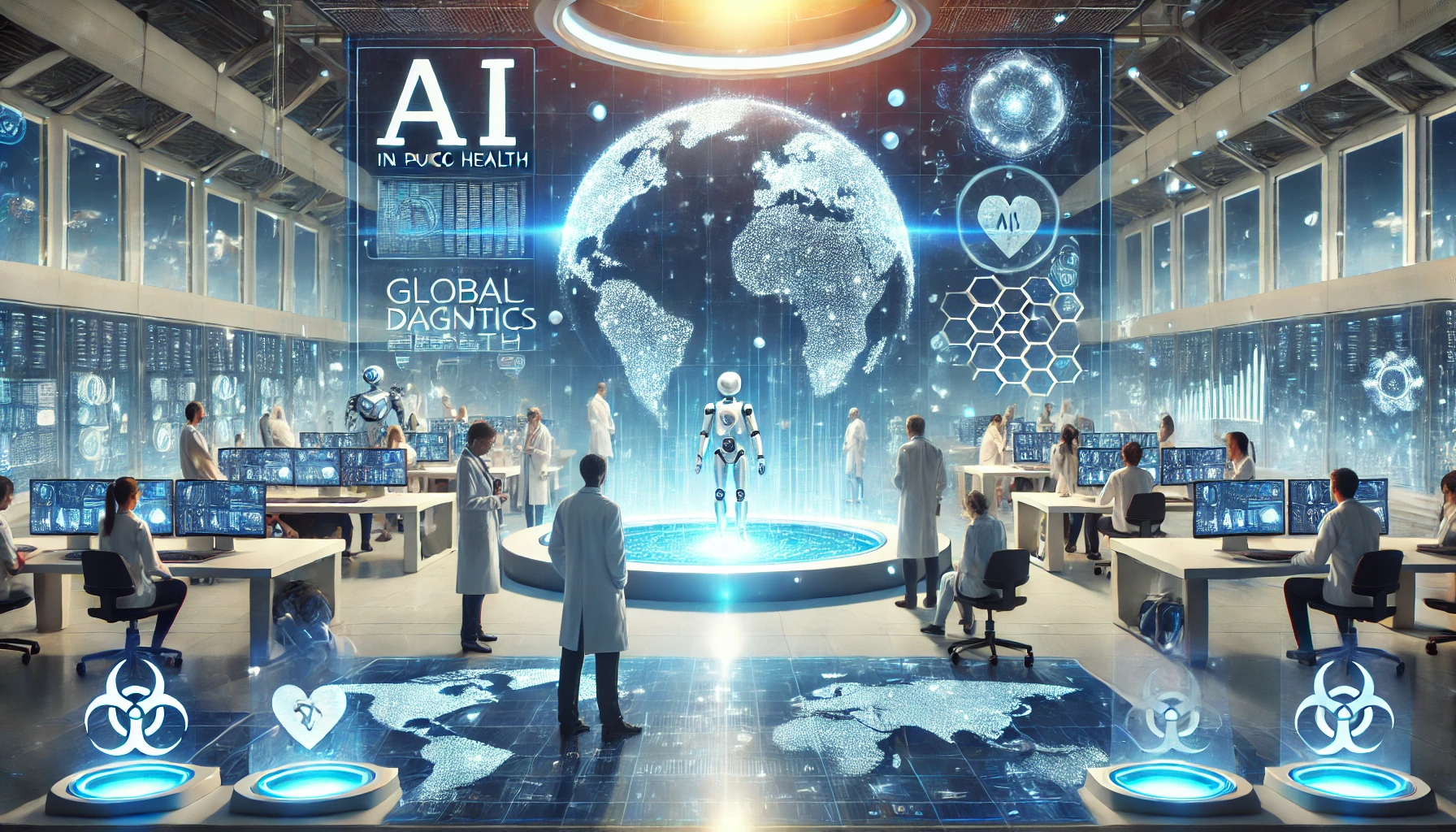
Artificial intelligence (AI) is poised to revolutionize public health by improving health outcomes, addressing global public health challenges, and advancing health technologies. The integration of AI in public health practices is already providing innovative solutions in disease control, healthcare delivery, and precision health. By leveraging data science, machine learning, and natural language processing (NLP), AI tools are being used to analyze vast amounts of health data, predict disease outbreaks, and guide policy decisions. This transformation not only enhances disease prevention but also drives better resource allocation and improves health equity for diverse patient populations.
In this article, we will explore how AI is shaping the future of public health, its applications in disease surveillance and prediction, and the ethical considerations of implementing AI in healthcare settings.
The Role of AI in Public Health Practice
1. Improving Health Outcomes with AI
Artificial intelligence is already making a significant impact on improving health outcomes across the world. Through the analysis of vast quantities of public health data, AI systems can provide actionable insights that empower public health professionals to design better interventions, allocate resources more effectively, and ultimately reduce the burden of diseases on populations.
-
AI systems use predictive models to forecast the future trajectory of disease trends, such as outbreaks of influenza or COVID-19. These insights help healthcare providers and government agencies respond quickly and effectively to minimize the spread of infectious diseases.
-
Personalized medicine and precision health have been enhanced by AI tools. By analyzing genetic, environmental, and lifestyle factors, AI can help tailor healthcare interventions that are specific to individual patient needs, ensuring better patient care and health outcomes.
Example: IBM Watson Health has implemented AI-powered platforms that assist healthcare providers in analyzing complex medical data, improving diagnostic accuracy, and identifying personalized treatment options, which ultimately lead to improved patient outcomes.
2. Public Health Surveillance with AI
Public health surveillance plays a critical role in disease control, and AI in public health is transforming how diseases are monitored, predicted, and controlled. AI enhances surveillance systems by enabling real-time analysis of health data, helping identify emerging health threats, and guiding early interventions.
-
AI tools can analyze electronic health records (EHR), medical imaging, and even social media data to track the spread of infectious diseases, such as COVID-19, or identify areas with high rates of non-communicable diseases like diabetes or heart disease.
-
AI-based surveillance systems can track and predict the spread of disease, providing valuable insights for public health departments to focus resources on regions at higher risk.
Example: The World Health Organization (WHO) has used AI-based predictive models to forecast disease outbreaks and predict potential epidemic hotspots. AI’s ability to analyze real-time health data has been invaluable in responding to the COVID-19 pandemic.
3. Machine Learning in Public Health Data Analysis
The ability to analyze large datasets is one of AI’s most powerful capabilities. In public health, machine learning algorithms can be used to analyze complex health data, including EHRs, patient demographics, environmental factors, and social determinants of health, providing a comprehensive understanding of disease trends and health risks.
-
Data scientists utilize AI to uncover hidden patterns in public health data. This helps identify risk factors for disease outbreaks, areas with high healthcare needs, and populations that are more vulnerable to specific health conditions.
-
Machine learning can also be applied to predictive analytics, allowing for better planning of public health interventions and ensuring resources are allocated effectively to where they are needed most.
Example: DeepMind, part of Google, has leveraged AI models to analyze medical images and predict diseases such as retinopathy and breast cancer with greater accuracy than traditional methods. This capability is increasingly being used in public health programs to improve early diagnosis and intervention.
Precision Public Health: Leveraging AI for Targeted Interventions
1. Precision Health with AI
Precision public health uses AI tools to customize interventions based on population health data. By integrating AI with big data sources, public health agencies can move beyond general health policies and implement targeted, data-driven strategies that take into account genetic and environmental factors.
-
AI-driven approaches can predict which populations are at greater risk of developing certain diseases, such as cancer or cardiovascular diseases, by analyzing genetic markers, lifestyle data, and socioeconomic factors.
-
This enables the creation of more personalized healthcare programs, which are especially valuable in tackling chronic diseases and health disparities that affect different communities in distinct ways.
Example: Geisinger Health System in Pennsylvania is using AI algorithms to develop precision health strategies that focus on individual genetic profiles, providing personalized interventions for patients with chronic conditions like diabetes and heart disease.
2. AI for Disease Forecasting and Early Warning Systems
AI’s ability to predict disease outbreaks and forecast health trends is transforming how public health professionals respond to new threats. Disease forecasting models powered by AI analyze historical data, real-time data, and environmental factors to predict where diseases are likely to spread and when an outbreak is imminent.
-
AI-driven tools can help predict seasonal flu outbreaks, monitor the spread of vector-borne diseases like malaria, or even identify regions at risk of emerging diseases like Zika or Ebola.
-
Early warning systems powered by AI provide public health authorities with critical lead time to implement preventive measures, such as vaccination campaigns, resource distribution, and public health advisories.
Example: The Centers for Disease Control and Prevention (CDC) in the United States has begun using AI tools to develop disease forecasting models that predict flu season intensity based on historical data and environmental conditions. This allows for more proactive public health responses.
AI in Health Policy and Resource Allocation
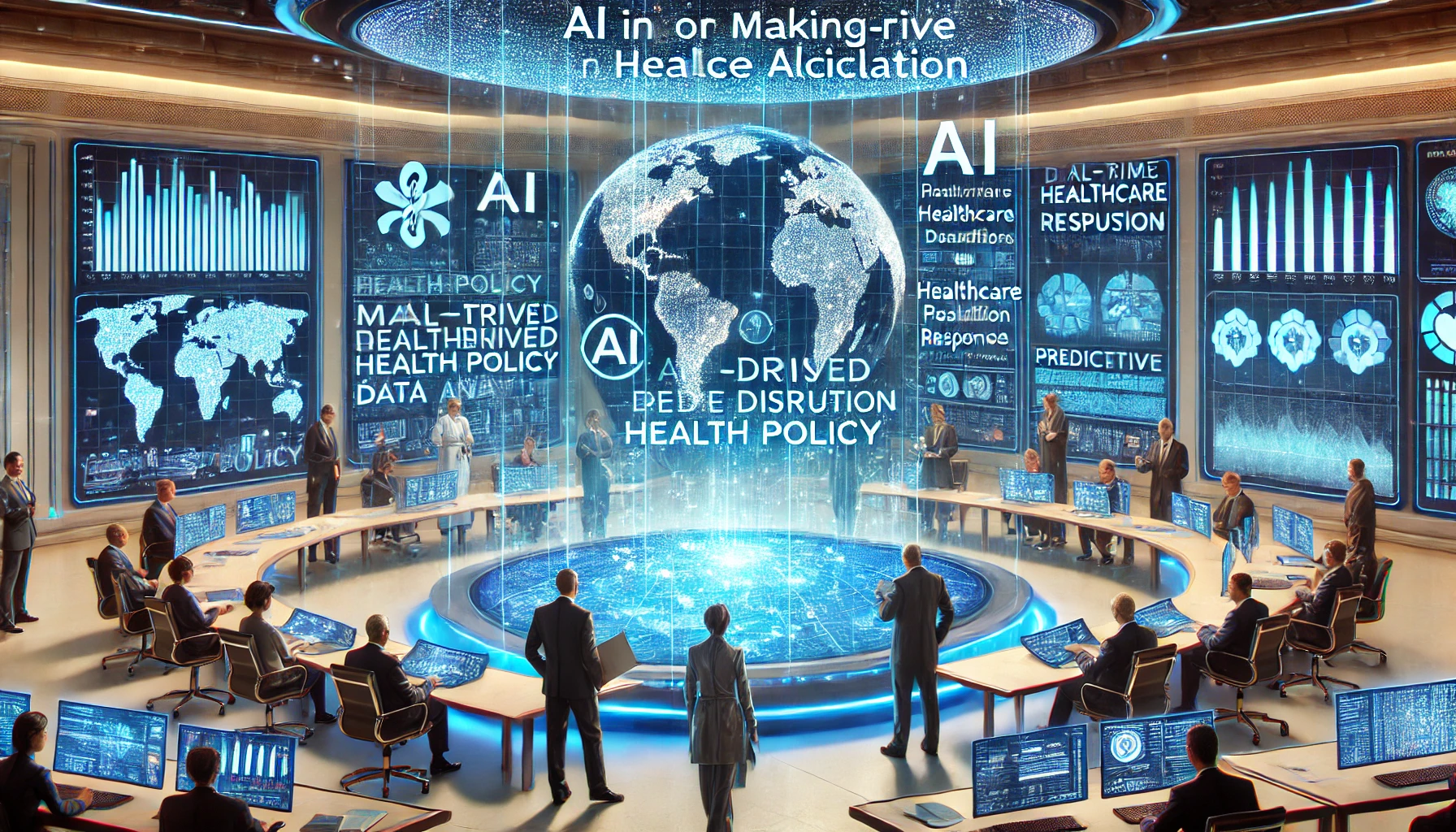
1. Data-Driven Health Policy Decisions
AI can greatly influence health policy by providing actionable insights derived from large-scale health data. By analyzing patterns and trends, AI systems can provide policymakers with a deeper understanding of what is working in public health programs and where improvements are needed.
-
AI tools help predict the effectiveness of different public health interventions. For instance, by analyzing historical data, AI can suggest which policies are likely to reduce smoking rates, obesity, or alcohol consumption in different populations.
-
Resource allocation becomes more efficient with AI systems, which can help identify areas with the greatest healthcare needs and guide decisions on where to invest in healthcare infrastructure.
Example: In India, the National Health Mission has adopted AI technologies to assist in resource allocation and improve the delivery of healthcare services to underserved areas. AI helps identify regions with poor healthcare access, allowing the government to focus efforts on improving facilities and services in those regions.
2. AI in Health Equity and Access to Care
AI offers a unique opportunity to reduce health disparities by providing equitable access to healthcare information, services, and interventions. By analyzing socioeconomic data, geographic data, and health data, AI can identify populations that are underserved and recommend tailored interventions to reduce inequities.
-
AI can help ensure healthcare systems allocate resources to disadvantaged communities, ensuring that the most vulnerable populations receive the care they need. This includes improving access to diagnostic tools, healthcare education, and preventive care.
-
AI-powered systems also help identify social determinants of health, which can be targeted to improve overall health outcomes in specific communities.
Example: AI in Kenya, used by organizations like M-Tiba, is improving access to healthcare by providing mobile health services to underserved rural populations. AI helps monitor patient needs, send reminders, and deliver care in real-time, bridging gaps in healthcare delivery.
Ethical Implications and Challenges of AI in Public Health
1. Ethical Considerations in AI for Public Health
While AI in public health offers numerous benefits, it also raises important ethical concerns that must be addressed as the technology continues to evolve. These concerns include data privacy, bias in algorithms, and the potential for AI-driven decisions to be disconnected from human judgment.
-
Data security: AI relies on large datasets containing sensitive health information, making it essential to ensure data privacy and prevent misuse. Healthcare providers and public health authorities must be diligent in safeguarding patient information.
-
Bias in AI models: AI systems are only as unbiased as the data used to train them. If the training data is incomplete or skewed toward specific populations, the resulting AI models may perpetuate existing health disparities.
-
Human oversight: AI should be used to complement human judgment, not replace it. Ethical implementation of AI in public health requires careful oversight to ensure that AI-driven recommendations align with broader public health goals and ethical principles.
Example: During the COVID-19 pandemic, the use of AI-driven health solutions raised concerns about data privacy and algorithmic bias. As more healthcare data was digitized, concerns arose about how that data was used and who had access to it. Addressing these concerns is crucial to ensure public trust in AI-powered health systems.
Applications of AI in Public Health: New Frontiers
As the potential of AI for public health becomes more apparent, new and innovative applications are emerging, expanding its role in healthcare systems worldwide. In this section, we will explore how AI is set to continue evolving in the field of public health, with a focus on emerging technologies, future challenges, and how AI can enhance global health equity and public health policy.
1. AI in Global Disease Surveillance and Epidemiology
The global reach of AI is playing a crucial role in global public health surveillance. AI’s ability to analyze vast datasets from diverse sources—including social media, health records, and environmental data—allows health organizations to detect and monitor disease trends and potential outbreaks in real-time, making it a critical tool in global health.
-
Predictive epidemiology: AI-powered models can predict disease outbreaks by analyzing historical data, environmental factors, and human mobility. These predictive models help public health authorities anticipate outbreaks such as Ebola, Zika, or COVID-19, providing early warnings and more effective resource allocation.
-
Integration with wearable technologies: AI can process data from wearables and mobile health apps to track public health trends, from chronic disease management to real-time monitoring of infectious diseases. This integration allows health departments to take proactive measures and quickly respond to public health crises.
Example: The HealthMap platform, developed by Boston Children’s Hospital, uses AI to analyze data from various sources, including news reports, blogs, and health records, to detect emerging health threats and predict potential epidemics.
2. AI in Precision Public Health for Vulnerable Populations
AI has the potential to transform precision public health, especially for vulnerable populations. By analyzing demographic and social determinants of health, AI can guide targeted public health interventions that focus on specific communities, reducing health disparities and improving overall population health.
-
Tailored public health interventions: AI systems can assess the unique needs of different populations, such as those with chronic diseases, mental health conditions, or elderly communities. AI models can recommend interventions that are culturally and contextually appropriate, ensuring that resources are used effectively to reach those who need them most.
-
Addressing health inequities: AI tools can analyze social factors like housing, education, and economic stability, which significantly affect health outcomes. By identifying the root causes of health inequities, AI can inform policies that address these underlying determinants of health and promote health equity.
Example: AI-based tools have been used to identify areas with limited access to healthcare services in rural communities. By pinpointing regions that lack medical resources, AI models help target interventions like telemedicine or mobile health units to underserved areas.
3. AI in Mental Health Diagnostics and Treatment
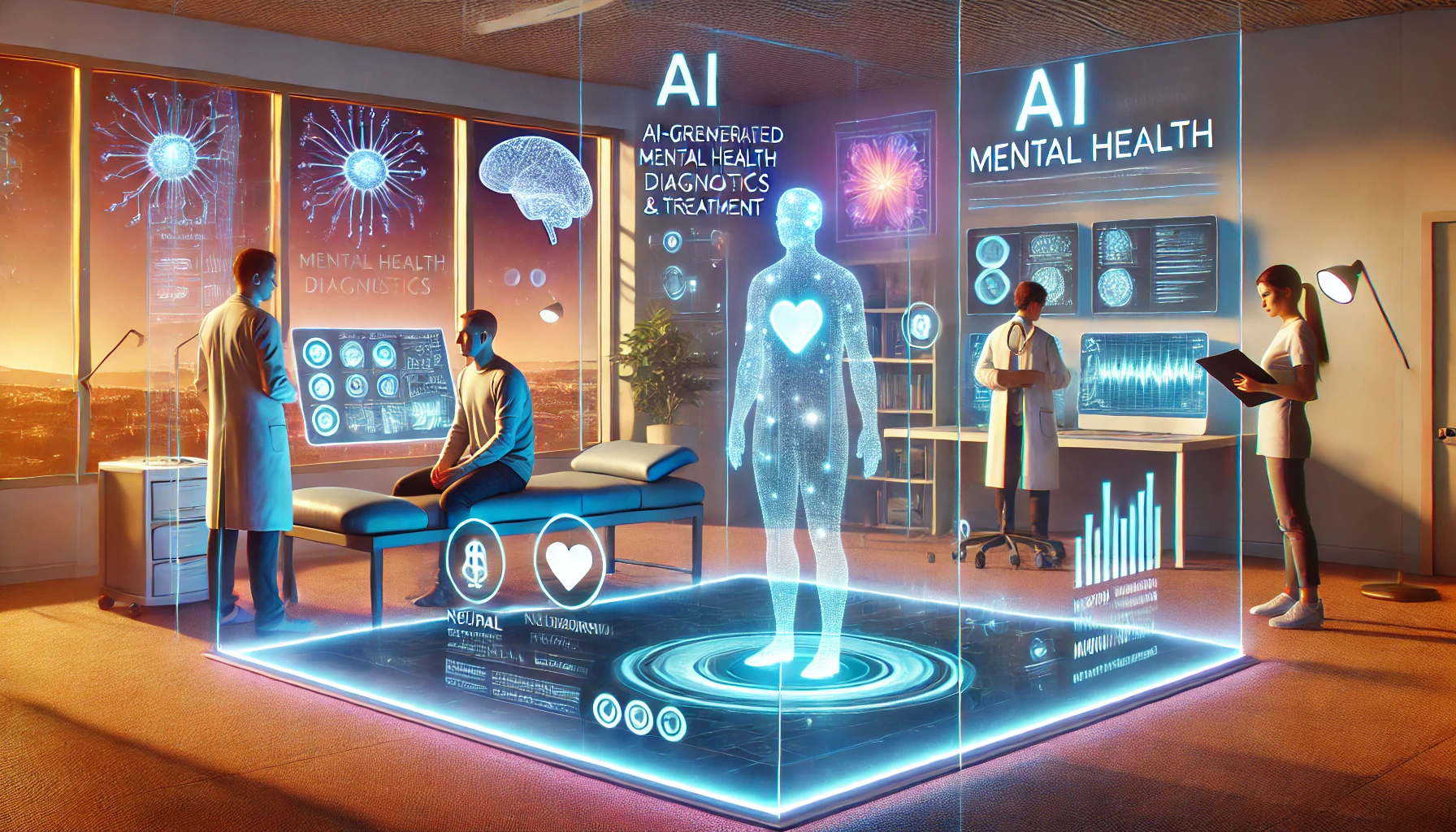
While mental health issues remain one of the leading causes of global disease burden, AI in public health is starting to play a pivotal role in improving the diagnosis and treatment of mental health disorders.
-
AI in early mental health detection: AI-powered tools can analyze speech patterns, facial expressions, and text data from individuals to detect early signs of mental health conditions such as depression, anxiety, and post-traumatic stress disorder (PTSD). These tools can help identify people who may benefit from early interventions, ultimately improving mental health outcomes.
-
AI in personalized treatment plans: Once mental health conditions are diagnosed, AI can be used to develop personalized treatment plans. By analyzing patient data from electronic health records and past treatment responses, AI can recommend the most effective interventions for each individual.
Example: Woebot Health, an AI-powered mental health chatbot, uses natural language processing (NLP) to provide psychological support to users. It detects signs of depression and anxiety through conversations and provides tailored interventions, such as cognitive-behavioral therapy (CBT).
4. AI for Health Policy Development and Decision-Making
AI is revolutionizing public health policy by providing valuable data-driven insights that can guide decisions on resource allocation, healthcare infrastructure, and policy design. By analyzing large-scale health data, AI systems can provide actionable insights for policymakers, helping them make more informed decisions that improve population health.
-
AI models in health policy: Machine learning algorithms are being used to simulate the potential impact of different health policies. For example, AI can model the effects of introducing a new public health campaign, adjusting taxation policies on sugar-sweetened beverages, or predicting the long-term impact of universal healthcare systems.
-
Optimizing resource distribution: AI systems can also predict the demand for healthcare services, helping policymakers allocate resources efficiently. AI can forecast where healthcare facilities, medications, and medical staff are most needed, reducing waiting times and improving healthcare accessibility.
Example: The UK’s National Health Service (NHS) has started utilizing AI-driven tools to forecast patient demand and allocate healthcare resources in real-time, allowing for more efficient hospital management and emergency response.
5. AI in Public Health Research Collaboration
AI is fostering greater collaboration among public health professionals, researchers, and healthcare providers, enabling cross-disciplinary work that enhances the effectiveness of public health strategies.
-
Collaborative AI research: By combining data science with epidemiology, genetics, and sociology, AI-driven research fosters a holistic approach to public health challenges. This enables researchers to address complex health issues like pandemics, chronic diseases, and healthcare access from multiple perspectives.
-
Real-time data sharing: AI tools make it easier to share health data across regions and organizations, facilitating faster responses to emerging health crises. AI-powered platforms can integrate data from hospitals, clinics, and health departments to create comprehensive disease surveillance systems.
Example: The Global Health Data Exchange (GHDX), a platform supported by the Institute for Health Metrics and Evaluation (IHME), integrates AI-driven analytics with public health research, enabling the sharing of health data across countries to track disease patterns and design interventions.
Ethical Concerns and Challenges in AI for Public Health
1. Bias and Fairness in AI Algorithms
Despite AI’s potential to transform public health, bias in AI algorithms is a major ethical concern. If AI systems are trained on non-representative datasets, they may perpetuate existing biases in healthcare and public health systems. These biases can lead to inequities in care for marginalized populations, exacerbating health disparities.
-
Ensuring fairness: Researchers and public health organizations must ensure that AI models are trained on diverse, representative datasets that reflect different socioeconomic backgrounds, ethnicities, and geographies. This ensures that AI systems do not inadvertently discriminate against certain populations.
-
Transparent algorithms: Developing transparent and explainable AI models will help ensure that public health decisions are fair and just. Ensuring that stakeholders understand how AI models arrive at decisions will build trust in these systems.
2. Privacy and Data Security
AI systems in public health often require the collection of sensitive health data, raising concerns about privacy and data security. Safeguarding this data is essential to maintaining public trust and preventing cyberattacks that could compromise patient confidentiality.
-
Securing health data: Implementing robust encryption and data security protocols ensures that sensitive patient information remains protected. Additionally, adhering to data protection regulations such as GDPR and HIPAA will help safeguard privacy while still allowing for meaningful analysis of health data.
-
Anonymization of data: To mitigate privacy risks, AI systems should anonymize patient data wherever possible, ensuring that personally identifiable information (PII) is not exposed during data analysis.
3. Human Oversight in AI Decision-Making
While AI systems can provide actionable insights and support decision-making, human oversight is essential to ensure that these systems align with ethical guidelines and real-world complexities. AI should serve as a tool to assist public health professionals, not replace human judgment.
-
Balancing AI and human intelligence: Decision-making in public health should always involve human expertise to interpret AI outputs in the context of social, ethical, and cultural factors.
-
Monitoring AI decisions: Regular audits and reviews of AI-driven decisions will ensure that AI systems are used ethically and responsibly, especially when the consequences of those decisions affect public health.
The Future of AI in Public Health: Paving the Way for Global Health Transformation
As we look toward the future, the integration of AI in public health continues to expand, offering innovative solutions to longstanding public health issues. These advancements are expected to bring about a transformative shift in how healthcare systems operate, public health decisions are made, and how resources are allocated. Below, we’ll explore some of the emerging trends and innovations that will shape the future of AI in public health, including its potential to address global health disparities, streamline disease prediction, and improve patient care.
1. AI for Global Health Equity and Access
One of the most significant promises of AI for public health lies in its ability to promote health equity. Many countries, especially low-income nations and under-resourced communities, face challenges in accessing quality healthcare services. AI-driven solutions have the potential to bridge these gaps, ensuring that healthcare resources are distributed more equitably and that interventions are better targeted to those in need.
-
Remote health diagnostics: AI systems, particularly telemedicine platforms, can deliver healthcare remotely to communities without access to in-person care. These platforms use AI-driven diagnostics to provide accurate assessments of common health issues, from skin conditions to infectious diseases. This enables healthcare providers to reach rural and underserved populations effectively.
-
Resource allocation: By analyzing health data from different regions, AI can help identify areas with the greatest need for healthcare resources, such as medications, vaccines, and medical professionals. This information allows for better planning and targeted interventions to ensure that health equity is promoted across diverse populations.
Example: AI in rural Africa has been used to provide telemedicine services, where patients in remote areas can receive consultations with specialists, reducing the need to travel long distances for care. AI tools have assisted in diagnosing diseases like malaria and tuberculosis, ensuring prompt treatment.
2. AI in Disease Prediction and Prevention
AI has immense potential in predicting and preventing the spread of diseases, improving global disease forecasting and allowing public health professionals to intervene before outbreaks reach a critical stage. By analyzing real-time data, historical trends, and environmental factors, AI systems can predict the likelihood of disease outbreaks, identify high-risk areas, and develop tailored prevention strategies.
-
Disease forecasting models: By combining historical data on disease trends, climate patterns, and population mobility, AI can generate more accurate predictions of where and when certain diseases are likely to spread. This allows health organizations to prepare ahead of time and deploy resources efficiently.
-
Targeted interventions: AI-powered models can suggest the most effective preventive measures to implement, such as vaccination campaigns, public health messaging, and quarantine protocols. These interventions can be tailored to specific demographics or areas, increasing their impact and reducing the risk of widespread transmission.
Example: During the COVID-19 pandemic, AI systems were used to predict the spread of the virus and forecast the future trajectory of the pandemic. This helped governments make critical decisions on lockdowns, vaccination strategies, and resource allocation.
3. Advances in AI-Driven Diagnostics and Personalized Health
The future of AI in public health is also closely tied to advances in AI-driven diagnostics and personalized healthcare. AI tools, including machine learning and computer vision, are enabling faster, more accurate diagnostic processes, particularly in the fields of medical imaging and genetic testing.
-
AI-powered diagnostics: Machine learning algorithms are able to analyze medical images (e.g., X-rays, MRI scans, CT scans) more quickly and accurately than human radiologists, detecting abnormalities such as tumors or fractures at an early stage. This has the potential to significantly improve early detection rates and treatment outcomes.
-
Personalized health interventions: By analyzing genetic data, lifestyle factors, and health histories, AI can recommend personalized treatment plans for patients, ensuring the most effective interventions for each individual. This is especially important in managing chronic conditions like diabetes, heart disease, and obesity.
Example: Zebra Medical Vision, an AI company specializing in medical imaging, uses machine learning algorithms to analyze X-ray and CT scan data to detect and diagnose various conditions such as cancer and cardiovascular diseases, offering real-time diagnostic support to healthcare professionals.
4. AI in Global Health Policy and Decision Making
AI is rapidly becoming a tool that policymakers use to drive decisions in global health policy. By analyzing complex datasets, including public health trends, economic factors, and global health outcomes, AI systems can guide health organizations in making data-driven, effective decisions that can improve healthcare systems and health outcomes globally.
-
Optimizing policy decisions: AI algorithms can simulate the potential impact of different public health policies, such as vaccination programs, tobacco regulations, or healthcare funding. This predictive capability enables policymakers to make more informed decisions about where and how to allocate resources.
-
Collaborative global health: AI can also help facilitate international cooperation by aggregating and analyzing health data from different countries. This global data sharing can improve responses to cross-border health issues like pandemics, antimicrobial resistance, and vaccination distribution.
Example: The United Nations has employed AI tools in their health programs to better understand global health trends and disease patterns. By analyzing data from different regions, AI has helped predict outbreaks and identify areas that need urgent medical attention, enabling more effective interventions.
5. AI in Environmental Health and Climate Change
Environmental factors play a crucial role in public health, particularly as climate change continues to impact health outcomes worldwide. AI is being used to understand and predict the environmental effects on health, including air quality, water quality, and the spread of vector-borne diseases.
-
Climate change prediction: AI can model how climate change might impact public health, such as by predicting the effects of rising temperatures on air pollution, the spread of mosquito-borne diseases like malaria and dengue, and the availability of clean water.
-
Environmental health surveillance: AI tools are increasingly used in environmental health surveillance to track how environmental changes impact the population. This includes identifying at-risk areas for heat waves, wildfires, and natural disasters, helping authorities prepare and respond to health risks caused by environmental changes.
Example: In Bangladesh, AI systems are used to predict the spread of dengue fever, which is heavily influenced by climate factors such as rainfall and temperature. By predicting outbreaks before they occur, health departments can take preventive measures, such as mosquito control and public health awareness campaigns.
Addressing Ethical Concerns: AI in Public Health
As AI becomes a more integral part of public health, there are significant ethical concerns that must be carefully considered to ensure that its use is responsible and equitable.
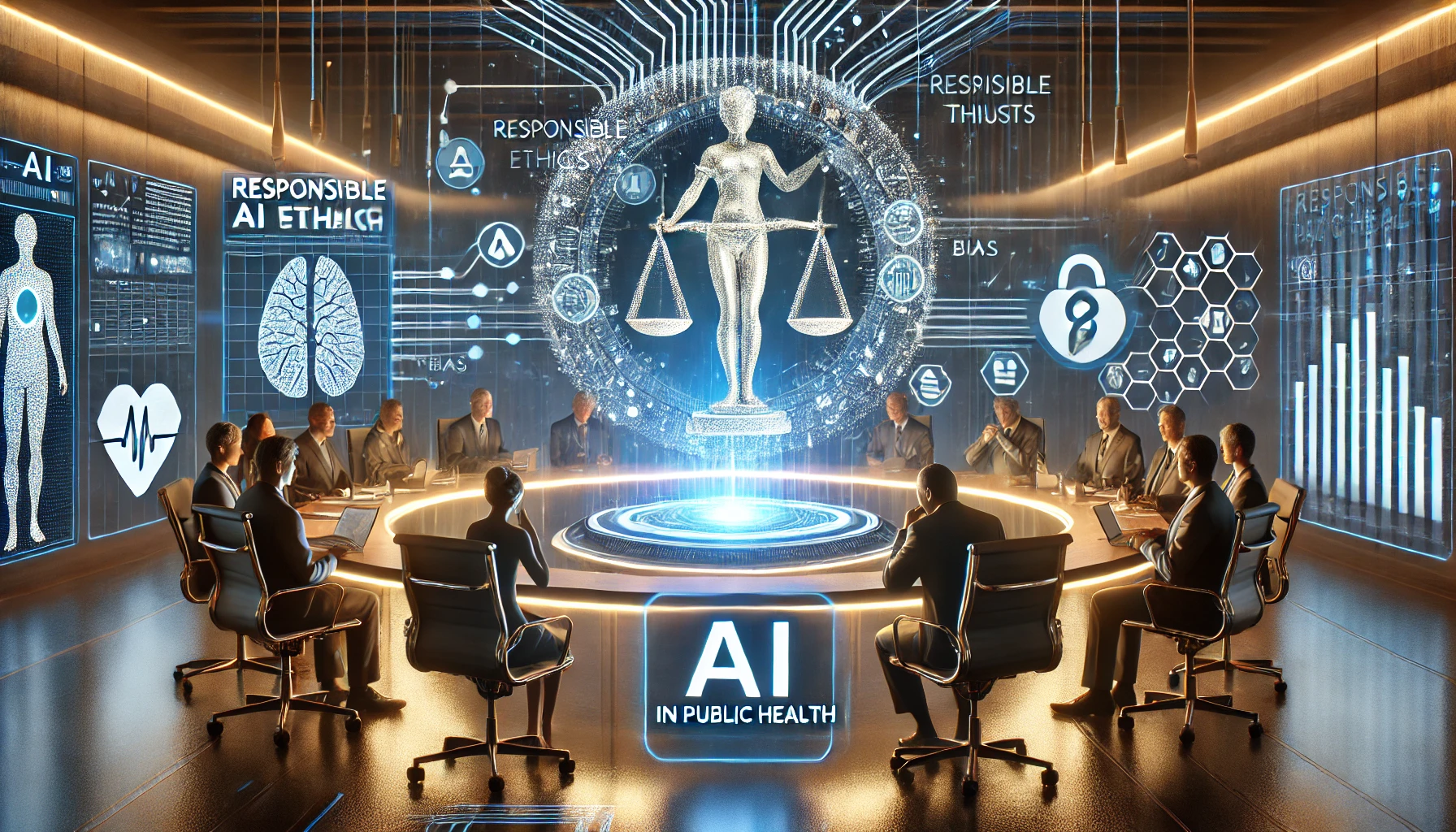
1. Bias and Fairness in AI Algorithms
AI models are only as good as the data they are trained on. If the data reflects existing health disparities or lacks sufficient diversity, the AI models may perpetuate biases, leading to unfair treatment of marginalized populations. Ensuring that AI systems are trained on diverse, inclusive datasets is essential to avoid perpetuating inequalities.
-
Inclusive data collection: Public health organizations must ensure that AI algorithms are trained on data that reflects diverse ethnicities, socioeconomic groups, and geographic regions. This ensures that AI models do not favor one group over another and can provide equitable solutions.
-
Transparency and accountability: Making AI models more transparent and understandable will help ensure they are used ethically. Explainable AI (XAI) methods can help public health professionals understand how AI systems make decisions, ensuring that those decisions align with ethical guidelines.
2. Protecting Patient Privacy
The use of AI in public health often involves the collection of sensitive health data, which raises concerns about privacy and data security. It’s essential to ensure that AI systems comply with privacy regulations such as HIPAA and GDPR while still allowing the data to be used to improve public health outcomes.
-
Data anonymization: Ensuring that patient data is anonymized or pseudonymized before being analyzed by AI systems can help mitigate privacy risks. This allows for meaningful data analysis without compromising the confidentiality of individuals’ health information.
-
Secure data storage: Public health agencies must also invest in secure data storage systems to protect sensitive health information from cyber threats and ensure that only authorized individuals have access to the data.
Conclusion: The Transformative Potential of AI in Public Health
The integration of AI in public health is driving a transformative shift in how disease prediction, health outcomes, and policy decisions are made. By harnessing the power of machine learning algorithms, data science, and predictive models, AI is enabling more precise, personalized, and efficient public health interventions. From disease forecasting and early warning systems to improving health equity and resource allocation, AI is helping to tackle some of the biggest challenges in global public health.
However, as AI becomes an increasingly integral part of public health practices, ethical considerations such as data privacy, bias, and human oversight must be addressed to ensure AI is used responsibly and for the benefit of all. With continued research, collaboration, and ethical implementation, AI for public health has the potential to significantly improve global health outcomes and create a healthier future for all.

LqRmev GOLXhx DmgCi SqJayDMS xgn
Thank you for your sharing. I am worried that I lack creative ideas. It is your article that makes me full of hope. Thank you. But, I have a question, can you help me?