
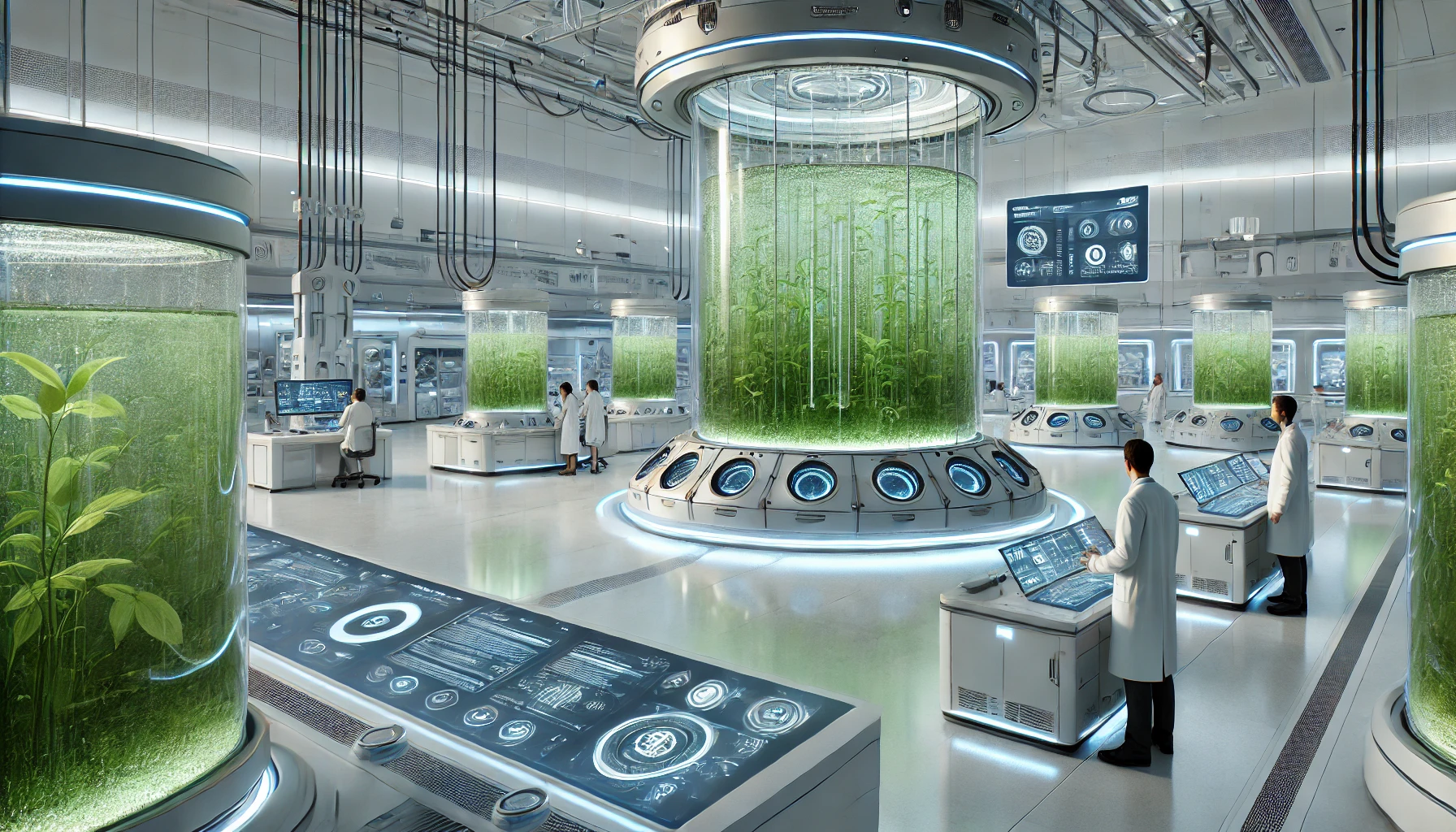
As the world continues to face challenges related to fossil fuel depletion, climate change, and energy security, the search for alternative energy sources has become a critical priority. Among the most promising alternatives to conventional fuels is algae-based biofuels, which are derived from various algae species that offer a sustainable, renewable solution to energy production. With their ability to produce large amounts of biomass and lipid-rich oils, algae biofuels have the potential to revolutionize the way we produce and consume energy.
This blog post explores the fascinating world of algae-based biofuels, including the science behind algal biofuel production, its benefits over traditional fuels, and the challenges and opportunities in scaling it for commercial use.
What Are Algae-Based Biofuels?
Algae-based biofuels are renewable energy sources produced from algae. Algae species, particularly microalgae and macroalgae, are cultivated for their ability to produce lipids (fats and oils) that can be converted into biodiesel, ethanol, or biojet fuel. These biofuels are considered an alternative to petroleum-derived fuels and are seen as a key component of a sustainable energy future.
How Algae Biofuels Are Produced
The process of algae biofuel production involves several steps:
-
Algal Cultivation: Algae are grown in controlled environments, such as open pond systems, photobioreactors, or algal mass culture systems, where they are exposed to light and carbon dioxide to encourage growth.
-
Algal Harvesting: Once the algae reach an optimal growth phase, they are harvested, typically using centrifugation, flocculation, or filtration techniques.
-
Oil Extraction: The harvested algae biomass is processed to extract algal oil, which contains high levels of fatty acids that can be converted into biofuels.
-
Conversion to Biofuels: The extracted oils undergo transesterification to produce biodiesel. Additionally, algae-derived ethanol and other biofuels can be created through different conversion processes, such as fermentation or gasification.
The lipid-rich algae produced in this process can be refined into algal biofuels, providing a sustainable and low-carbon alternative to conventional petroleum fuels.
The Environmental Benefits of Algae-Based Biofuels
One of the most significant advantages of algae-based biofuels is their environmental benefits. Unlike fossil fuels, which are responsible for carbon emissions, algae biofuels can help reduce the carbon footprint of the energy sector. Here’s how:
1. Carbon Dioxide Capture
Algae play a crucial role in carbon dioxide sequestration. As algae grow, they naturally absorb carbon dioxide (CO2) from the atmosphere, helping to mitigate the greenhouse gas emissions that contribute to global warming. This makes algae-based biofuels a carbon-neutral or carbon-negative energy source. By using CO2 from industrial processes, such as power plants or factories, algae can help offset carbon emissions while simultaneously producing biofuels.
2. Sustainable Energy Source
Algae have a higher energy efficiency than many terrestrial crops. For instance, algal species such as green algae and native algae can produce biomass productivity levels far superior to crops like corn or soybean used for biofuel production. Algae also require less water and land than traditional biofuel crops, making them a more sustainable option.
Moreover, algae can be cultivated in non-arable land and in wastewater, reducing the need for agricultural land and promoting wastewater treatment. This offers a unique solution to both energy production and waste management, further enhancing the sustainability of algae-based biofuels.
3. Reduction in Waste and Pollution
Algae cultivation can help reduce wastewater pollution by acting as a natural filtration system. The process of algal turf scrubber—in which algae are grown on a sloped surface—has shown promise in removing excess nutrients like nitrogen and phosphorus from wastewater, reducing the environmental impact of agricultural runoff.
Additionally, the algal biomass leftover after oil extraction can be used for animal feed, fertilizer, or even bioelectricity, contributing to a circular economy.
The Challenges of Scaling Algae-Based Biofuel Production
While the potential of algae biofuels is vast, there are several challenges to scaling up production to meet global energy demands. Some of the key obstacles include:
1. Large-Scale Production
One of the biggest challenges in algae biofuel production is scaling up from laboratory research and small-scale pilot projects to large-scale production. Growing algal species for biofuel production on an industrial scale requires significant investments in infrastructure and technology. For instance, photobioreactors—closed systems used to cultivate algae—are expensive to build and maintain. Open pond systems, on the other hand, have lower capital costs but are susceptible to contamination and are less efficient in terms of biomass productivity.
Researchers are exploring new ways to increase biomass yield and oil extraction efficiency. Algal mass culture, which involves growing algae in large outdoor ponds, is one potential method for increasing oil yields and lowering production costs.
2. Oil Extraction Efficiency
Another challenge is the oil extraction process, which is vital for converting algae into biofuels. While algal oil contains fatty acids that can be converted into biodiesel, the extraction process is often inefficient, requiring large amounts of energy or solvents. Researchers are investigating biological extraction methods that use enzymes or mechanical processes to break down the algae and extract the oils in a more energy-efficient manner.
3. Economic Viability
The production of algae-based biofuels is still relatively expensive compared to conventional fuels, such as petroleum-derived fuels. Despite the promise of algae biofuels, the process of cultivating algae, extracting the oil, and converting it into usable fuel remains costly. The cost-effectiveness of algae-based biofuels depends on several factors, including:
-
Algal strain selection: Some algae species are more efficient at producing lipids than others. Identifying the best strains for biofuel production is crucial to improving yields and reducing costs.
-
Technological innovation: Advancements in biomass conversion and oil extraction technologies are needed to make algae-based biofuels more affordable and competitive with conventional diesel and other fossil fuels.
-
Energy efficiency: Improvements in photosynthetic efficiency and the development of new cultivation methods can help increase algae growth rates and reduce the energy required for algae cultivation.
4. Competition with Other Biofuels
While algae-based biofuels offer numerous advantages, they must compete with other forms of biofuels, such as biodiesel made from soybeans, corn, or palm oil. These biofuels, while more established, often compete for arable land and are criticized for their environmental impact. Algae biofuels, by contrast, can be produced on non-arable land and wastewater, potentially eliminating the land-use competition.
However, the current production scale of algae-based biofuels is far smaller than more conventional biofuels, and efforts are underway to bridge this gap through research and development.
Current Research and Development in Algae-Based Biofuels

Algae biofuel research has made significant strides in recent years, with advancements in algal strains, cultivation methods, and oil extraction technologies. Here are some notable examples of cutting-edge research and development:
-
The National Renewable Energy Laboratory (NREL) has been working on improving algal biofuel production through genetic engineering to create lipid-rich algae strains that produce higher oil yields. This research aims to reduce the cost and improve the biomass productivity of algae.
-
Solazyme, a biofuel company, has been developing algal oil for biodiesel production. By using custom algae strains, they have been able to increase oil yields and reduce costs for large-scale production.
-
MIT’s research group has developed a novel approach using artificial light to boost photosynthetic efficiency in algae. This technique aims to increase algae growth rates and oil production in controlled indoor environments, allowing for year-round production regardless of weather conditions.
These breakthroughs are moving algae-based biofuels closer to being a viable alternative fuel source for the energy market.
Advancing Algae-Based Biofuels: Innovations and Emerging Technologies
As we look towards a sustainable energy future, algae-based biofuels are becoming increasingly important in the quest to reduce fossil fuel dependency and mitigate carbon emissions. With algal biofuel production still in its developmental stages, the field is ripe for technological innovations that can improve efficiency, reduce costs, and make algae biofuels a viable alternative to conventional fuels. In this section, we will explore some of the emerging technologies and innovations in algae biofuel production that are helping to move the industry closer to mass production.
1. Genetic Engineering and Algae Strain Optimization
One of the most promising areas of research in algae biofuels is the genetic modification of algae species to enhance oil production. Scientists are experimenting with genetic engineering techniques to create algae strains that produce higher amounts of lipid-rich oils, the key component used for biofuel production. These genetically modified algal strains are designed to optimize biomass productivity and improve the overall yield of biodiesel.
Key Approaches:
-
Overexpression of lipid biosynthesis genes: By increasing the expression of genes responsible for lipid production in algae, researchers can boost the oil yield in algae strains. This approach can also help create strains with higher fatty acid content, making them more suitable for biodiesel production.
-
Increased photosynthetic efficiency: Genetic modifications can also improve the photosynthetic efficiency of algae, allowing them to produce more biomass with less light. This would reduce the need for artificial light in indoor cultivation systems and increase overall energy efficiency.
-
Stress tolerance enhancement: Algae often produce more lipids in response to environmental stress (e.g., nutrient starvation or high light intensity). By genetically engineering algae to tolerate stress more effectively, researchers can maximize lipid production in a variety of environmental conditions, improving yields for biofuel production.
Through the genetic engineering of algae, scientists are working to enhance algal biofuel production, creating more efficient and cost-effective methods for mass production.
2. Bioreactors and Closed-Loop Cultivation Systems
While traditional open pond systems for algae cultivation have been used in algae biofuel research, bioreactors and closed-loop systems are gaining attention as more controlled environments for growing algae. These systems allow for better control over light, temperature, nutrient supply, and carbon dioxide levels, which results in more efficient algae growth and oil production.
Advantages of Closed-Loop Systems:
-
Increased biomass productivity: By controlling the growth conditions more precisely, closed-loop systems can significantly increase biomass productivity compared to open pond systems, which are subject to environmental fluctuations.
-
Reduced contamination: In an open pond system, algae can be contaminated by unwanted microorganisms, which can reduce productivity and complicate harvesting. Bioreactors and closed-loop systems minimize contamination, ensuring that only the desired algae species are grown.
-
Higher yield per unit of area: Since bioreactors are typically more compact and efficient, they can produce more biomass per square meter of space than open ponds, reducing the overall land area required for algae cultivation.
These controlled cultivation systems offer a more energy-efficient and productive method of algae farming, which could be key to scaling algae-based biofuels for large-scale production.
3. Advanced Harvesting and Oil Extraction Technologies
Once algae are cultivated, the next challenge in algae biofuel production is efficiently extracting the lipid oils. Traditional methods of oil extraction, such as solvent extraction and mechanical pressing, can be energy-intensive and expensive. However, new extraction technologies are being developed to make this process more cost-effective and efficient.
Emerging Extraction Technologies:
-
Supercritical fluid extraction: This process uses carbon dioxide (CO2) at high pressure and temperature to extract oils from algae. Supercritical CO2 is considered an environmentally friendly solvent that can extract oils without the need for harsh chemicals. This method is faster and more efficient than traditional solvent extraction.
-
Ultrasound-assisted extraction: By using high-frequency sound waves, this method helps break down the algal cell walls, making it easier to extract oils. Ultrasound-assisted extraction can increase the yield of algal oil while reducing the need for chemical solvents and high energy consumption.
-
Hydrothermal liquefaction (HTL): HTL is a high-pressure, high-temperature process that converts algae biomass into biocrude oil, which can be further refined into biodiesel. This method has shown promise for converting the entire algal biomass (including non-lipid portions) into fuel, reducing waste and improving overall efficiency.
These advanced extraction techniques have the potential to lower the cost of algae biofuel production while improving the efficiency of the entire process, making algae-based biofuels more competitive with traditional fuels.
4. Integrating Algae Production with Wastewater Treatment
One of the most innovative aspects of algae biofuel production is the possibility of combining algae cultivation with wastewater treatment. Algae naturally absorb carbon dioxide and nutrients like nitrogen and phosphorus from the environment, making them well-suited for wastewater treatment systems. By growing algae in wastewater—such as runoff from agricultural activities or effluent from power plants—algae can help clean water while simultaneously producing biofuels.
Benefits of Algae-Based Wastewater Treatment:
-
Nutrient removal: Algae help remove excess nutrients from wastewater, preventing eutrophication (the overgrowth of algae in water bodies due to high nutrient levels), which can harm aquatic ecosystems.
-
Biomass production: The algae can be harvested to produce biofuels, such as biodiesel, after they have absorbed nutrients from wastewater, providing a dual benefit of water treatment and renewable energy generation.
-
Cost-effective: Integrating algae production with wastewater treatment can reduce the costs of both processes, as algae can use waste carbon dioxide and nutrients for growth, potentially lowering the costs of wastewater treatment for industries.
This innovative approach not only helps reduce pollution but also contributes to the development of sustainable biofuels, making it a win-win for both the environment and the energy sector.
5. The Role of Algae Biofuels in Energy Security
As the global demand for energy continues to rise, the need for alternative fuels becomes more urgent. Algae-based biofuels have the potential to provide a significant portion of the world’s energy needs while reducing carbon emissions and promoting energy security.
Why Algae Biofuels Are a Key Player in Energy Security:
-
Sustainability: Algae-based biofuels are a renewable energy source that can be produced year-round, unlike traditional biofuels like corn-based ethanol, which are subject to seasonal fluctuations.
-
Scalability: Algae can be cultivated in non-arable land, and biomass productivity can be increased with advanced cultivation techniques, allowing for large-scale production without competing with food crops for land.
-
Energy independence: Algae-based biofuels can help countries reduce their reliance on imported petroleum fuels, making them a key part of energy independence strategies.
Case Study: Algae Biofuel Research at the National Renewable Energy Laboratory
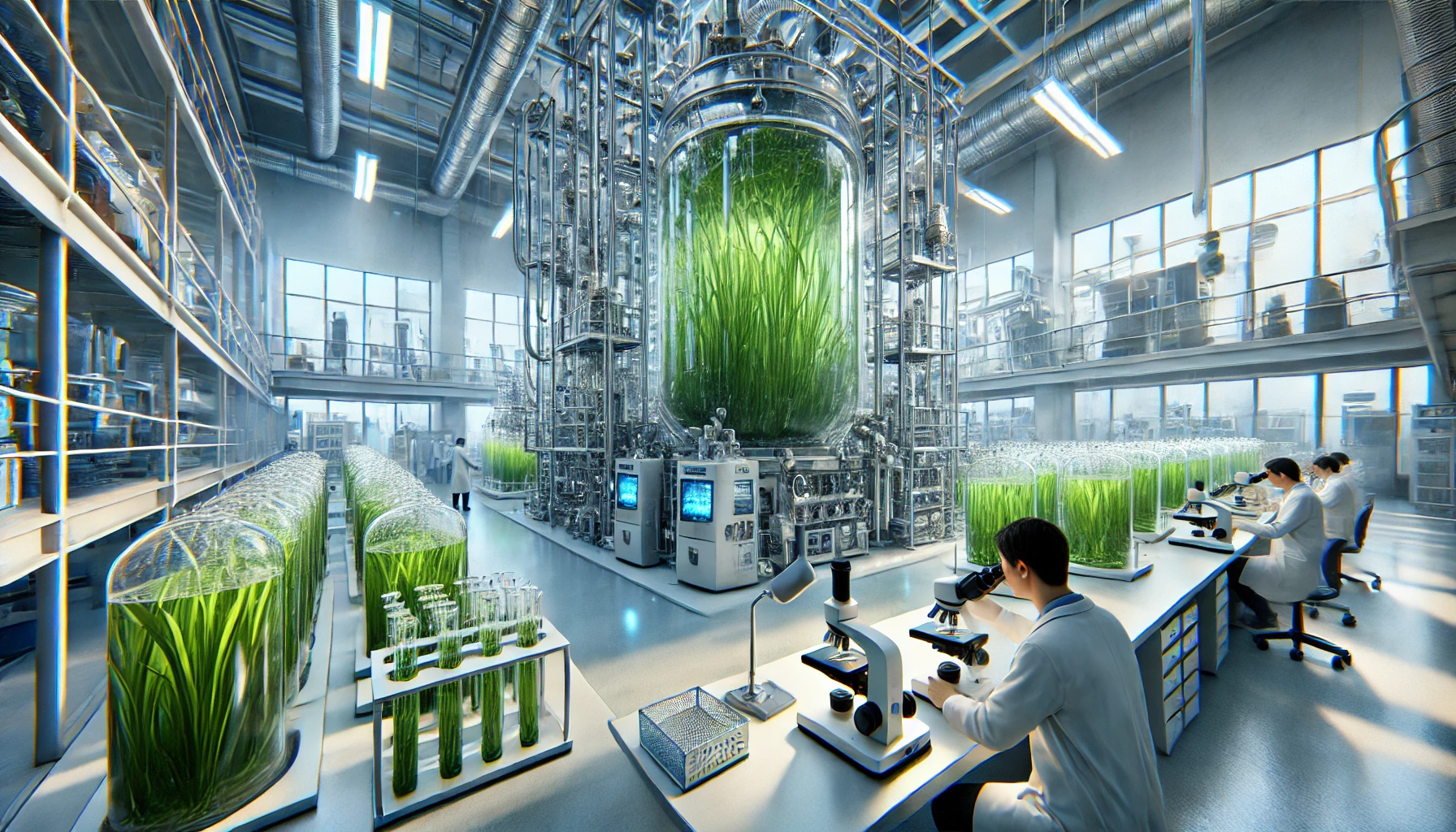
The National Renewable Energy Laboratory (NREL) has been at the forefront of algae biofuel research. Through extensive research and collaboration with industry leaders, NREL has made significant advances in algae species development, cultivation systems, and biofuel conversion technologies. NREL’s work has contributed to improving algae growth rates, lipid yields, and energy efficiency in algae-based biofuels.
One of NREL’s major contributions is the development of algal strains that can produce higher oil yields under controlled conditions. Their research into bioreactor design and integrated cultivation systems is helping to reduce the costs of algae biofuel production, making it a more viable option for large-scale energy generation.
NREL’s Key Focus Areas in Algae Biofuel Research:
-
Strain selection and genetic improvement: Developing algae strains that are more oil-rich and resilient to environmental stress.
-
Advanced cultivation techniques: Optimizing the algal culture process to maximize biomass productivity and oil extraction.
-
Integration with existing infrastructure: Working on ways to integrate algae-based biofuels with current fuel production systems, as well as exploring the potential for algae to help treat wastewater.
Algae-Based Biofuels
The future of algae-based biofuels is full of potential. With increasing demand for renewable energy and the growing need to reduce carbon emissions, algae presents an opportunity to revolutionize the energy sector. Here are some trends to watch for:
-
Commercialization of large-scale algae farms: As production techniques improve and costs decrease, we may see the development of massive algae farms that can produce significant quantities of biofuels to meet the growing global energy demand.
-
Integration with waste management systems: Algae production systems can be integrated with wastewater treatment processes, providing an additional benefit of cleaning water while producing valuable energy. This approach could reduce both energy consumption and pollution.
-
Technological advancements: Continued research into algae strains, biomass conversion, and oil extraction technologies will help make algae biofuels more cost-competitive with conventional fuels.
-
Sustainability in biofuel production: As algae-based biofuels become more efficient, they could play a key role in achieving sustainability goals, contributing to a carbon-neutral future.
The Economic Viability of Algae-Based Biofuels
While the potential of algae-based biofuels is undeniable, for them to become a mainstream energy source, it is crucial that they are economically viable. At present, algae biofuels are often more expensive to produce than conventional petroleum fuels, making large-scale commercialization a challenge. However, significant strides are being made to reduce costs and improve the economic feasibility of algae-based biofuels.
1. Cost of Cultivation and Harvesting
One of the key factors affecting the economic viability of algae-based biofuels is the cost of cultivating and harvesting algae. While algae growth is highly productive, it requires controlled environments, nutrients, and adequate light, all of which can add up to significant costs. Traditional methods such as open pond systems and bioreactors are being optimized to reduce capital investment and operational costs.
Strategies to Lower Cultivation Costs:
-
Improved Algal Strains: Genetic modifications can enhance algae’s ability to grow under a variety of conditions, reduce the need for external nutrients, and boost lipid yields. The development of highly productive strains that require less light and nutrient input can significantly lower production costs.
-
Use of Non-Arable Land and Wastewater: Algae can be grown on non-arable land, thus avoiding competition with food crops. Moreover, algae cultivation in wastewater or carbon dioxide-rich emissions from power plants not only reduces the cost of cultivation but also addresses pollution and water treatment issues.
-
Algal Turf Scrubber: This system grows algae on sloped surfaces while utilizing wastewater as a nutrient source. It’s a low-cost, sustainable algae cultivation method that reduces the overall expenses involved in algae farming.
2. Efficiency of Oil Extraction and Processing
Once algae are harvested, the oil extraction process is another significant cost. Extracting oils from algal cells can be energy-intensive, requiring high-energy solvents, mechanical presses, or supercritical CO2 extraction techniques. Optimizing this step is essential for making algae-based biofuels cost-competitive with conventional petroleum fuels.
Innovations in Oil Extraction:
-
Mechanical Pressing and Drying: More efficient pressing and drying methods are being developed to remove moisture and facilitate oil extraction. These methods reduce reliance on expensive chemical solvents, which can also have environmental concerns.
-
Thermochemical Conversion: The process of hydrothermal liquefaction (HTL) has emerged as an energy-efficient way to convert whole algal biomass into bio-crude oil. This technique allows for the conversion of not only the lipid-rich algae but also the non-lipid biomass, improving the overall yield and efficiency of biofuel production.
-
Solvent-free Oil Extraction: Researchers are working on creating enzyme-based methods and mechanical systems that use less energy and chemicals to extract oil from algae. These methods focus on using biological systems or physical processes that are more environmentally friendly and cost-effective.
3. Economic Benefits of Algae-Based Biofuels
Despite the current challenges, algae biofuels offer significant long-term economic benefits, both for businesses and the environment.
Job Creation and Industry Development
As algae biofuels become more mainstream, there will be a growing need for skilled labor in algae cultivation, harvesting, extraction, and fuel production. This will help create jobs in biofuel research, biotechnology, and sustainable energy, especially in regions that are investing in renewable energy infrastructure.
Potential for Global Market Expansion
Algae-based biofuels also have the potential to create a new global market for biofuel production. Countries with coastal regions or abundant wastewater resources can take advantage of algae’s ability to grow in non-arable areas. This could diversify global energy supply chains, reducing reliance on fossil fuel imports and fostering energy independence for nations worldwide.
Cost Parity with Conventional Fuels
With advancements in biotechnology and algae farming techniques, the cost of algae-based biofuels is expected to decrease over time. In the future, algae biofuels could reach cost parity with conventional petroleum fuels, making them competitive with other biofuels such as ethanol and biodiesel. This would make algae biofuels a major player in the energy markets, alongside renewable energy sources like solar and wind power.
The Role of Algae in the Circular Economy
Algae’s ability to contribute to sustainable energy production is just one part of its potential. By integrating algae biofuels with a circular economy, it is possible to reduce waste and make energy production more efficient.
1. Algae’s Role in Wastewater Treatment
One innovative aspect of algae cultivation is its potential for wastewater treatment. Algae can absorb nutrients such as nitrogen and phosphorus from wastewater, helping to clean polluted water while simultaneously producing biomass for biofuel production. This method not only provides clean energy but also addresses critical issues such as water pollution and eutrophication (excessive algae growth in water bodies).
Example: Algal Turf Scrubbers
The algal turf scrubber is a particularly exciting technology in which algae are cultivated on sloped surfaces while absorbing nutrients from wastewater. This technology allows algae to be grown in a continuous flow system, where nutrients are removed from the wastewater while also growing the algae that can be harvested for biofuel production.
This process provides a win-win solution: reducing the environmental impact of wastewater while producing renewable energy.
2. Biomass Utilization Beyond Biofuels
Another benefit of algae is its ability to contribute to the circular economy through the use of its biomass beyond biofuels. After extracting the oil for biofuel production, the remaining algal biomass can be repurposed in several ways, including:
-
Animal feed: Algal biomass can be converted into protein-rich feed for livestock, aquaculture, and poultry.
-
Fertilizer: The organic matter in algae can be used as a natural fertilizer, reducing the need for synthetic fertilizers.
-
Bioelectricity: Algae-based biomass can be used to generate bioelectricity through anaerobic digestion, producing methane gas for power generation.
-
Bioplastics: Algae biomass can be processed into bioplastics, offering a sustainable alternative to petroleum-derived plastics.
These applications make algae a versatile and sustainable resource, supporting both energy production and the broader goals of the circular economy.
The Future of Algae-Based Biofuels: Research, Development, and Policy
The future of algae-based biofuels depends heavily on continued research and development and supportive policy frameworks. Governments, businesses, and research institutions worldwide are investing in algae biofuel technologies to overcome the current scaling and economic challenges.
1. Government Support and Policy Development
As the world works toward renewable energy goals and reducing carbon emissions, governments are beginning to recognize the potential of algae biofuels. Financial incentives, subsidies, and research grants are being offered to companies and research institutions working on algae-based fuel technologies.
For instance, the U.S. Department of Energy’s National Renewable Energy Laboratory (NREL) has been supporting algae biofuel research for over a decade. NREL’s work focuses on improving the productivity and energy efficiency of algae biofuel systems, which could lead to the commercial viability of algae-based biofuels.
In addition, several countries, including India, Brazil, and China, are investing in algae biofuel production as part of their national renewable energy strategies, aiming to create sustainable energy systems and reduce dependence on fossil fuels.
2. The Road to Commercialization
To move algae biofuels from research labs to commercial production, several key developments must occur:
-
Scaling up production: Continued investment in large-scale algae farms and advanced cultivation systems will be essential to meeting the energy demands of the global market.
-
Improving oil extraction: Developing more cost-effective and efficient extraction methods will make algae biofuels more competitive with petroleum-derived fuels.
-
Integrating biofuels with existing infrastructure: To successfully integrate algae-based biofuels into the global energy supply, the infrastructure for production, distribution, and refining must be developed to accommodate this new source of renewable energy.
-
Collaboration between industry and academia: Universities and research institutions will need to continue partnering with industry to drive innovation in algae biofuels, improving efficiency, reducing costs, and accelerating commercialization.
Conclusion

Algae-based biofuels represent a promising and sustainable solution to the world’s growing energy needs. With their potential for high energy production, carbon sequestration, and environmental responsibility, algae biofuels could play a critical role in reducing our reliance on fossil fuels and mitigating the effects of climate change. However, challenges such as scaling production, economic viability, and technological barriers remain. Continued research and development in algae biofuels is crucial for overcoming these obstacles and making algae a mainstream renewable energy source.
For more information on algae biofuels, renewable energy, and sustainability, check out these resource:
As biofuel production advances, algae-based biofuels could become a cornerstone of our global energy system, providing clean energy for the future.

Thank you for your sharing. I am worried that I lack creative ideas. It is your article that makes me full of hope. Thank you. But, I have a question, can you help me?