
What is an Electric Vehicle?
Definition of an Electric Vehicle
An electric vehicle (EV) is a car powered by an electric motor that draws energy from a battery pack that can be charged through an external source. Specifically, a battery electric vehicle (BEV) is solely powered by an electric motor that draws energy from a rechargeable battery. Unlike conventional vehicles that rely on gas engines, EVs run on electricity, making them an eco-friendly alternative to traditional gasoline-powered cars.
Types of Electric Vehicles
Electric cars come in different types, each with its unique advantages:
-
Battery Electric Vehicles (BEVs): Fully powered by electricity, BEVs rely entirely on EV batteries and electric motors. Examples include Tesla Model 3, Nissan Leaf, and Chevrolet Bolt.
-
Plug-in Hybrid Electric Vehicles (PHEVs): These vehicles combine a gas engine with an electric battery, allowing them to switch between electric and fuel-powered driving. Examples include Toyota Prius Prime and Hyundai Ioniq Plug-In Hybrid.
-
Hybrid Electric Vehicles (HEVs): Unlike PHEVs, HEVs cannot be plugged in. Instead, they use regenerative braking to charge their batteries while driving. Examples include Honda Insight and Toyota Camry Hybrid.
-
Fuel Cell Electric Vehicles (FCEVs): These vehicles utilize a hydrogen fuel cell to generate electricity that powers their electric motors. FCEVs are refueled with pressurized hydrogen, and the only emissions produced are heat and potable water. Examples include Toyota Mirai and Hyundai Nexo.
Why Buy an Electric Car?
Environmental Benefits
Electric cars play a vital role in reducing carbon emissions, helping combat climate change. Their primary benefits include:
-
Zero tailpipe emissions, reducing air pollution and contributing to cleaner cities.
-
Sustainable energy sources, as electricity generation can come from renewable energy such as solar and wind power.
-
Lower dependency on fossil fuels, decreasing the impact of oil extraction and transportation.
Cost Savings
-
Lower operating costs, as electricity is cheaper than gasoline. EV owners can also benefit from financial savings through home charging and potential rebates for charging station installation.
-
Reduced maintenance costs, with EVs having fewer moving parts, eliminating the need for oil changes and engine-related repairs.
-
Government incentives, such as the Inflation Reduction Act, offer EV tax credits up to $7,500.
Performance and Technology
-
Instant torque, delivering smooth acceleration and a quiet driving experience.
-
Advanced safety features, including regenerative braking and automated driving technology.
-
Long-lasting battery life, with modern EV batteries designed to last over 200,000 miles.
How Electric Vehicles Work
Electric Motor and Battery
An electric motor converts electrical energy into mechanical energy, powering the car. The EV battery pack stores energy and determines the driving range.
Charging Systems
Electric cars require charging from dedicated EV charging stations, offering the convenience of home charging compared to the need to visit a gas station for traditional vehicles. There are three main types:
|
Charging Level |
Power Output |
Charging Time |
|---|---|---|
|
Level 1 (120V) |
2-5 miles per hour |
12+ hours |
|
Level 2 (240V) |
10-60 miles per hour |
4-8 hours |
|
DC Fast Charging |
150-350 kW |
80% charge in 30 minutes |
Electric Vehicle Architecture
Unlike gas cars, EVs have a unique structure, integrating the battery pack into the chassis, improving weight distribution and handling.
Electric Vehicle Pros and Cons
Advantages of Electric Vehicles
-
Lower emissions, reducing greenhouse gas emissions.
-
Cost-effective fuel, with electricity costs lower than gasoline.
-
Smoother drive, thanks to instant torque.
Disadvantages of Electric Vehicles
-
Limited range, though many models now exceed 300 miles.
-
Charging time, with Level 1 charging taking the longest.
-
Higher upfront cost, though tax credits and incentives can offset this.
Common Misconceptions
-
“EVs are not suitable for long road trips.” Modern EVs have longer range and a growing network of DC fast chargers.
-
“EV batteries degrade quickly.” New battery technologies can last 15+ years.
-
“EVs are not as safe as gasoline-powered cars.” Many EVs receive top safety ratings, thanks to their low center of gravity and crumple zones.
Electric Car Models and Manufacturers
Available Electric Car Models
|
Brand |
Model |
Range (Miles) |
|---|---|---|
|
Tesla |
Model 3 |
353 |
|
Chevrolet |
Bolt EV |
259 |
|
Nissan |
Leaf |
226 |
|
Hyundai |
Kona Electric |
258 |
|
Ford |
Mustang Mach-E |
312 |
The market is buzzing with excitement around new electric cars, offering a wide range of models to choose from.
Electric Car Manufacturers
-
Tesla, Nissan, Chevrolet, Hyundai, Audi, BMW, Ford, and Volkswagen lead in EV production.
-
New players like Rivian, Lucid Motors, and Polestar are entering the market with premium EV options.
Electric Vehicle Costs and Incentives
Upfront Cost of Electric Vehicles
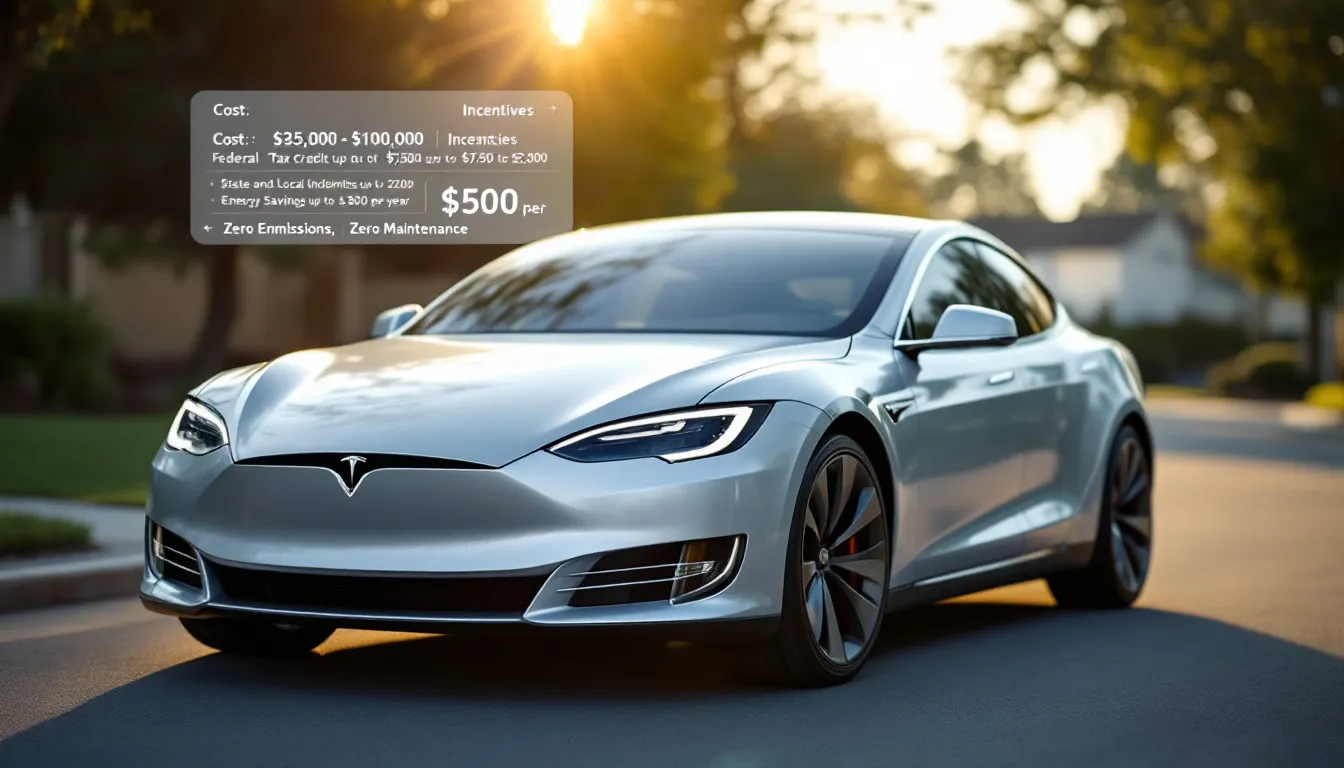
The initial cost of an EV can be higher, but federal and state incentives help offset expenses:
-
Federal EV Tax Credit: Up to $7,500.
-
State and Local Incentives: Additional rebates depending on your location.
-
Lower insurance rates, as EVs are considered safer by insurance companies.
Charging Costs and Payment Options
-
Home Charging: Costs $0.10 – $0.30 per kWh, equating to $5-$15 per full charge.
-
Public Charging Stations: Vary by provider, with subscription-based or pay-as-you-go options.
For detailed tax credit information, visit IRS EV Tax Credit.
Tax Credits and Rebates
When considering the purchase of an electric vehicle, it’s important to factor in the various tax credits and rebates available. In the United States, the federal government offers a substantial tax credit of up to $7,500 for qualifying electric vehicles. This incentive can significantly reduce the initial cost of your new electric car, making it a more attractive option.
In addition to federal incentives, many states and local governments provide their own financial benefits. For instance, California offers a rebate of up to $5,000 for electric vehicle purchases, while New York provides a rebate of up to $2,000. These state-level incentives can further lower the overall cost, making electric vehicles more accessible to a wider range of buyers.
By taking advantage of these tax credits and rebates, electric car buyers can enjoy significant savings, making the transition to an eco-friendly vehicle more financially feasible.
Government Incentives
Governments worldwide are actively promoting the adoption of electric vehicles through various incentives. These initiatives aim to reduce greenhouse gas emissions and encourage the use of sustainable transportation.
In the UK, the government offers a grant of up to £3,500 for the purchase of an electric vehicle. This grant helps offset the higher upfront cost of electric cars, making them more competitive with traditional gasoline-powered vehicles. Similarly, the Chinese government provides a generous subsidy of up to 50,000 yuan (approximately $7,200) for electric vehicle purchases. This substantial financial support has been instrumental in making China one of the largest markets for electric vehicles globally.
These government incentives, combined with investments in charging infrastructure and other supportive measures, are driving the global shift towards electrified vehicles. By taking advantage of these programs, consumers can contribute to a cleaner environment while enjoying the benefits of electric car ownership.
Electric Car Charging
Charging your electric car is a crucial aspect of ownership, and understanding the different charging options can help you make the most of your electric vehicle. There are several types of charging systems available, each with its own advantages and considerations.
Home Charging Systems
For many electric vehicle owners, home charging is the most convenient and cost-effective option. There are two main types of home charging systems: Level 1 and Level 2.
-
Level 1 Charging: This method uses a standard 120-volt outlet, which is available in most homes. While it’s the most accessible option, it is also the slowest, taking up to 24 hours to fully charge an electric vehicle. Level 1 charging is best suited for overnight charging or for those who drive shorter distances daily.
-
Level 2 Charging: This system requires a 240-volt outlet, similar to what is used for large home appliances like dryers. Level 2 charging is significantly faster, typically taking 4-8 hours to fully charge a vehicle. Many electric vehicle owners opt to install a Level 2 charging system at home, which can cost between $500 and $2,000, depending on the installation requirements.
Investing in a home charging system can provide the convenience of charging your electric vehicle overnight, ensuring it’s ready to go each morning.
Public Charging Networks
Public charging networks are expanding rapidly, making it easier than ever to charge your electric vehicle on the go. These networks include a mix of Level 2 and DC Fast Charging stations, strategically located along highways, in urban areas, and at popular destinations.
-
Level 2 Charging: These stations are ideal for longer stops, such as shopping centers or workplaces, where you can leave your car to charge for a few hours.
-
DC Fast Charging: For quick top-ups, DC Fast Charging stations can charge your vehicle to 80% in as little as 30 minutes. These are perfect for long road trips or when you need a rapid charge.
Many public charging networks offer membership programs or pay-per-use options, providing flexibility and convenience for electric vehicle owners. With the growing number of charging stations, finding a place to charge your electric car is becoming increasingly easy.
Charging Costs and Speed
The cost and speed of charging your electric vehicle can vary based on the type of charging system and local electricity rates.
-
Home Charging: On average, it costs between $3 and $5 to charge an electric vehicle for 100 miles. This makes home charging a cost-effective option compared to traditional gasoline.
-
Public Charging: Costs can vary depending on the provider and location. Some networks offer subscription plans that can reduce the per-charge cost, while others operate on a pay-as-you-go basis.
Charging speed is another important consideration. While Level 1 charging can take up to 24 hours, Level 2 charging typically takes 4-8 hours, and DC Fast Charging can provide an 80% charge in just 30 minutes. Understanding these options can help you plan your charging needs and ensure your electric vehicle is always ready when you need it.
By exploring the various charging options and understanding the associated costs and speeds, you can make informed decisions about how to best charge your electric vehicle, whether at home or on the go.
Electric Vehicle Maintenance and Reliability
Maintenance and Repair
EVs have fewer moving parts, reducing the likelihood of mechanical failures. Regular maintenance includes:
-
Battery health checks
-
Brake inspections (thanks to regenerative braking)
-
Tire rotations
EV Warranty and Battery Life
-
Most EV manufacturers offer an 8-year/100,000-mile battery warranty.
-
Modern EV batteries can last over 15 years with proper care.
Conclusion: Is an Electric Vehicle Right for You?
Electric cars are no longer a futuristic concept but a viable transportation option for many buyers. Whether you prioritize lower operating costs, environmental sustainability, or cutting-edge technology, an EV might be the right choice for you.
By considering factors like charging availability, driving range, incentives, and total cost of ownership, you can make an informed decision when purchasing your next electric vehicle. As public charging infrastructure expands and battery technology advances, the future of electric mobility is brighter than ever.
For more insights on EV ownership, visit Consumer Reports Electric Cars and U.S. Department of Energy EV Guide.

Can you be more specific about the content of your article? After reading it, I still have some doubts. Hope you can help me.
Your point of view caught my eye and was very interesting. Thanks. I have a question for you.