

Voice recognition technology has become an essential part of our daily lives, enhancing the way we interact with devices, process information, and accomplish tasks. In this guide, we’ll take an in-depth look into the working, benefits, applications, and future of this transformative technology. Whether you’re a tech enthusiast, a business professional, or simply curious about how your voice search commands work, this comprehensive article will provide valuable insights into voice recognition tech.
What is Voice Recognition Technology?
Voice recognition technology, often referred to as speech recognition, enables machines to identify and process human speech. This powerful technology converts spoken words into digital data, allowing computers and devices to understand and respond to verbal commands. It operates through complex algorithms and machine learning models that analyze audio input, interpret spoken language, and execute actions based on commands.
How Does Voice Recognition Work?
Voice recognition systems work by breaking down human speech into digital data that a computer can interpret. Here’s an overview of the process:
-
Audio Input Capture: The system first receives an audio input—this could be a spoken command or question.
-
Audio Processing: The input is processed, with background noise filtered out to improve clarity.
-
Feature Extraction: Specific features of the speech, such as tone, frequency, and speech patterns, are identified.
-
Pattern Matching: These features are matched against a database of recognized speech patterns.
-
Interpretation and Action: The command is interpreted, triggering the corresponding response or action.
This technology utilizes natural language processing (NLP) and artificial intelligence (AI) to interpret language accurately, even accommodating spoken commands across different languages, dialects, and accents.
Key Components of Voice Recognition Systems
Voice recognition systems rely on several components to ensure they can accurately interpret spoken words and respond effectively. Below, we’ll explore the core components:
1. Voice Data Collection and Audio Input
Voice data is collected from spoken language and converted into digital format. Analog audio signals are captured and then converted into a digital format that computers can process. Smart devices, mobile devices, and specialized voice recognition software such as Dragon NaturallySpeaking and Google Assistant use this process to enhance user interaction through voice commands.
2. Speech to Text Conversion Using NLP
Natural Language Processing (NLP) enables machines to understand, interpret, and respond to human speech. Speech-to-text technology converts spoken language into written text, which the operating system then processes to derive meaning. This functionality is pivotal for virtual assistants, allowing users to interact with devices in real time without needing a physical keyboard.
3. Machine Learning and Pattern Recognition
Machine learning (ML) algorithms are at the heart of many voice recognition systems. By continuously analyzing voice data, these algorithms learn to recognize patterns extracted features in speech and improve their accuracy over time. Through feature extraction, ML can identify individual speaker traits, enabling speaker recognition and biometric authentication based on voice.
4. Handling Background Noise
One major challenge for voice recognition tech is filtering out background noise. Advanced systems are designed to distinguish between primary speech input and irrelevant sounds, ensuring more accurate responses in noisy environments like public spaces or during phone calls.
Benefits of Voice Recognition Technology
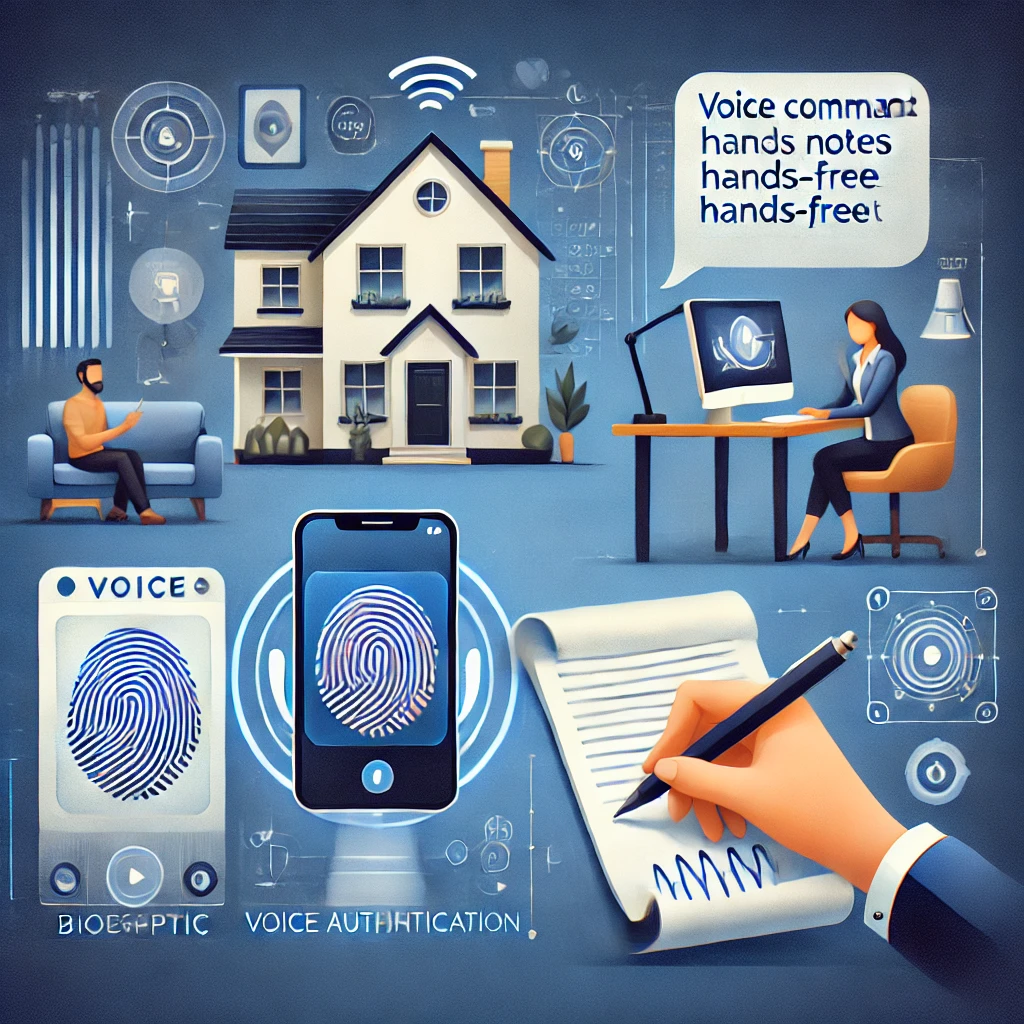
Voice recognition technology offers numerous advantages, making it indispensable across various fields. Let’s explore the most notable benefits:
1. Hands-Free Interaction and Accessibility
Voice commands allow for hands-free control, making technology particularly beneficial for users with disabilities or limited mobility. For instance, smart home devices enable users to control lights, thermostats, and more simply by speaking. This technology is also widely used in modern cars, where drivers can give commands without taking their hands off the steering wheel.
2. Productivity Boost and Reduced Strain
For professionals, voice recognition enhances productivity by allowing hands-free data entry, dictation, and note-taking. This reduces repetitive tasks, alleviating strain and risk of injuries such as Repetitive Strain Injury (RSI). Systems like Dragon Professional are widely used for transcribing, creating documents, and navigating systems through which use voice recognition alone.
3. Enhanced Security and Personalized Experiences
Voice recognition identifies individual users, adding an extra layer of biometric authentication. This personalized experience is common in virtual assistants like Apple Siri and Google Assistant, which recognize individual voices and tailor responses to each user.
Case Study: Healthcare providers are adopting voice recognition software to streamline patient records management and reduce time spent on manual data entry. Virtual assistants in healthcare help doctors by managing appointments and accessing patient files through voice commands, thus enhancing efficiency and accuracy in patient care.
Applications of Voice Recognition Technology Across Industries
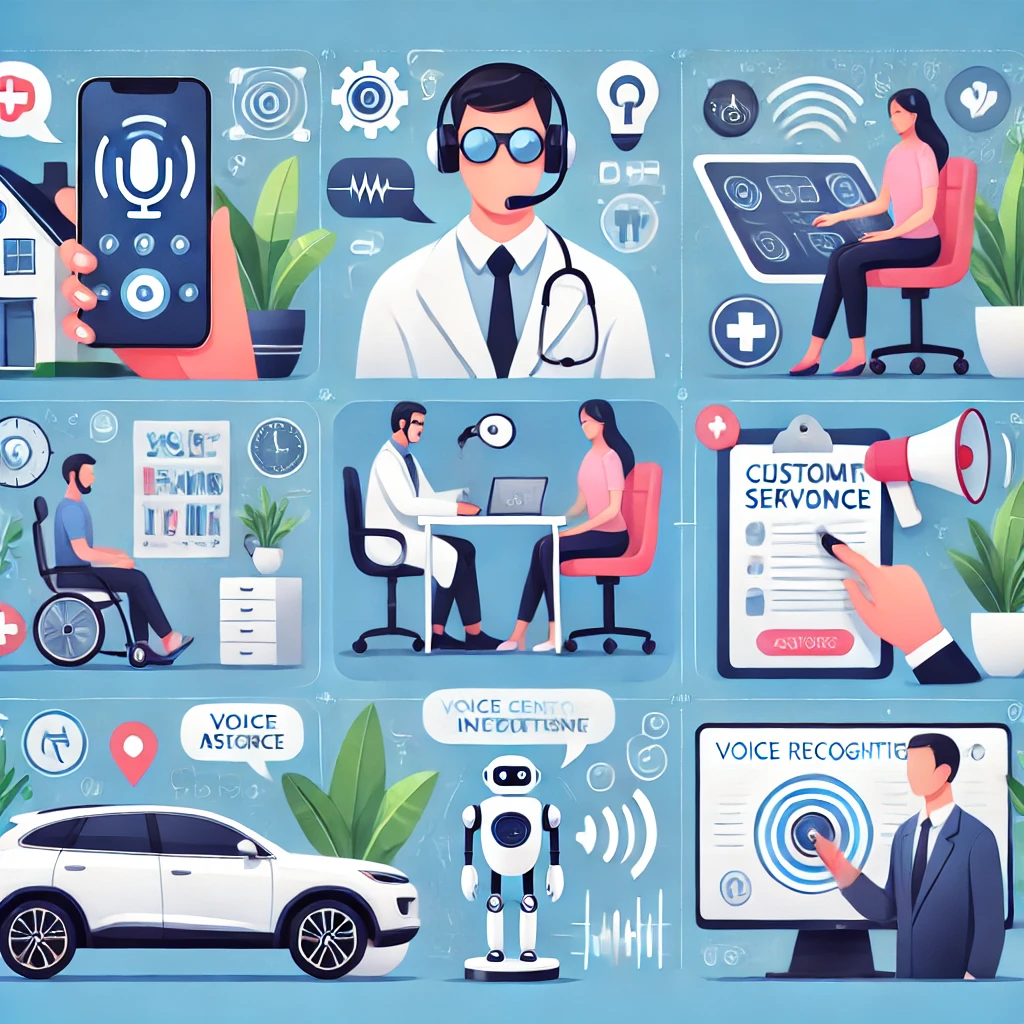
Voice recognition technology is applied across various industries, transforming how businesses operate and interact with customers. Here are some prominent applications:
1. Virtual Assistants and Smart Home Devices
Smart speakers such as Google Home and Amazon Alexa have popularized voice control in households. Users can perform tasks like setting reminders, controlling lighting, and streaming media. Voice-enabled smart home devices make everyday interactions more convenient and accessible.
2. Healthcare and Medical Applications
In healthcare, voice recognition aids in transcription services taking notes and data entry. For instance, Dragon Professional is widely used by medical professionals for creating detailed patient notes via voice commands, eliminating the need for typing.
3. Customer Service and Automated Phone Systems
Automated customer service systems use speech recognition technology to interpret customer inquiries and provide real-time responses. Voice-activated systems can streamline support services, enhancing the customer experience through quick and accurate responses.
4. Automotive Industry and Safer Driving
Voice recognition has become a standard in modern cars, allowing drivers to make calls, change settings, or use GPS navigation while hands free calling in-free. This hands-free interaction promotes safer driving by reducing distractions.
Challenges and Limitations of Voice Recognition Technology
Despite its numerous benefits though, voice recognition tech faces certain challenges:
-
Accuracy Issues with Background Noise: Recognizing speech accurately in noisy environments remains challenging.
-
Accent and Language Barriers: Many voice recognition systems struggle with diverse accents and languages, limiting accessibility.
-
Device Processing Power: Complex voice commands require significant processing power, impacting the performance of some mobile devices.
-
Privacy and Security Concerns: Voice data can be vulnerable to misuse, highlighting the need for secure voice recognition protocols and encrypted data storage.
Addressing these limitations is essential for the ongoing improvement of voice recognition technology and its broader adoption.
Future of Voice Recognition Technology

The future of voice recognition tech promises significant advancements in voice assistants, driven by continuous research in machine learning and artificial intelligence.
1. Improved Multilingual Support and Accent Recognition
As AI continues to evolve, voice recognition systems are expected to become more adaptable, supporting multiple languages and a wider range of accents.
2. Integration with AI for Contextual Awareness
AI integration will enable voice recognition systems and intelligent assistants to process contextual information, allowing for more accurate and intuitive responses. For example, virtual assistants will be able to adapt responses based on the user’s past interactions, making the experience more personalized and useful.
3. Enhanced Security Features with Voice Biometrics
Voice recognition is evolving to include more secure biometric authentication methods, reducing the risk of unauthorized access to personal assistant. This will become increasingly important as voice technology is used more widely in financial and healthcare sectors.
Quote: “The combination of voice recognition and artificial intelligence has the potential to revolutionize user experience, enabling devices to respond in a highly personalized and context-aware manner.” — TechFuture Institute
Accessing Voice Recognition on Various Devices
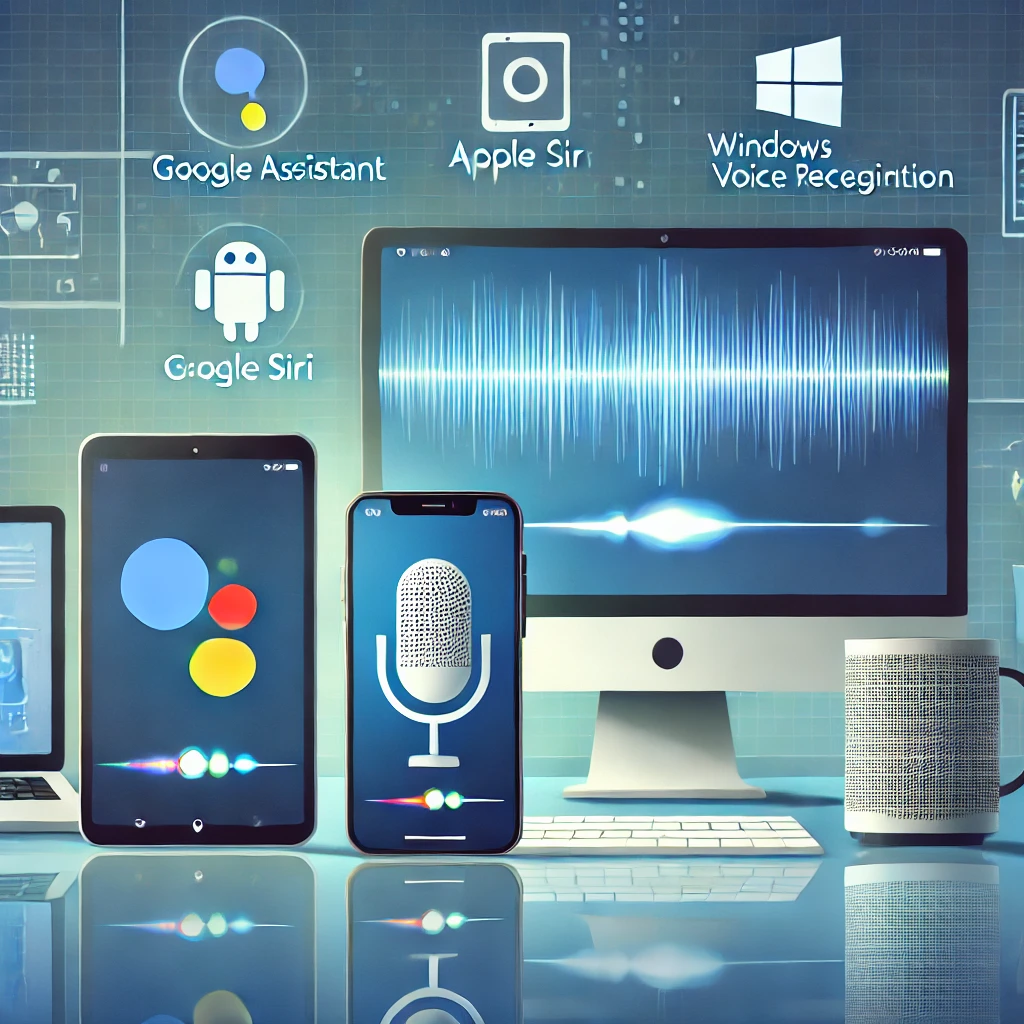
Most modern devices come with built-in voice recognition software that can be accessed easily:
-
Windows: Voice recognition is available through the “Ease of Access” settings.
-
Android: Android phones come with Google Assistant, which offers extensive voice command options.
-
Apple Devices: Apple’s Siri can be accessed on iOS and macOS, making it easy to control devices hands-free.
Tips for Effective Voice Recognition Usage
To maximize the accuracy, security systems and convenience of voice recognition technology:
-
Speak Clearly and Consistently: Clear enunciation helps the software recognize words more accurately.
-
Regularly Train the System: Most voice recognition systems improve over time with use, so regular interaction enhances its familiarity with your voice.
-
Limit Background Noise: Ensure a quiet environment when using voice commands for optimal results.
Conclusion
Voice recognition technology has transformed how we interact with devices, making it easier to perform tasks through spoken commands. While challenges such as noise interference and privacy concerns exist, the future of voice recognition is promising. As AI and machine learning continue to advance, voice recognition will become even more integral to our daily lives, with applications expanding across industries and devices. From enhancing accessibility to improving productivity to enhancing user interaction, the benefits of voice recognition technology are numerous and profound.

Is your business ready to grow? I’ll help you collect contacts from local companies to fuel your success. https://telegra.ph/Personalized-Contact-Data-Extraction-from-Google-Maps-10-03 (or telegram: @chamerion)
Good shout.