

Introduction
The accounting industry is undergoing a significant transformation, driven by the rapid advancements in artificial intelligence (AI) technology. As businesses increasingly rely on data-driven insights to make critical decisions, the role of AI in accounting has become more prominent than ever before. This article explores the current landscape of AI in accounting, its potential impact on the industry, and how professionals can adapt to this evolving landscape.
AI has the potential to revolutionize various industries, and accounting is no exception. By leveraging machine learning algorithms, natural language processing, and robotic process automation, AI can automate repetitive tasks, enhance accuracy, and provide real-time insights for decision-making. As a result, accounting firms that embrace AI technologies can gain a competitive edge, improve efficiency, and deliver better services to their clients.
According to an Accenture report, AI can boost productivity by up to 40% in the accounting industry. This highlights AI’s significance in driving growth and innovation in the field. As we delve deeper into AI’s applications in accounting, it becomes clear that this technology is not just a trend but a game-changer that will shape the industry’s future.
The Role of AI in Accounting
Artificial intelligence transforms the accounting industry by automating routine tasks, enhancing accuracy, speeding up data processing, and enabling real-time financial planning and monitoring. Let’s explore each of these aspects in detail.
Automation of Routine Tasks

One of the most significant benefits of AI in finance and accounting professionals is the automation of repetitive and time-consuming tasks. This includes:
Data Entry and Bookkeeping
AI-powered systems can automatically extract data from invoices, receipts, and other financial documents, eliminating the need for manual data entry. This not only saves time but also reduces the risk of errors.
Invoice Processing and Accounts Payable
AI can streamline the invoice processing workflow by automatically matching invoices with purchase orders, verifying vendor information, and routing invoices for approval. This helps process payments faster and improves cash flow and inventory management.
Accounts Receivable and Collections
AI can analyze customer payment histories, predict future trends based on which invoices will likely be paid late, and send automated reminders to customers. This helps reduce outstanding receivables and improve collections.
Enhancing Accuracy and Reducing Errors
Human error and errors are common issues in accounting, which can lead to significant financial losses and compliance issues. AI can help in minimizing these errors by:
- Validating data inputs and identifying anomalies or discrepancies
- Reconciling accounts and transactions in real-time
- Ensuring compliance with accounting standards and regulations
By leveraging machine learning algorithms, AI systems can learn from historical data and improve their accuracy over time. This helps reduce the risk of errors and enhance the overall quality of financial reporting.
Speeding Up Data Processing
AI can process vast amounts of financial data in seconds, which would take hours or even days for humans to complete. This enables accounting and finance professionals to:
- Generate financial reports and statements quickly
- Analyze large datasets to identify trends and patterns
- Provide real-time insights for decision-making
By speeding up data processing, AI enables accounting firms to be more responsive to their client’s needs and provide timely advice based on up-to-date information.
Real-Time Financial Monitoring

AI-powered systems can continuously monitor financial transactions and provide real-time alerts for unusual activities or potential fraud. This helps in:
- Detecting and preventing fraudulent activities
- Identifying areas of risk and opportunities for improvement
- Providing timely insights for decision-making
Real-time financial monitoring is particularly useful for large organizations with complex financial operations, where manual monitoring may not be feasible or effective.
AI Technologies Transforming Accounting
Several AI technologies are driving the transformation of the accounting industry. These include machine learning algorithms for predictive analytics, natural language processing for understanding financial documents, robotic process automation (RPA) for ledger entries and transactions, and AI-powered chatbots for customer service and internal queries.
Machine Learning Algorithms for Predictive Analytics
Machine learning algorithms can analyze vast amounts of financial data to identify patterns and predict future outcomes. This enables many accounting and finance professionals to:
- Forecast revenue and expenses accurately
- Identify potential cash flow issues and optimize working capital
- Predict the likelihood of customer churn or default
By leveraging predictive analytics, accounting firms can provide proactive advice to their clients and help them make informed business decisions.

Natural Language Processing for Understanding Financial Documents
Natural Language Processing (NLP) is an AI technology that enables computers to understand and interpret human language. In accounting, NLP can be used to:
- Extract key information from financial documents such as contracts, invoices, and reports
- Classify and categorize financial transactions based on their description
- Generate automated summaries of financial statements
NLP can significantly reduce the time and effort required for manual document processing and data analysis, enabling accounting professionals to focus on higher-value tasks.
Robotic Process Automation (RPA) in Ledger Entries and Transactions
Robotic Process Automation (RPA) is an AI technology that automates repetitive and rule-based tasks. In finance and accounting, RPA can be used to:
- Automate ledger entries and reconciliations
- Process transactions such as accounts payable and receivable
- Generate and distribute financial reports
RPA can help reduce the risk of errors, improve efficiency, and free up accounting professionals’ time for more strategic tasks.
AI-Powered Chatbots for Customer Service and Internal Queries
AI-powered chatbots can provide instant support to customers and employees, answering common queries related to billing, payments, and other financial matters. This helps in:
- Improving customer satisfaction and retention
- Reducing the workload on customer service teams
- Providing 24/7 support without additional staffing costs
Chatbots can also be used for internal queries, such as answering employees’ questions about expense reports, reimbursements, payroll, and other financial matters.
The Role of AI in Auditing
AI is transforming the accounting industry and revolutionizing the auditing process. By leveraging AI technologies, auditors can improve the efficiency of audit processes, enhance risk assessment and anomaly detection, enable continuous auditing and monitoring, and strengthen fraud detection capabilities.
Improving the Efficiency of Audit Processes
AI can automate various aspects of the audit process, such as financial analysis processes such as:
- Analyzing large volumes of financial data to identify potential issues
- Selecting audit samples based on risk factors and materiality
- Generating audit reports and documentation
By automating repetitive tasks, AI enables auditors to focus on higher-risk areas and provide more valuable insights to their clients.
AI in Risk Assessment and Anomaly Detection
AI can analyze financial data to identify potential risks and anomalies indicating fraudulent activities or errors. This includes:
- Identifying unusual transactions or patterns
- Detecting deviations from established policies and procedures
- Assessing the risk of material misstatements in financial statements
By leveraging AI for risk assessment and anomaly detection, auditors can provide more effective and efficient audits, reducing the risk of undetected issues.
Continuous Auditing and Monitoring
AI enables continuous auditing and monitoring of financial transactions, allowing auditors to identify potential issues in real time. This helps in:
- Detecting and preventing errors or fraud as they occur
- Providing timely insights for decision-making
- Improving the overall effectiveness of the audit process
Continuous auditing and monitoring are particularly useful for organizations with complex financial operations, where traditional periodic audits may not be sufficient.
Enhanced Fraud Detection Using AI
AI can analyze vast amounts of financial data to identify potential fraud indicators, such as:
- Unusual patterns or trends in transactions
- Inconsistencies between different data sources
- Behavioral anomalies of employees or vendors
By leveraging AI for fraud detection, auditors can uncover fraudulent activities that may be difficult to detect through traditional audit procedures. This helps in protecting organizations from financial losses and reputational damage.
According to a study by PwC, organizations that use AI for fraud detection can reduce the average duration of a fraud scheme by up to 50%. This highlights the effectiveness of AI in enhancing fraud detection capabilities and minimizing the impact of fraudulent activities.
AI Tools and Solutions for Accounting and Auditing
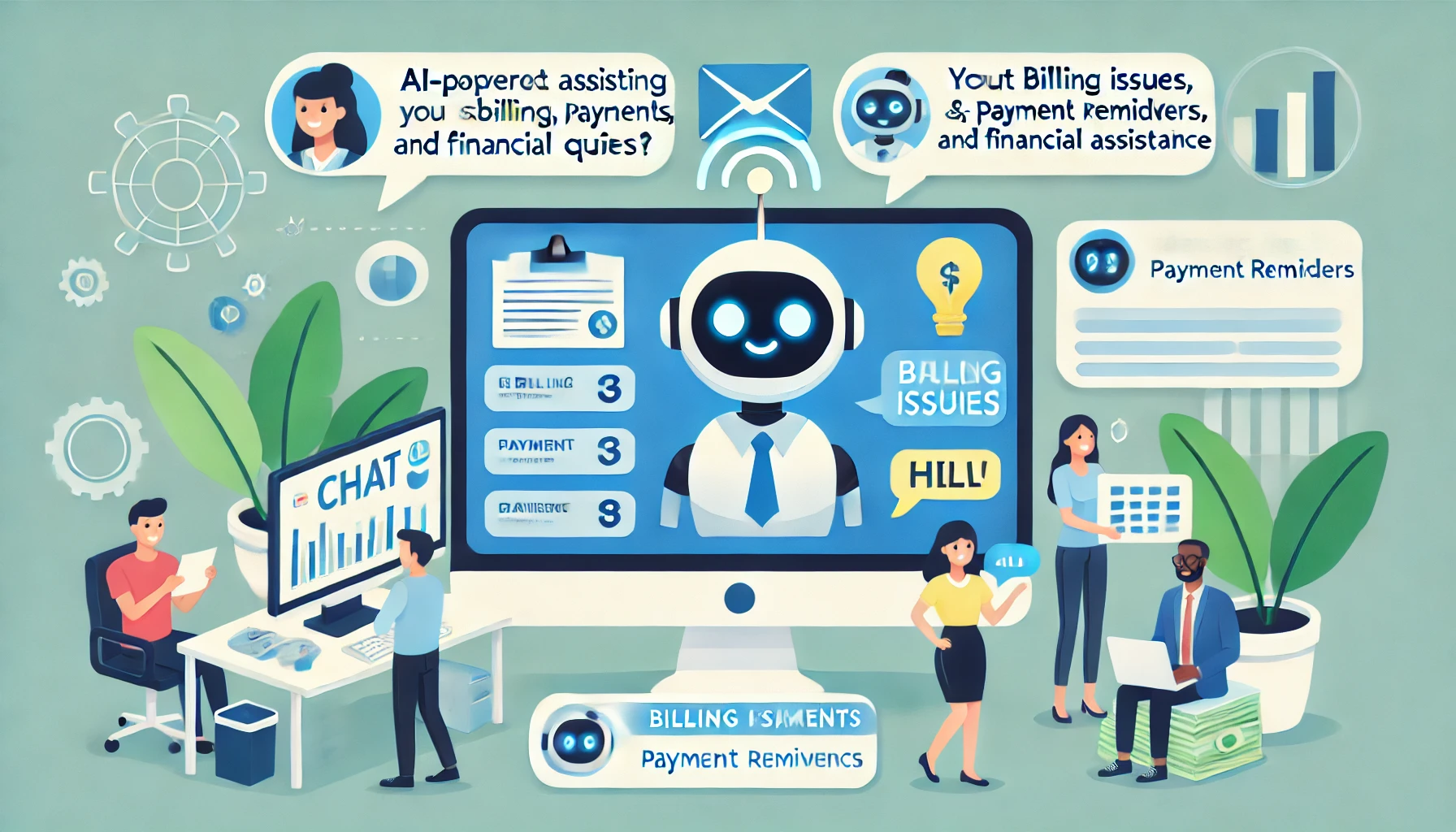
Various AI tools and solutions are available for accounting and auditing professionals. These tools leverage AI technologies such as machine learning, natural language processing, and robotic process automation to automate tasks, enhance accuracy, and provide valuable insights.
Examples of Popular AI Tools and Platforms
AI Accounting Software
AI-powered accounting software like QuickBooks, Xero, and Sage integrate AI capabilities into traditional accounting functions. These tools can automate data entry, reconciliations, and financial reporting, saving time and reducing errors.
Audit Analytics Platforms
Audit analytics platforms such as MindBridge and Validis use AI to analyze large volumes of financial data, identify potential risks and anomalies, and provide insights for auditors. These tools can help improve the audit process’s efficiency and effectiveness.
Fraud Detection Tools
AI-based fraud detection tools, such as Oversight and AppZen, can analyze financial transactions and identify potential fraud indicators in real-time. These tools can help organizations more effectively prevent and detect fraudulent activities.
Expense Management Solutions
AI-powered expense management solutions such as Expensify and Concur can automate the expense reporting and reimbursement process, reducing manual effort and improving accuracy.
Case Studies and Real-world Applications
Many accounting firms and organizations have successfully implemented AI tools, procurement processes, and solutions to improve their operations and deliver better client services. For example:
- KPMG uses AI to analyze vast amounts of financial data and identify potential risks and anomalies during the audit process. This has helped the firm improve the quality and efficiency of its audits.
- PwC leverages AI to automate various aspects of the audit process, such as analyzing contracts and lease agreements, identifying potential issues, and generating audit reports. This has enabled the firm to provide more valuable insights to its clients.
- Deloitte uses AI to analyze large volumes of financial data and identify potential fraud indicators. This has helped the firm detect fraudulent activities more effectively and protect its clients from financial losses.
Benefits and Challenges of Implementing AI in Accounting Firms
Implementing AI in accounting firms can provide significant benefits, such as:
- Improved efficiency and productivity
- Enhanced accuracy and reduced errors
- Real-time insights for decision-making
- Better risk management and fraud detection
However, there are also some challenges associated with implementing AI, such as:
- High initial investment costs
- Need for specialized skills and training
- Potential resistance from employees
- Data privacy and security concerns
To overcome these challenges, accounting firms must develop a clear AI strategy, take strategic initiatives, invest in the right tools and talent, and ensure effective change management and employee communication.
Challenges and Considerations
While AI offers numerous benefits for the accounting industry, several challenges and considerations need to be addressed. These include implementation costs and ROI, data security and privacy concerns, integration with existing systems and processes, the need for human oversight and judgment, ethical considerations, and potential job displacement.
Implementation Costs and ROI
Implementing AI technologies in accounting firms can be expensive, requiring significant software, hardware, and talent investments. Firms must carefully evaluate the potential return on investment (ROI) before implementing AI solutions.
According to a report by PWC, AI is expected to create $17.7 trillion of business value in 2030. However, the report also highlights that the ROI of AI initiatives varies widely, with some organizations achieving significant benefits while others struggle to realise value.
To maximize the ROI of AI investments, accounting firms must focus on use cases that provide the most significant benefits, such as automating repetitive tasks, improving accuracy, and enhancing decision-making capabilities.
Data Security and Privacy Concerns
AI systems rely on vast amounts of financial data to learn and improve performance. This raises concerns about data security and privacy, particularly in light of increasing cyber threats and regulatory requirements such as GDPR and CCPA.
Accounting firms must implement robust data security measures, such as encryption, access controls, and regular security audits, to protect sensitive financial information. They must also ensure compliance with relevant data privacy regulations and obtain necessary consent from clients and employees.
Integration with Existing Systems and Processes
Integrating AI technologies with existing accounting systems and processes can be challenging and require significant time and effort. Firms must ensure seamless integration to avoid disruptions to their operations and maintain data integrity.
This may require modifying existing systems, developing custom APIs, and extensive testing and validation. Firms must also ensure their employees are trained on the new systems and processes to minimize resistance and ensure effective adoption.
The Need for Human Oversight and Judgment
While AI can automate many tasks and provide valuable insights and more data, it still requires human oversight and judgment. Accounting professionals need to review and validate the outputs of AI systems to ensure accuracy and compliance with accounting standards and regulations.
Moreover, AI systems may be unable to handle complex or unusual transactions requiring professional judgment and human expertise. Accounting firms need to strike the right balance between automation and human intervention to ensure the highest quality of service.
Ethical Considerations and Potential Job Displacement
The increasing adoption of AI in accounting raises ethical considerations, such as the potential for job displacement and the need for responsible use of AI technologies.
According to a report by McKinsey, up to 800 million jobs worldwide could be displaced by automation by 2030. However, the report also highlights that new jobs will be created, and the overall impact of artificial intelligence on employment will depend on various factors such as economic and business growth,, technology adoption, and policy responses.
Accounting firms need to consider AI’s potential impact on their workforce and develop strategies for reskilling and upskilling their employees. They also need to ensure the responsible use of AI technologies, avoid biases, and ensure transparency and accountability.
Future Trends in AI for Accounting and Auditing
As AI technologies evolve, the accounting and auditing industry will likely see significant changes in its business models in the coming years. Some of the future trends in AI for accounting and auditing include:
Predicting Future Developments in AI for These Fields
Increased Adoption of AI
As AI’s benefits become more apparent, more accounting firms and organizations are likely to adopt AI technologies to improve their operations and stay competitive.
Advancements in Natural Language Processing
NLP technologies are expected to become more sophisticated, enabling AI systems to understand and interpret complex financial documents and conversations more accurately.
Integration with Blockchain
AI could be integrated with blockchain technology to enable secure and transparent financial transactions and record-keeping.
Predictive Analytics for Risk Management
AI-powered predictive analytics could be used to identify potential risks and opportunities for businesses, enabling proactive and more strategic initiatives and decision-making.
The Evolving Role of Accountants and Auditors with AI Integration
As AI automates many routine tasks, the role of accountants and auditors will likely evolve. Instead of spending time on manual tasks, professionals will focus on higher-value activities such as:
- Providing strategic advice and insights to clients
- Interpreting and communicating the results of AI analyses
- Ensuring the quality and accuracy of AI outputs
- Developing and implementing AI strategies for their organizations
According to a report by Sage, 82% of accountants believe that the accounting profession needs to accelerate the adoption of new technology to remain competitive. This highlights the importance of embracing AI and other emerging technologies to stay relevant in the future.
Skills and Training Required for Professionals to Adapt to AI Technologies
To thrive in the era of AI, accounting and auditing professionals need to acquire new skills and knowledge, such as:
- Understanding of AI technologies and their applications in accounting and auditing
- Data analytics and visualization skills
- Programming and coding skills (e.g., Python, R)
- Soft skills such as critical thinking, problem-solving, and communication
Accounting firms, accounting departments and educational institutions must invest in training and development programs to equip professionals with the necessary skills to work alongside AI systems.
Tips for Adopting AI in Your Accounting Practice
Adopting AI in your accounting practice can be a complex process, but the right approach can provide significant benefits. Here are some tips for successfully implementing AI in your accounting firm:
Assessing Your Organization’s Readiness for AI
Before implementing AI, it’s essential to assess your organization’s readiness in terms of:
- Data quality and availability
- IT infrastructure and capabilities
- Employee skills and knowledge
- Business processes and workflows
Conducting a thorough assessment can help identify gaps and areas for improvement, enabling further process improvement and smoother adoption of AI technologies.
Choosing the Right AI Tools and Solutions
With the wide range of AI tools and solutions available, choosing the ones that best fit your organization’s needs and goals is crucial. Consider factors such as:
- Compatibility with existing systems and processes
- Scalability and flexibility
- Vendor support and training
- Cost and ROI
It’s also essential to involve key stakeholders, such as IT, the finance teams, and operations, in the selection process to ensure buy-in and alignment with business objectives.
Training and Support for Staff
Implementing AI requires significant changes to existing processes and workflows, which can be challenging for employees. Adequate training and support are crucial for ensuring successful adoption and minimizing resistance.
This may include:
- Communicating the benefits and goals of AI adoption
- Providing hands-on training on new tools and processes
- Offering ongoing support and resources for troubleshooting and skill development
- Recognizing and rewarding employees who successfully adopt and leverage AI technologies
Monitoring and Measuring the Impact of AI Implementation
To ensure the success of AI adoption, monitoring and measuring its impact on your organization continuously is essential. This may include tracking metrics such as:
- Time and cost savings
- Accuracy and error rates
- Employee productivity and satisfaction
- Client feedback and retention
Regular monitoring and measurement can help identify areas for improvement and demonstrate the value of AI investments to stakeholders.
Conclusion
The rise of artificial intelligence is transforming the accounting industry, offering significant opportunities for improved efficiency, accuracy, and insights. As AI technologies evolve, accounting professionals must embrace these changes and acquire new skills to stay competitive in the future digital world.
Implementing AI in accounting firms requires careful planning, investment, and change management. By assessing readiness, choosing the right tools, providing training and support for hiring managers, and monitoring impact, firms can successfully adopt AI and realise its benefits.
As we look to the future, it’s clear that AI will play an increasingly important role in the accounting industry. Firms that proactively adopt and leverage AI technologies will be well-positioned to thrive in digital transformation.
FAQs
How much does AI accounting software cost?
The cost of AI accounting software varies depending on the tool and vendor. Some tools offer free or low-cost plans for small businesses, while enterprise solutions can cost thousands of dollars annually. It’s essential to evaluate the cost against the potential benefits and ROI.
Will AI replace human accountants?
While AI can automate many routine accounting tasks now, it’s unlikely to fully replace human accountants shortly. Instead, AI is expected to augment and enhance the work of accounting professionals, enabling them to focus on higher-value activities such as strategic advising and problem-solving.
What skills do accountants need to work with AI?
To work effectively with AI, accountants need a combination of technical and soft skills, such as big data, analytics, programming, critical thinking, and communication. Continuous learning and upskilling will be essential for staying relevant in the AI era.
How long does it take to implement AI in an accounting practice?
The timeline for implementing AI varies depending on the complexity of the solution and the organization’s readiness. A simple AI tool may be implemented in weeks, while a comprehensive AI platform may take several months to a year to fully integrate with existing systems and processes.
What are the most popular AI accounting tools?
Some popular AI accounting tools include QuickBooks, Xero, Sage, and Intuit. These tools offer a range of AI-powered features, such as automated data entry, financial reporting, and predictive analytics. Other popular tools include MindBridge for auditing, AppZen for expense management, and Oversight for fraud detection.
Thanks for sharing. I read many of your blog posts, cool, your blog is very good.