

Introduction to Recycling Innovations
The waste management industry is experiencing a dynamic transformation driven by cutting-edge recycling innovations and waste to resource technologies. These advances aim to support sustainable waste management, significantly reduce landfill waste, and improve the overall environmental impact of current waste management practices.
As climate change and resource scarcity pressures increase, recycling facilities are turning to next-generation recycling systems to recover valuable materials from waste streams. The focus is rapidly shifting toward a circular economy approach that redefines waste not as trash, but as a resource that can be reintegrated into production systems.
The emergence of automated systems, AI-powered sorting, and waste to energy technologies is enabling waste management companies to achieve higher recycling rates and develop sustainable solutions for managing plastic waste, organic waste, and electronic waste.
Smart Waste Management Systems
Smart waste management systems are reshaping the future of waste handling by introducing intelligent technologies that allow real-time decision-making and automated responses.
Features of Smart Waste Management Systems:
-
Smart waste bins with IoT sensors that monitor waste levels and material types.
-
GPS-optimized waste collection routes to reduce fuel consumption and operational costs.
-
Data-driven tracking of recycling streams to improve segregation and waste recycling efforts.
A notable example is the Bigbelly smart bin system, which has been adopted in over 50 countries. These bins compact waste and send alerts when they need to be emptied, streamlining collection and minimizing waste generation.
Benefits:
-
Reduces operational costs by up to 50%.
-
Increases collection efficiency and reduces carbon dioxide emissions.
-
Improves recycling practices through better sorting at the source.
Advanced Recycling Technologies
Advanced recycling technologies are expanding the capabilities of traditional methods by allowing the processing of mixed waste streams and hazardous materials into valuable resources. Unlike mechanical recycling, these technologies chemically break down plastic materials and other waste types to create new materials or fuels.
Key Technologies:
-
Chemical Recycling: Converts plastic waste back into monomers or fuels, useful for creating recycled plastic indistinguishable from virgin plastic.
-
Plasma Arc Gasification: Uses high temperatures to convert municipal solid waste and e-waste into syngas for generating electricity.
-
Pyrolysis: Decomposes waste in the absence of oxygen to produce bio-oils and carbon char.
Case Study: Agilyx
Agilyx uses chemical recycling to convert hard-to-recycle polystyrene into high-quality styrene monomers, reducing the need for fossil fuel-derived raw materials.
These technologies make it possible to:
-
Reduce landfill waste.
-
Recover valuable metals from electronic waste.
-
Create fuels and renewable energy from organic waste.
Circular Economy and Recycling
A circular economy approach promotes the continuous use of recycled materials, reducing dependency on virgin resources and reducing waste generation. The concept focuses on reusing, repairing, and recycling existing materials and products as long as possible.
Elements of a Circular Economy:
-
Closed loop systems to recycle materials indefinitely.
-
Redesigning products for easier recycling and disassembly.
-
Developing marketplaces for recycled materials.
According to the Ellen MacArthur Foundation, circular economies can reduce greenhouse gas emissions by up to 39% globally by 2030.
Environmental Benefits:
-
Minimizes extraction of virgin resources.
-
Prevents leakage of hazardous materials into the environment.
-
Enhances resilience of supply chains.
Explore our blog on integrating circular economy strategies in waste management.
Enhanced Materials Recovery Techniques
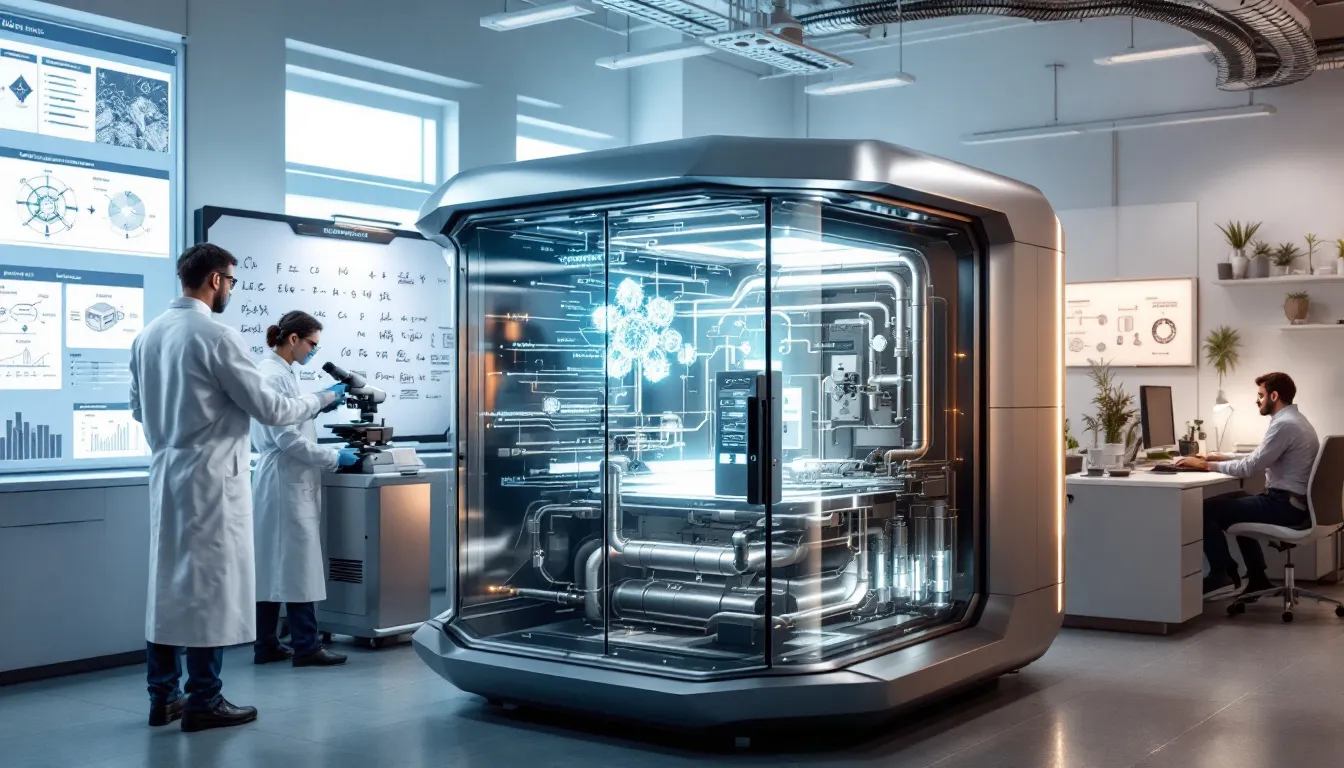
New resource recovery technologies are enabling waste management systems to extract a greater variety and volume of valuable materials from recycling streams. These processes go beyond traditional sorting and include anaerobic digestion, advanced sorting robotics, and chemical recycling.
Examples of Enhanced Recovery:
-
Anaerobic digestion of food waste and sewage sludge to produce biogas.
-
Near-infrared (NIR) and AI-based robotics to separate materials based on type and quality.
-
Advanced leaching methods for e waste recycling to recover rare earth metals.
These techniques enable the treatment of:
-
Organic waste for energy generation.
-
Plastic waste for reuse in manufacturing.
-
Electronic waste for metal recovery.
Industry Collaborations and Partnerships
No single entity can revolutionize the future of waste management alone. Industry collaborations and partnerships are essential for scaling technologies, sharing best practices, and driving innovation.
Leading Examples:
-
Closed Loop Partners – Investing in innovative recycling companies.
-
NextWave Plastics – A consortium of corporations turning ocean-bound plastic into useful products.
These partnerships:
-
Promote innovation and R&D.
-
Foster shared infrastructure.
-
Accelerate global adoption of sustainable waste management.
Learn how businesses are partnering to tackle waste at scale.
Economic Viability and Regulatory Considerations
While promising, adopting recycling innovations and waste to resource technologies can pose financial barriers. Upfront costs for recycling technology and infrastructure upgrades can be substantial.
Key Considerations:
-
Capital Investment: Equipment like plasma arc gasification reactors can cost millions.
-
Operational Costs: Ongoing maintenance, skilled labor, and monitoring systems.
-
Regulatory Compliance: Meeting environmental and safety standards, especially when handling hazardous materials.
Governments are responding with:
-
Subsidies and grants for green technologies.
-
Mandates for minimum recycled content.
-
Extended Producer Responsibility (EPR) regulations.
For example, the EU’s Green Deal targets zero waste and carbon neutrality by 2050, boosting incentives for circular practices.
Future Outlook and Emerging Trends
The recycling industry in 2025 and beyond will be driven by data, automation, and innovative solutions that turn waste materials into economic and environmental assets.
Emerging Trends:
-
AI and machine learning for dynamic sorting and quality control.
-
Blockchain for material traceability and incentive programs.
-
Waste to energy systems integrated into urban infrastructure.
The emphasis is on:
-
Creating recycled plastic indistinguishable from virgin materials.
-
Developing smarter, adaptive waste management systems.
-
Improving human health by reducing pollutants from incineration and landfilling.
By 2030, the global recycling market is projected to reach over $500 billion, driven by these advancements.
Conclusion
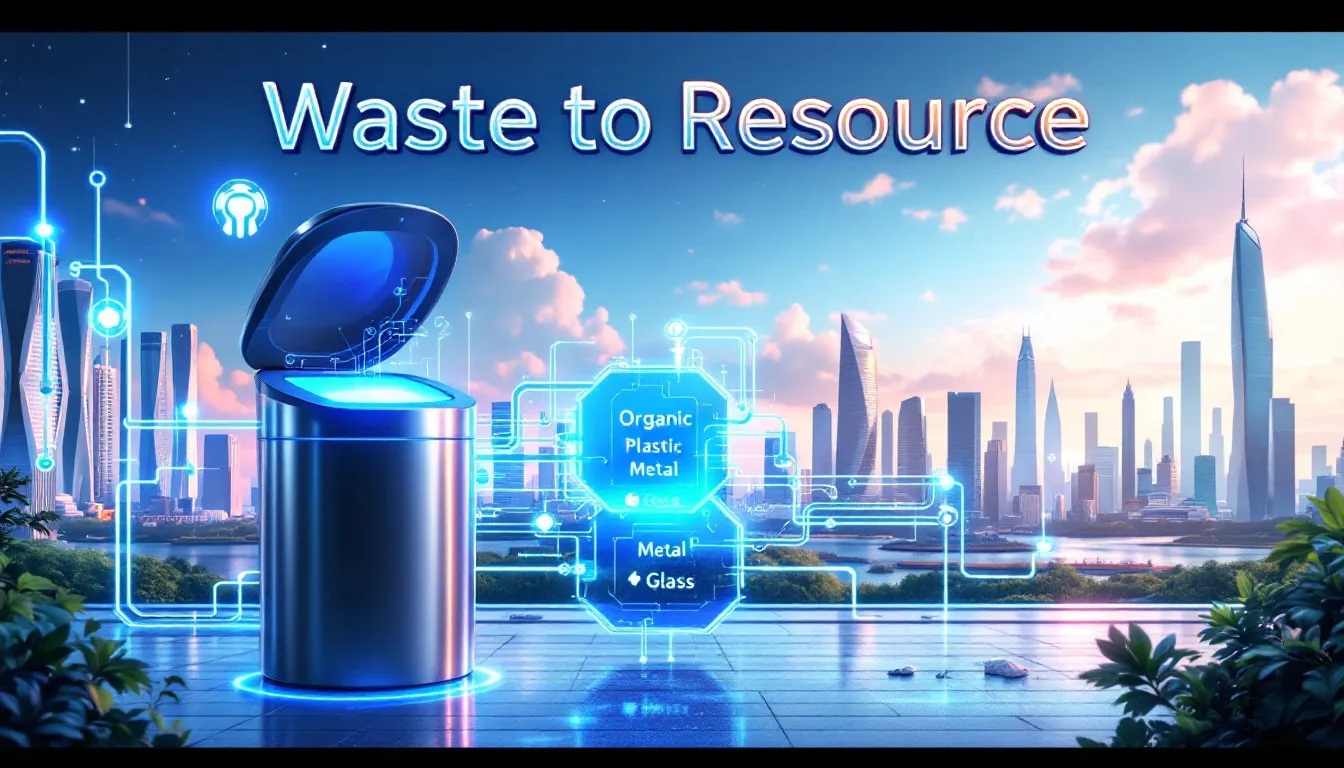
The evolution of recycling innovations and waste to resource technologies is opening up transformative possibilities for the waste management industry. From smart waste bins and chemical recycling to circular economy strategies, the path forward is clear: build a more sustainable, efficient, and resilient system to manage waste and recover value.
As we approach 2025, investing in these technologies is not just an environmental imperative but a smart business decision that aligns with global sustainability goals. The future of recycling practices lies in innovation, collaboration, and conscious design.
Related Resources
Internal Links
-
Learn more about innovative recycling solutions for plastics
-
Read our insights on circular economy implementation in urban waste management
-
Explore our guide to emerging waste to energy technologies

Your article helped me a lot, is there any more related content? Thanks!